Where risk actually
lives, and when.
Country-level risk is a blunt instrument. Almost everywhere, danger is concentrated in specific neighbourhoods, at specific hours, around specific activities — and the rest of the country is fine. These notes try to say which, rather than assigning a country a number and walking away.
Editorial notes
Written from the perspective of someone actually going, not a risk register.

Japan
Among the lowest-friction countries in the world for a solo traveller. The real risks are heat exhaustion in summer, and the fact that low crime makes people careless with bags and phones on trains.

Barcelona
Violent crime is rare; pickpocketing is not, and it is exceptionally skilled. Las Ramblas, the metro and the beach are where it concentrates. A bag that closes solves most of it.

Cape Town
Spectacular, and genuinely requires planning. Risk is sharply geographic and time-dependent. Do not walk between neighbourhoods after dark, arrange transport in advance, and ask locals rather than guessing.

Portugal
Consistently one of the safest countries in Europe. Petty theft in Lisbon and Porto tourist areas is the whole story. Trams 28 and 15 are where wallets go.
Mexico City
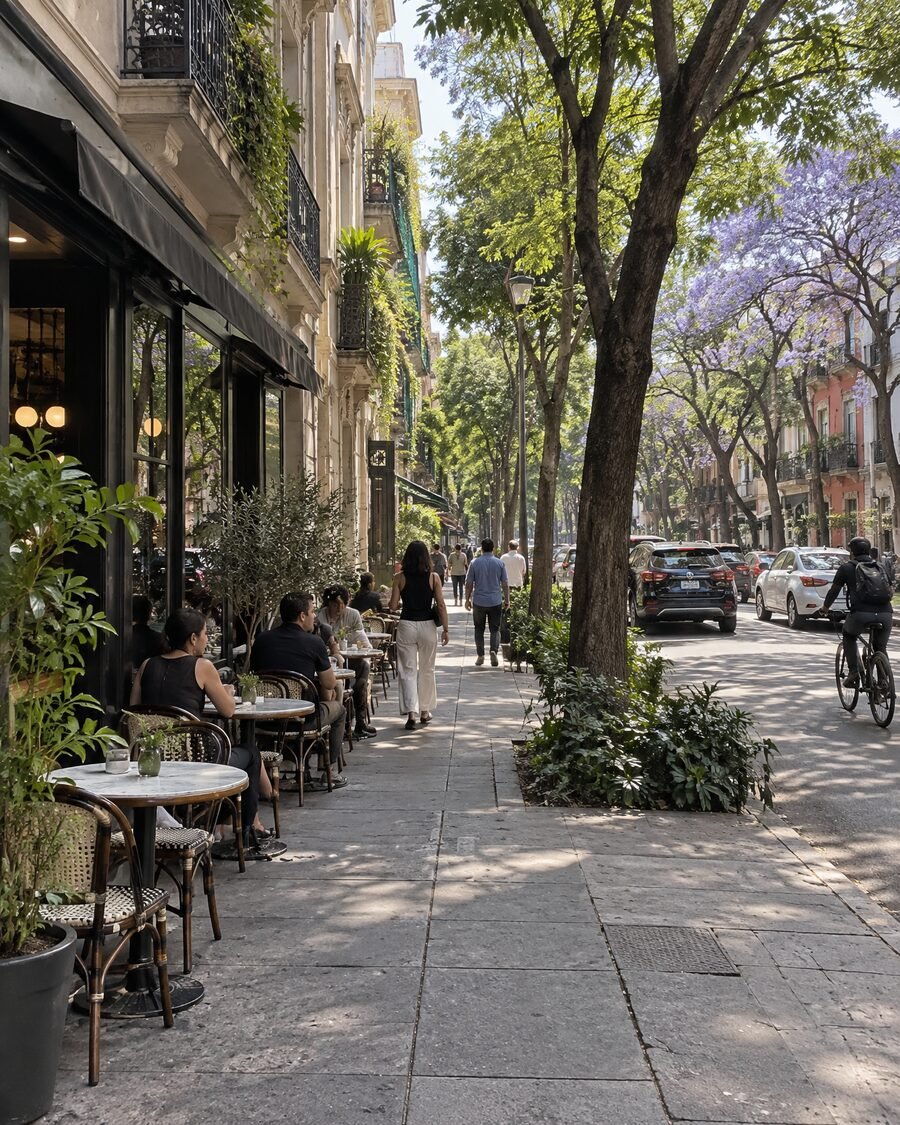
Six Mexican states are Level 4, Do Not Travel. Mexico City is Level 2, and the State Department imposes no movement restrictions on its own staff here. What you manage in Roma, Condesa, Polanco and the Centro is crowd theft, phone snatching and one rule: never flag a taxi.
Colombia
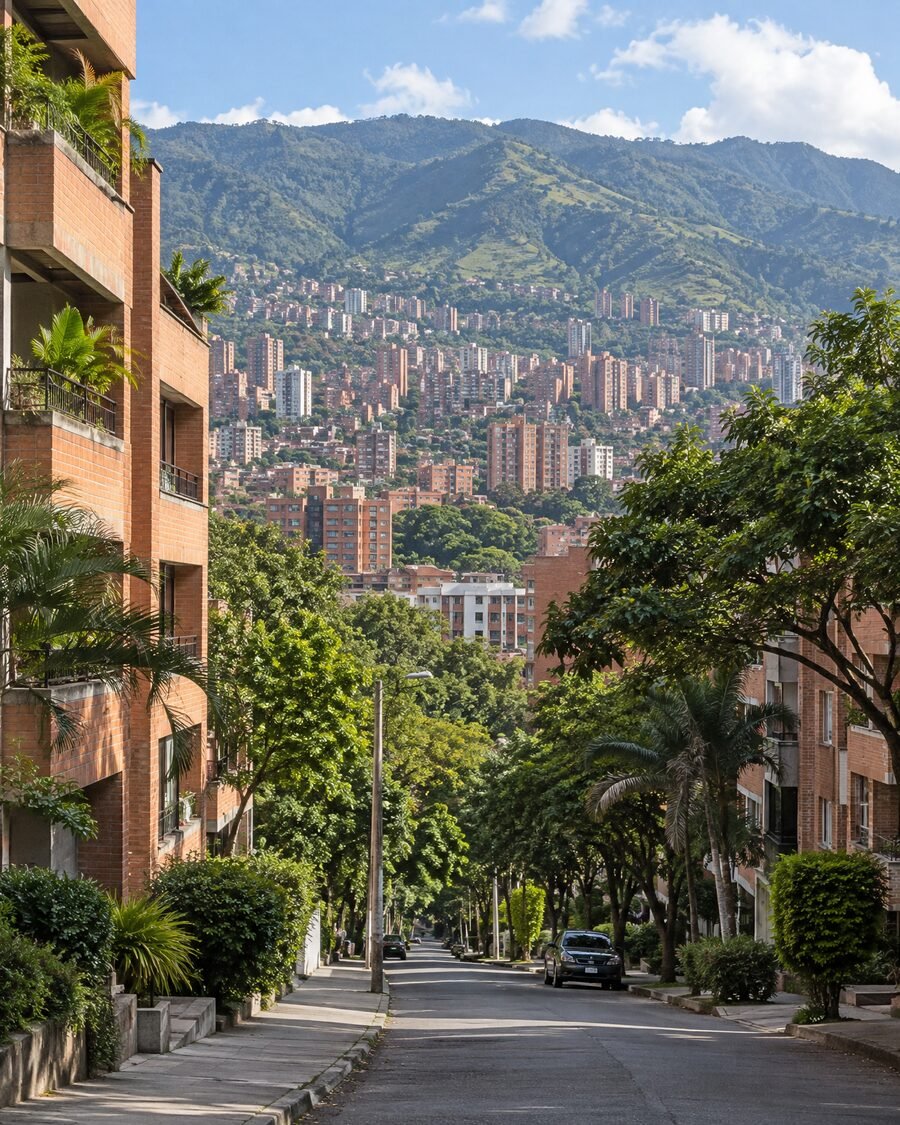
Level 3 nationally, Level 4 in four departments that hold none of the places you are going. Medellín’s murder rate is 9.85 per 100,000 against Bogotá’s 14.8 — but El Poblado, with zero homicides this year, is where visitors get robbed.
Thailand
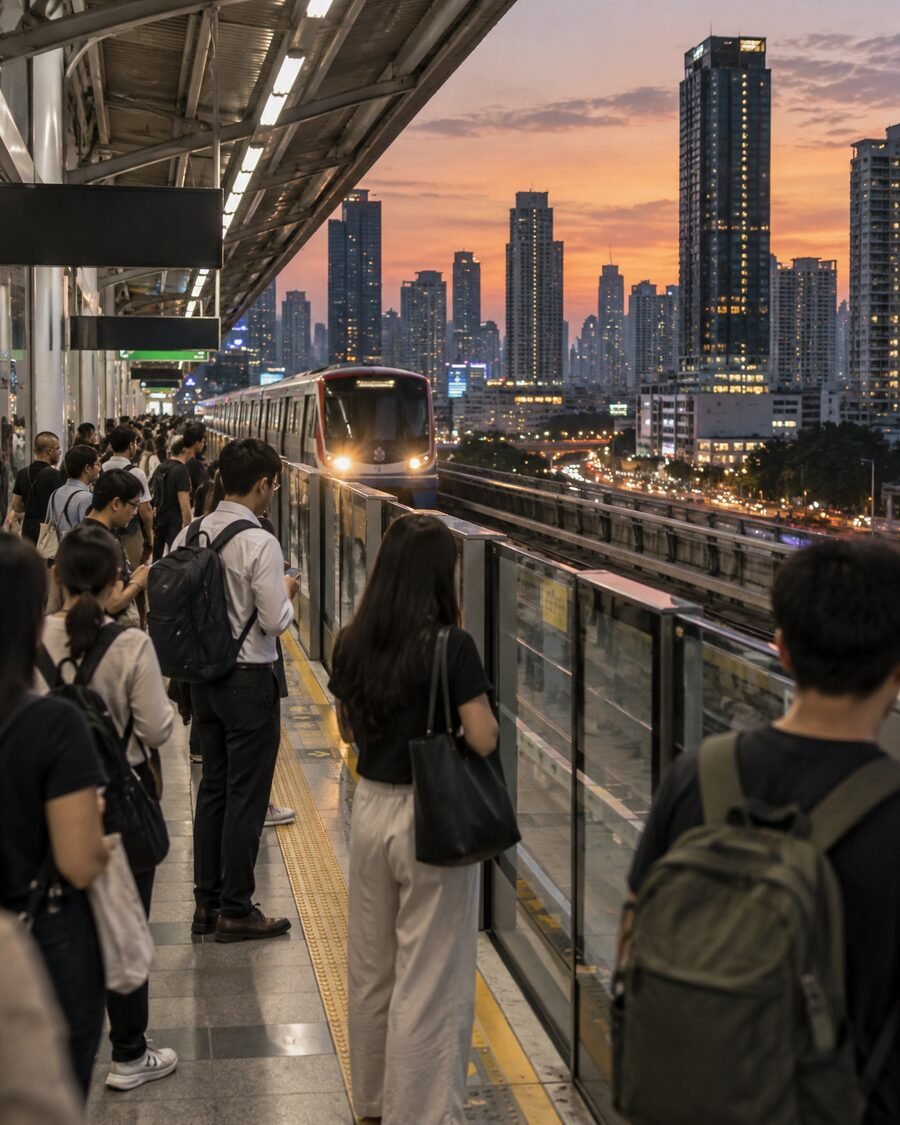
Level 1 nationally, the same category as most of Western Europe — the exceptions are a Cambodian border strip and three southern provinces nowhere near Bangkok, Phuket or Chiang Mai. The real hazard is the scooter: 84% of Thailand's road deaths are motorcyclists, and most tourist rentals are unregistered and licence-unchecked.
Morocco
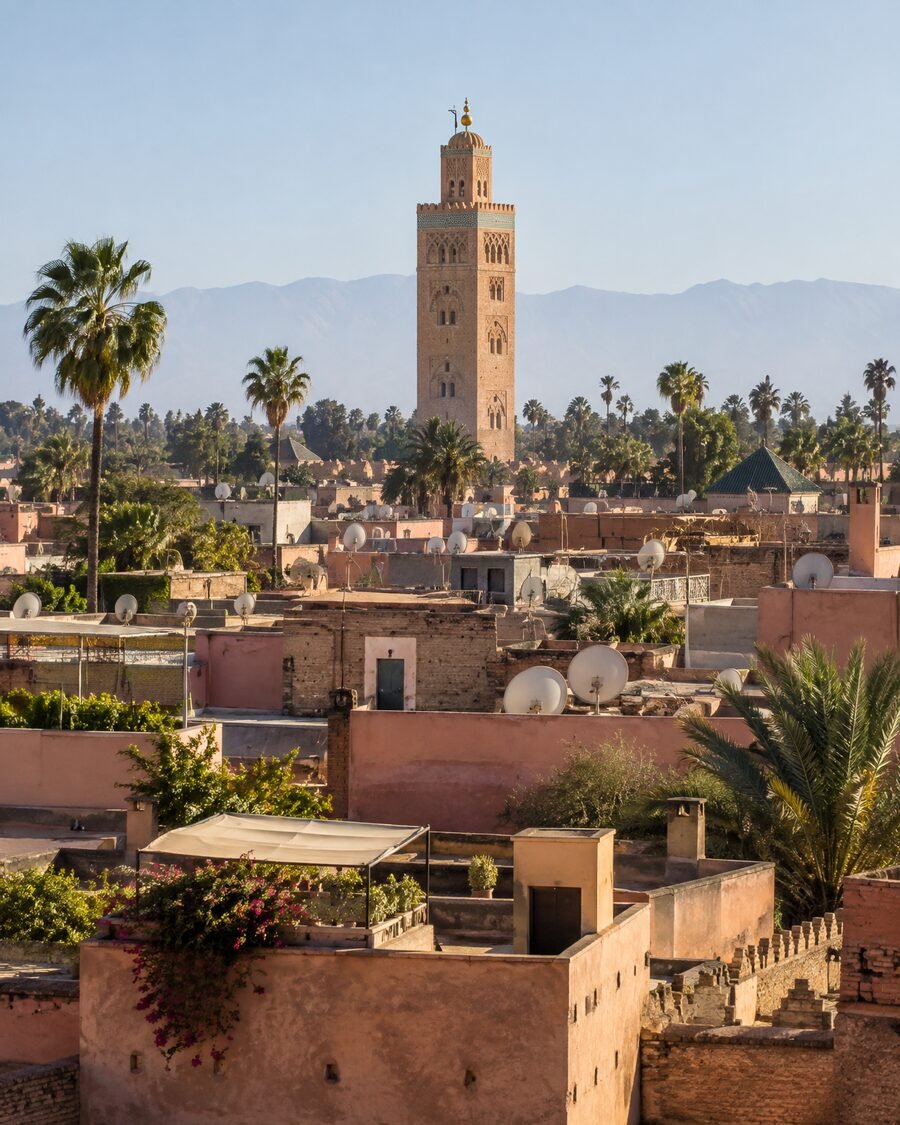
Level 2 for terrorism risk, the same tier as France and Italy — not a reason to avoid Marrakech or Fes. The medina's real pattern is the faux guide: someone says the street ahead is closed, offers a shortcut, and ends at a commission shop. Ask for the badge before you follow anyone.
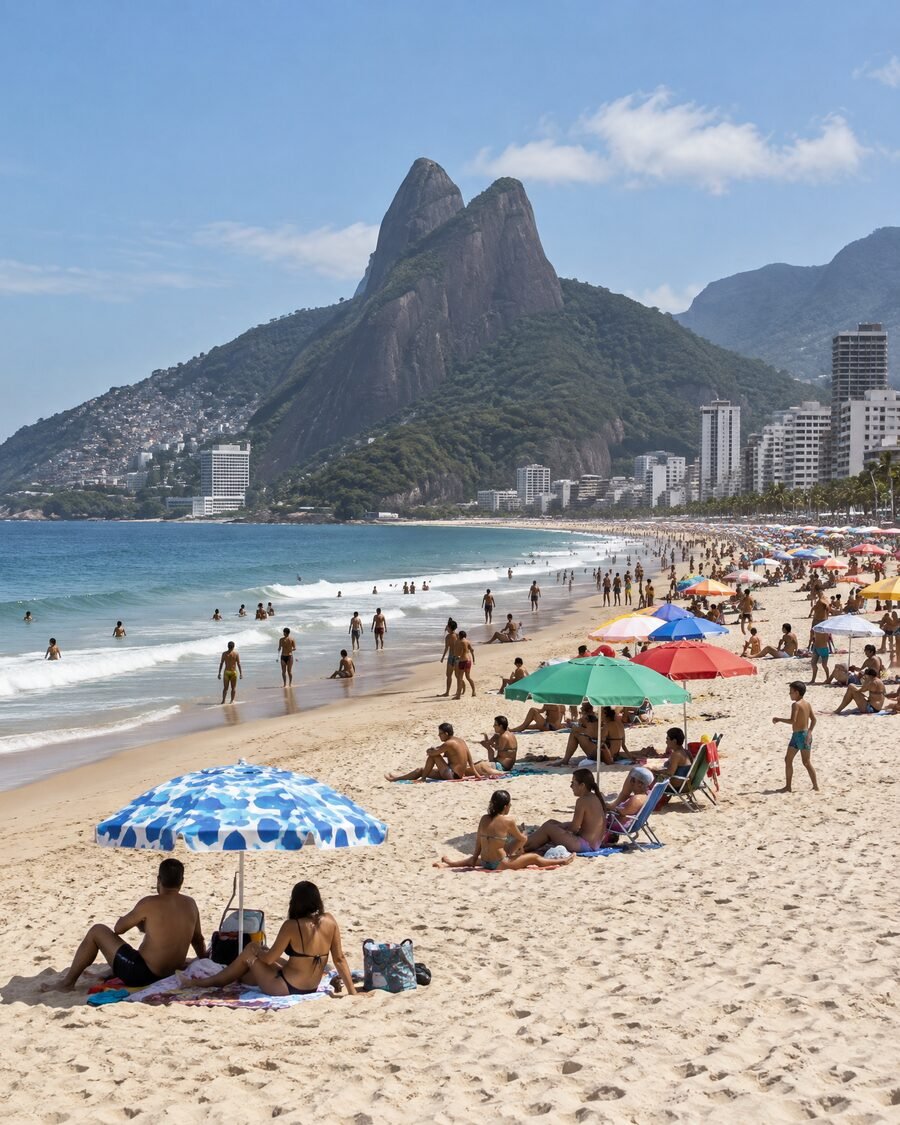
Brazil
Rio and São Paulo post very different numbers under one national advisory. Ipanema and Leblon recorded zero homicides in Q1 2026 per Rio's own ISP-RJ data; São Paulo state posts Brazil's lowest homicide rate. The real everyday risk is a phone taken between 4 and 9pm and a rideshare that isn't the one the app matched.
Live advisory index
Every country with a current US State Department travel advisory, pulled live from the official feed. Levels change without notice — click any country to read the full advisory on travel.state.gov, which is the only version that counts.