The medina isn’t lost on you.
Someone’s counting on it.
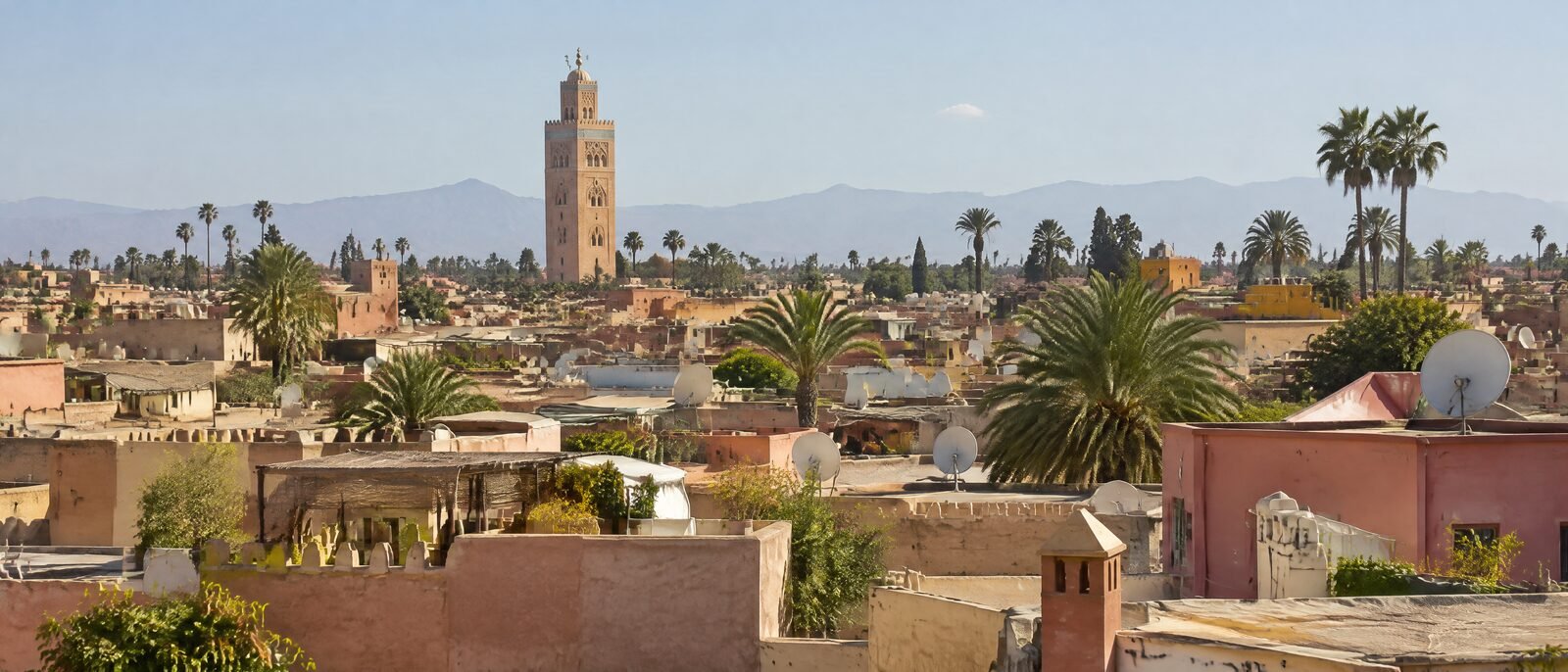
Morocco sits at Level 2 with the US State Department — the same category as France or Italy — issued for terrorism risk that is real but diffuse, not a reason to avoid Marrakech or Fes. What actually meets a visitor is smaller and more specific: someone near Jemaa el-Fnaa or Bab Boujloud telling you a street is closed, a badge worth checking before you follow anyone, and unwanted attention that both governments name plainly rather than gloss over. None of it requires cancelling. It requires knowing which street they mean.
The advisory, in plain words
Both governments call it terrorism risk, not street crime, and both put it in the same tier as most of Western Europe.
US — Level 2, exercise increased caution
4 Sep 2026Reissued 4 September 2026 — no change in level, an updated summary. The reason given is terrorism: groups continue plotting possible attacks that could land with little or no warning at transportation hubs, shopping malls, markets and souks, government buildings, clubs, restaurants and hotels. Moroccan security services are described as strong, with ongoing arrests of people allegedly linked to plots against US, foreign or Moroccan government targets — but lone-wolf attacks are called hard to detect regardless of that. Level 2 is the same category the US assigns France, Italy and the UK.
UK — FCDO, and it names the medina specifically
19 Aug 2026Last updated 19 August 2026, current as of 10 September 2026. The FCDO's own words: "criminals have used knives against tourists in street attacks, thefts and burglaries in major cities and along beaches," and petty crime — pickpocketing, bag-snatching — happens "especially in historical districts (medina quarters)." Separately: "it is common for people posing as official tourist guides to harass tourists." And on women travelling: "women may receive unwanted attention in Morocco, especially when travelling alone."
What actually happens
A closed street that isn’t, a badge worth checking, and a swap at the point of sale.
The faux guide, and the "street is closed" opener
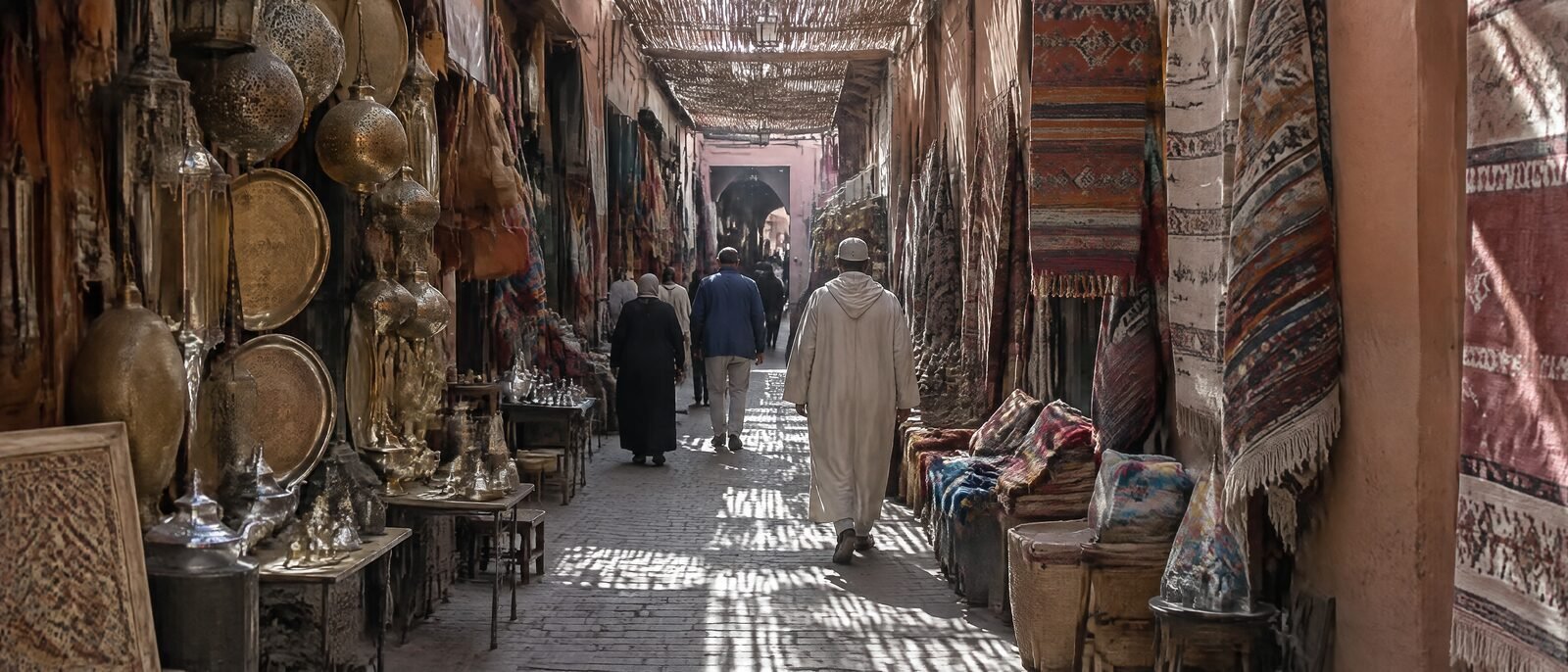
Check the badgeThe FCDO names the pattern directly: people posing as official guides who harass tourists, and its fix is to check for "an official badge and permission from the local authority" before engaging one. The specific mechanics, widely and consistently described across Morocco travel-safety sources rather than any single government report: near Jemaa el-Fnaa in Marrakech or Bab Boujloud in Fes, someone tells you a street ahead is closed, or offers a "shortcut," walks with you for twenty or thirty minutes, and ends at a shop where you're pressured to buy while the guide and shop owner split the commission. The street was never closed.
Credit card fraud and the substituted goods
Check before you leave the stallThe FCDO: "credit card fraud and scams are common. Beware of scammers substituting inferior goods for the ones you bought." In practice this is a point-of-sale or delivery swap — the leather jacket, the rug, or the argan oil you inspected and agreed to buy isn't quite what arrives in the bag or gets shipped.
Knives, street attacks, and where they cluster
Named cities and beachesThe FCDO's own line is direct and not softened: "criminals have used knives against tourists in street attacks, thefts and burglaries in major cities and along beaches." It doesn't name specific streets beyond that, and neither will we — where the model page can point at a named highway or a named cable-car route, the primary sources here give a category (major cities, beaches) rather than a corner. Stated plainly rather than invented.
Drinks: the standing warning, and one dated incident
Nov 2025The FCDO carries a standing line: "there have been deaths and cases of serious illness caused by alcoholic drinks containing methanol in Morocco. Even small amounts of methanol can kill." Morocco was added to the UK's expanded methanol-poisoning advisory list in November 2025, alongside ten other countries. One dated, named incident sits behind the general warning: in Sidi Allal Tazi, a town roughly 260 miles from Marrakech, homemade bootleg liquor killed eight people and hospitalised more than a hundred between 3 and 5 June 2024, according to Morocco's regional health directorate. That was homemade liquor in a small town, not a resort bar — stated as what it was, not stretched into a Marrakech nightlife warning it wasn't.
Where you’ll be
Marrakech, Fes, Chefchaouen and Casablanca are four different medinas, not one city repeated.
Marrakech medina and Jemaa el-Fnaa
Highest hassle densityThe square itself is busy, patrolled and safe to walk in daylight and early evening; it's also where the faux-guide approach happens most, precisely because of the foot traffic. The alleys radiating off it are where "shortcut" offers turn into shop detours. If you get turned around, the medina is walled and finite — pick one direction and keep to it, or step into an open shop and ask, rather than accepting help from someone who offered it unprompted.
Fes medina and Bab Boujloud
The maze is realFes el-Bali is one of the largest car-free urban zones anywhere, and its layout is genuinely disorienting — that's not a scam, it's the design. The scam sits on top of it: someone at Bab Boujloud offering to guide you through for a fee, or the same "shortcut" pattern as Marrakech. A licensed guide booked through your riad removes the ambiguity entirely and is worth the cost for a first visit.
Chefchaouen
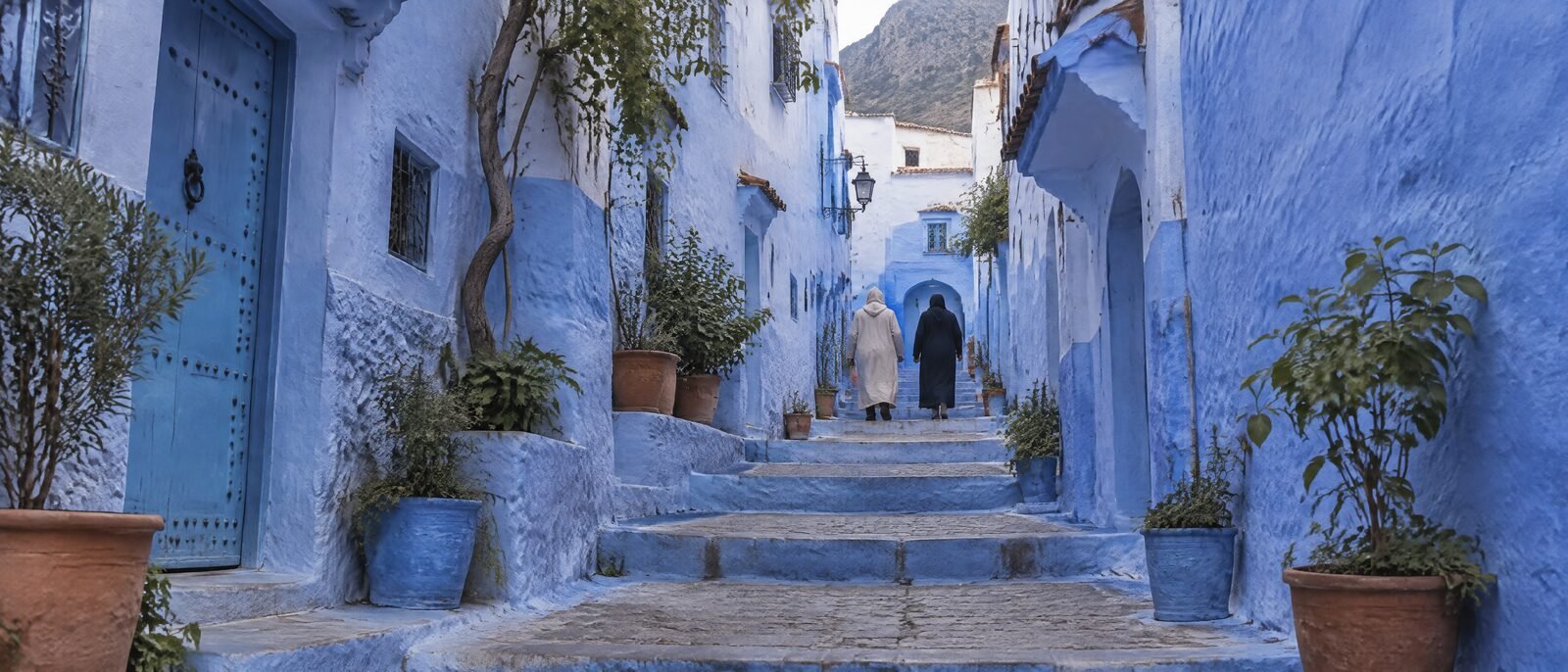
Consistently the calmest medinaThe blue-painted old town is smaller, hillier, and consistently described as the least aggressive medina in the country for hassle and scams — the same faux-guide and shop-commission economy exists everywhere in Morocco, but it's reported as markedly lower-pressure here than in Marrakech or Fes. No official source ranks this specifically; it's a broad, consistent pattern across independent accounts, not a government finding.
Casablanca and the coast
Modern city, same national rulesCasablanca is a modern, largely grid-planned commercial city rather than a walled medina, and functions more like a large European city on foot. The FCDO's "major cities and beaches" knife-crime line and the standing methanol warning apply here as much as anywhere else in the country; there's no medina-specific hassle economy to navigate in the same way.
Widely believed and wrong
One myth undersells the hassle, one oversells the danger, and one erases a real, plainly stated warning.
“It's Level 2, so it's genuinely risky”
Level 2 is the same category the US State Department gives France, Italy and the UK. The reason cited for Morocco is diffuse terrorism risk with strong local security services actively disrupting plots, not a specific, elevated street-crime picture. It is a real classification, not a reason to treat Morocco as more dangerous than the European cities that share the same level.
“The faux guides are just friendly locals”
The FCDO states plainly that people posing as official guides to harass tourists is common enough to warrant its own line in the national advisory. The fix is specific and checkable: ask to see the official badge before you accept help you didn't ask for. This isn't cynicism about Moroccan hospitality — it's a named pattern with a named solution.
“Solo women travellers have nothing specific to plan for”
Both this site and the FCDO would rather say this plainly than avoid it: "women may receive unwanted attention in Morocco, especially when travelling alone," and independent accounts consistently describe this as persistent verbal hassle rather than a heightened violent-crime risk. Loose-fitting clothing covering arms, legs and chest is the FCDO's own stated recommendation, and Chefchaouen is consistently reported as the least intense of the medinas for this specifically.
If something happens
Two sources disagree on the ambulance number. Save both.
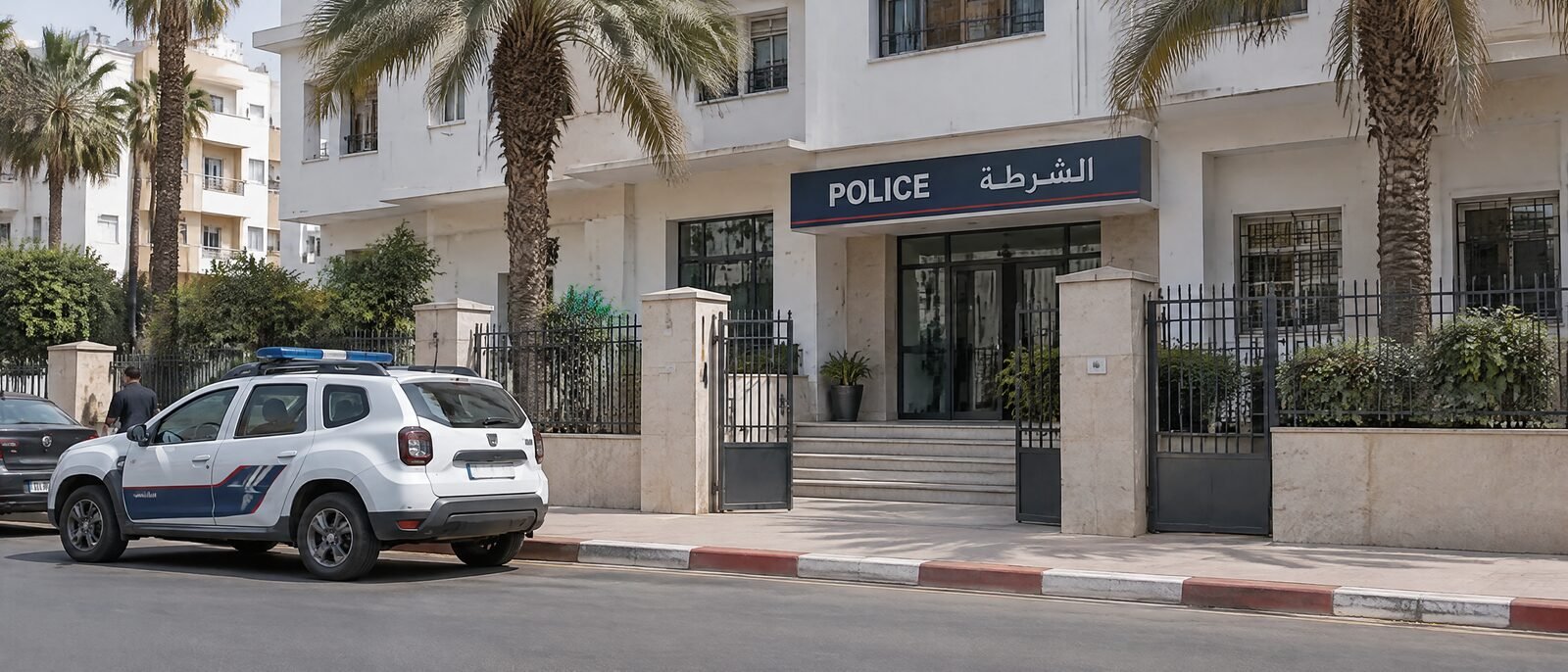
Emergency numbers
Police 19 · Fire/ambulance 1519 is the police emergency number in Moroccan cities; 177 reaches the Gendarmerie Royale outside urban areas and on highways; 15 is the combined fire and ambulance line. 112 is widely reported to connect from a mobile handset to emergency services generally, consistent with how GSM networks typically handle that number, though we could not independently confirm it against a Moroccan government source.
US Embassy Rabat and consular help
After-hours: +212 537 63 72 00The US Embassy in Rabat's after-hours line for American citizens in an emergency is +212-537-63-72-00 (05-37-63-72-00 dialling within Morocco). The State Department's global after-hours line is +1-202-501-4444 from abroad, or +1-888-407-4747 from the US or Canada. For a lost passport, a serious crime, or an arrest, this is the number that gets you a person rather than a form.
Health and environment
Food and water hygiene, private clinics, and the badge rule applied to more than guides.
Hospitals and hygiene
Private clinics, higher standardThe FCDO: "travellers to Morocco should follow good food and water hygiene to reduce the risk of stomach bugs," and on care quality, "private clinics are available and operate to a higher standard" than public facilities, which offer more limited care. Allergen labelling is inconsistent, and the FCDO flags that contamination risk for allergy sufferers may exceed UK levels.
Rabies and animal contact
Any bite, immediate careThe FCDO's August 2026 update added new information on rabies to its Morocco health page. Standard practice applies: avoid handling street cats, dogs or monkeys (notably the macaques at some tourist sites), and treat any bite or scratch as needing immediate medical attention rather than waiting to see whether symptoms develop.
Go anywhere. Come back.
Morocco's real risk list is short: know the badge, doubt the "closed street," and carry insurance that gets you into a private clinic. Advisories change without notice — check what has moved, then run the pre-trip list once.