Your worst case
is losing a phone.
Barcelona has one of the highest concentrations of professional property crime in Europe and one of the lowest homicide rates. Both are true, and holding them together is the whole skill. Crime here is also falling fast — faster than most of what you will read online, which predates the numbers on this page.
The advisory, in plain words
Level 2 for terrorism and unrest — not for the thing that will actually happen to you.
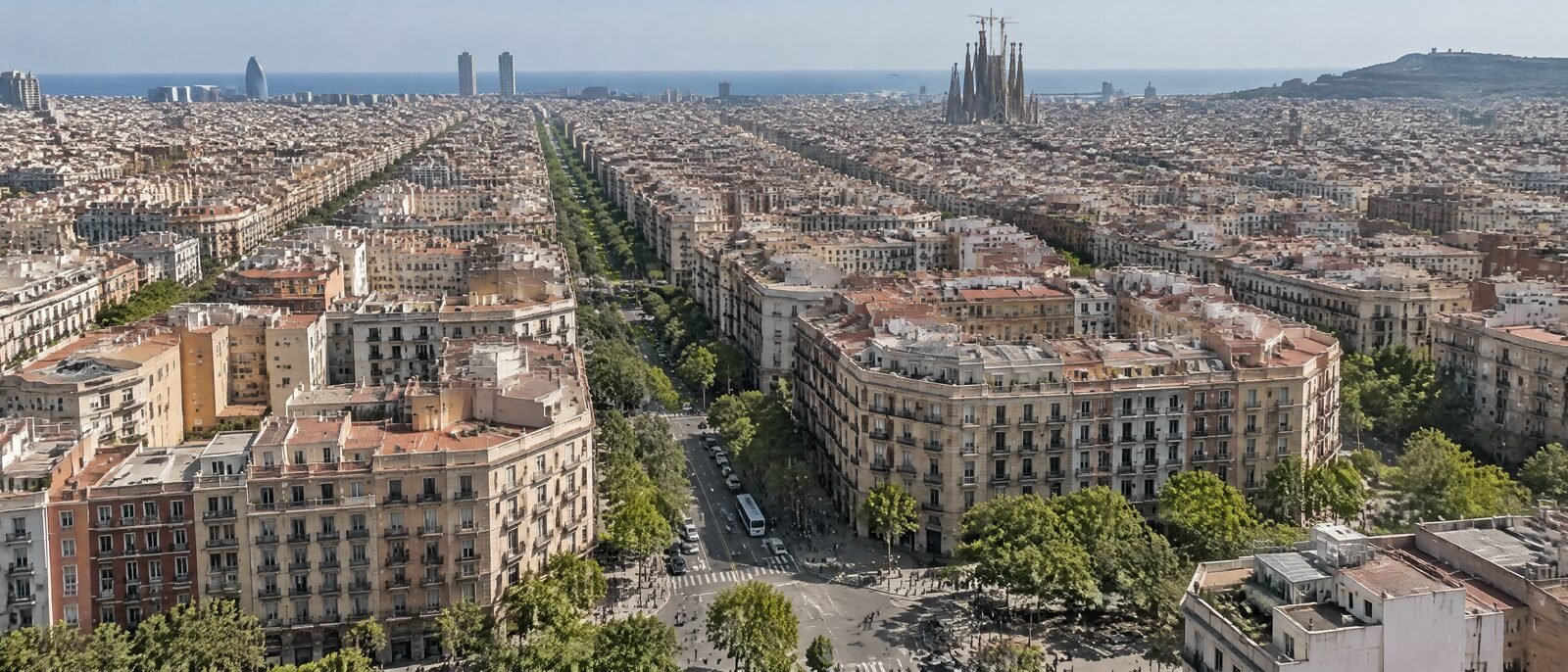
US — Level 2, exercise increased caution
1 Aug 2026Risk indicators: Terrorism and Unrest. The 1 August 2026 update changed neither the level nor the indicators — the substantive move that cycle was raising Ceuta, in North Africa, to Level 3. The advisory notes demonstrations are common and that terrorist groups continue plotting possible attacks on tourist locations, transport hubs and hotels.
UK — FCDO, and a notable silence
11 Aug 2026The FCDO Spain page carries no Barcelona-specific street-crime paragraph at all; its language is national and generic. It is useful on one play: thieves posing as police officers may ask to see your wallet, claiming they need it for identification. Genuine officers ask to see your ID, not your wallet or purse, and all officers including plain-clothes carry official ID.
What actually happens
In H1 2026, theft without force alone was 47.2% of the city’s entire criminality.
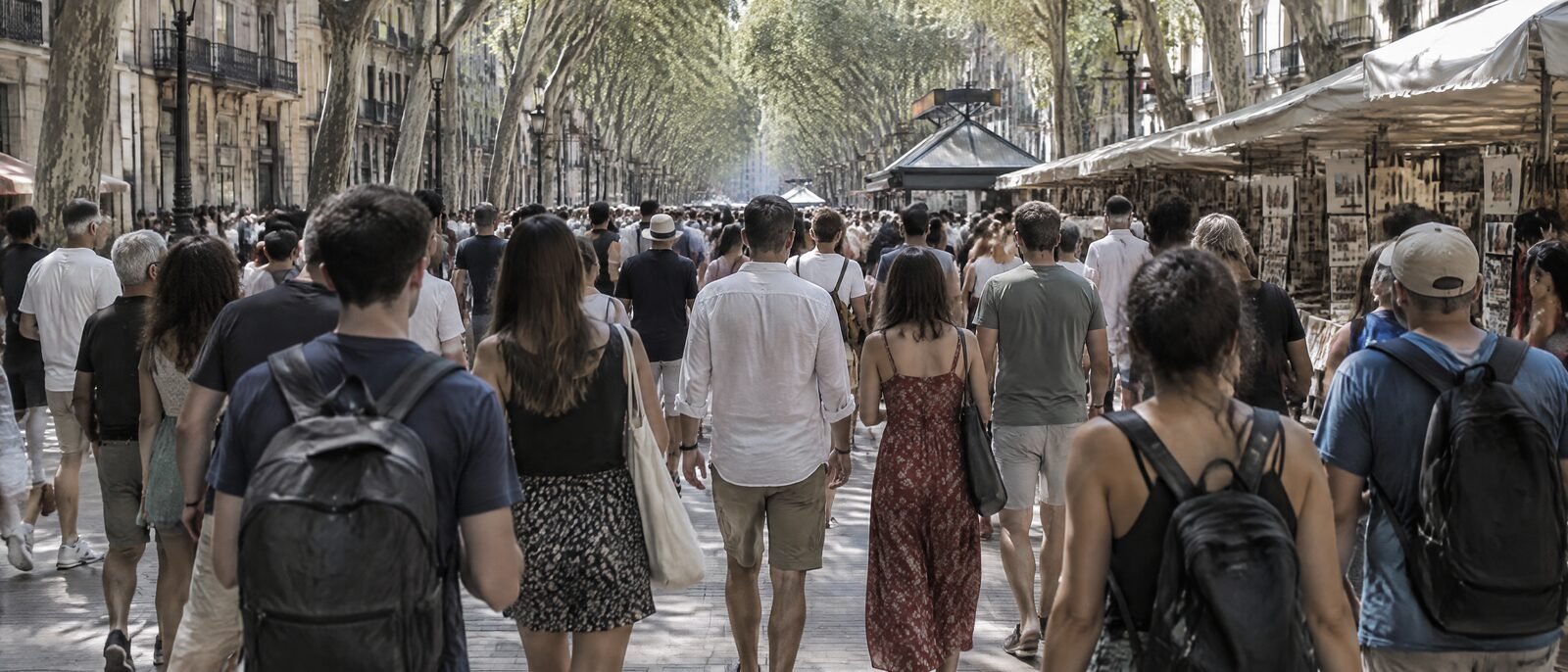

Las Ramblas, stationary and daily
Catalunya–LiceuThe trile — the shell game — runs on the wide stretches between Plaça de Catalunya and the Liceu, and the City has hung banners along the Rambla saying, in effect, that it is not a game. Every apparent winner is part of the crew. The flower woman presses a carnation or rosemary sprig into your hand then demands payment. The “found ring” and the bird-mess cleanup are both long-documented here.
The metro, and specifically L3
Metro L3Mossos estimate around a hundred pickpockets working the metro on any given day, and police deployment concentrates on L1, L3 and L5. L3 strings together Liceu, Drassanes, Passeig de Gràcia and Sagrada Família — the tourist corridor. Named station hotspots: Plaça Catalunya, Diagonal, Sants Estació, Sagrada Família, Barceloneta.
Snatching, and the rare violent one
Let it goThe phone is the most-stolen object in Barcelona, roughly 40% of thefts; gold chains are second at 21%, and 73% go by the tirón — the snatch. The moped variant is real. Separately, the mataleón is a rear chokehold used to rob; in a widely circulated 2023 case it was applied to a tourist on Carrer dels Banys Nous in the Gothic Quarter.
The beach, and the chair-back
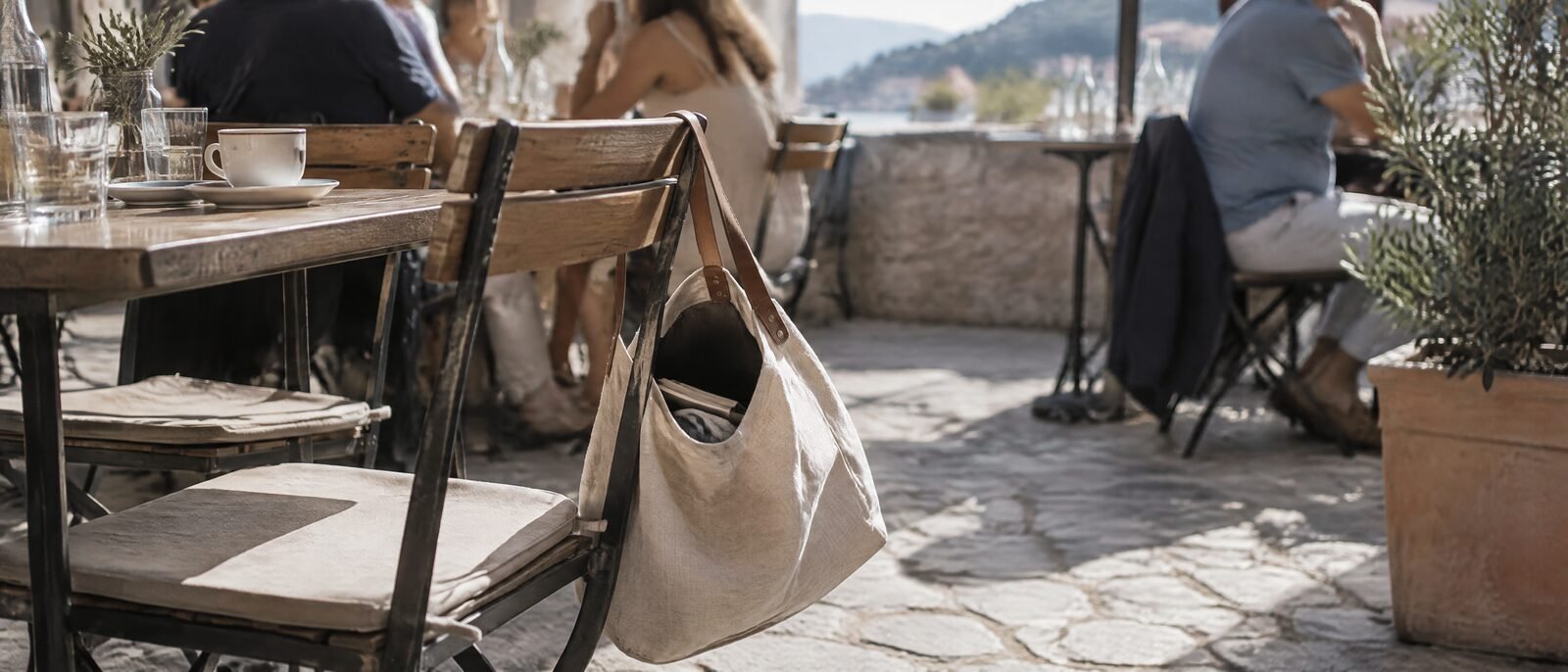
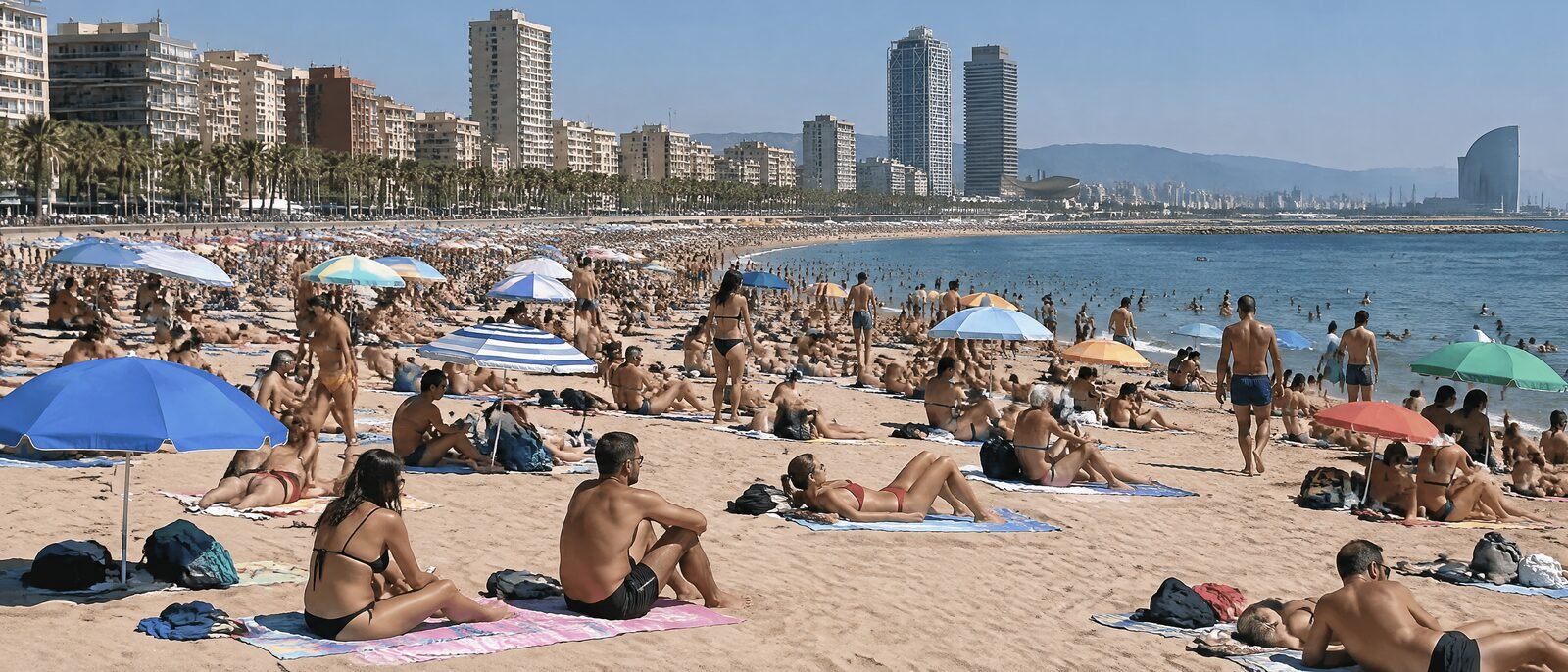
Towel levelAt Barceloneta thieves work in pairs on sunbathers who swim or doze. The Guàrdia Urbana’s Beach Unit — about a hundred officers through late September — hands victims a “kit del hurto”: a t-shirt, sandals, trousers and a transport card, because people are routinely left with nothing. On terraces, both the State Department and the FCDO give the same instruction: never leave bags on chairs, counters or unattended.
Cloned ticket sites — the newest one
Buy directMossos and the Catalan cybersecurity agency have flagged a scam using AI to clone the official ticket sites for the Sagrada Família and Montserrat. Named lookalikes include sagradafamilia-tickets.org and sagradafamiliatickets.org; some take the money and send nothing, others resell at around €39.99 against a €26 official price. Booking fraud is up sharply too — a 70% year-on-year rise into summer 2026, with cloned listings, deposits demanded by Bizum and flats that do not exist.
Where you’ll be
Fair descriptions, including of the neighbourhood that gets written off unfairly.
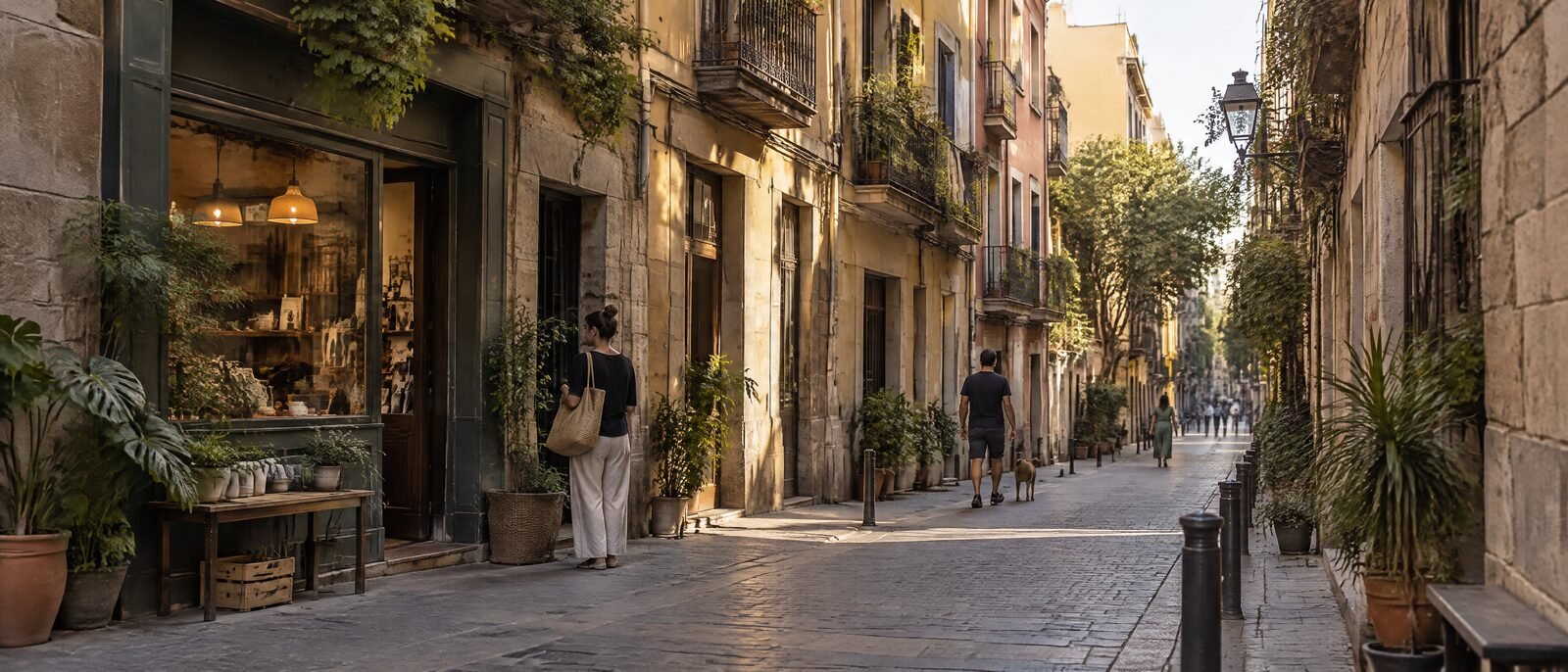
Eixample, Gràcia, Poblenou, Sant Antoni
Low frictionResidential, well-lit, wide streets, and the easiest bases. Passeig de Gràcia is nonetheless a named pickpocket corridor and Diagonal a metro hotspot, so the shopping street is not the side streets. Poble Sec is largely pleasant around Carrer Blai, with rougher edges towards Paral·lel late.
Gothic Quarter, El Born, lower Ramblas
After darkDense, medieval and busy at night. The narrow lanes off Carrer Ferran and around Banys Nous are where the isolated violent robbery has happened — walk the wider street, rather than avoid the quarter. The bottom of Las Ramblas, at the Drassanes and Colom end, is emptier and more predatory late than the top. The Mossos’ 24-hour Ciutat Vella station is at Carrer Nou de la Rambla 76–80.
El Raval, honestly
Eat thereA real neighbourhood — families, the MACBA, the back of the Boqueria, some of the best cheap food in the city. Not a no-go zone. It is also where the narcopiso problem concentrates; residents relaunched their campaign in September 2025 describing broken locks, constant buyer traffic and weapons. The part that changes character after dark is lower Raval: Carrer de Sant Pau, Carrer Nou de la Rambla and Rambla del Raval.
Getting around
The network is safe and getting safer. The airport ticket is what catches people.
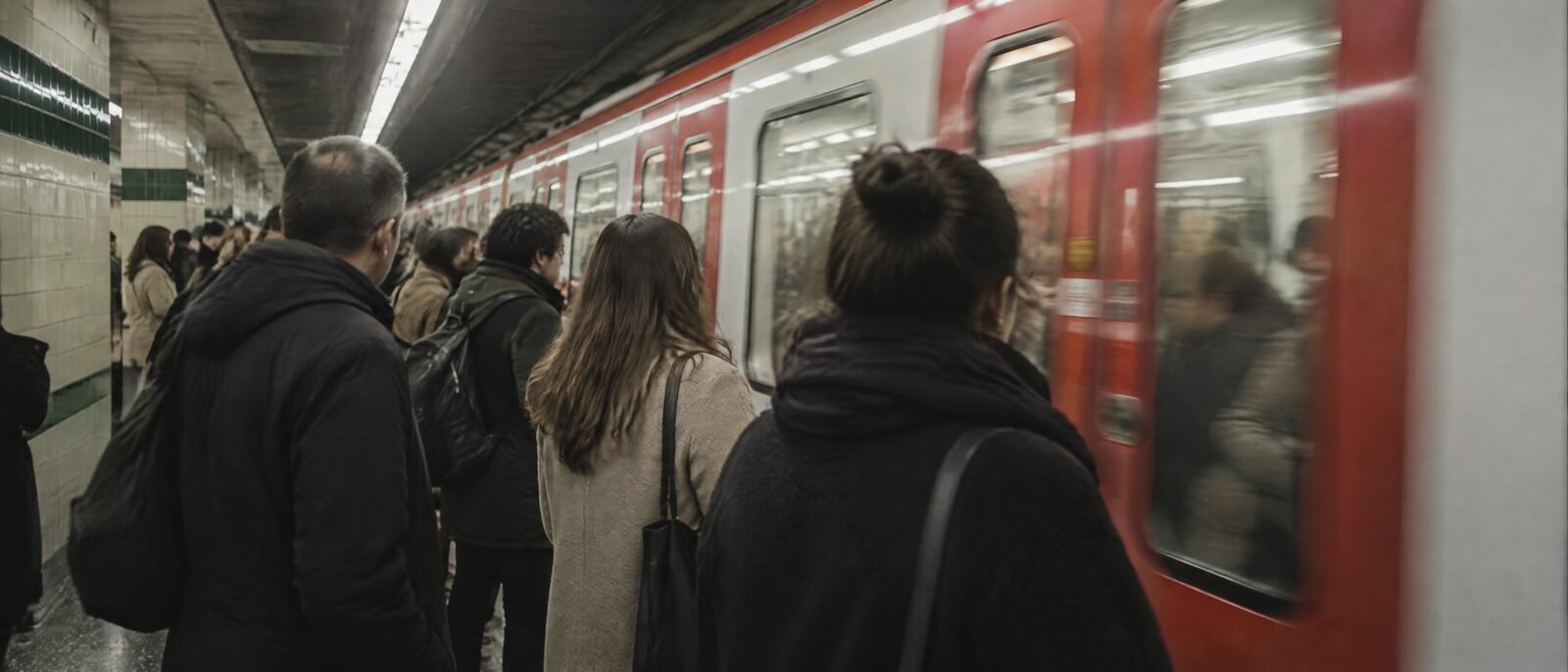
The airport ticket trap
L9 SudThe T-casual does not cover the airport metro stations. TMB sells a separate, non-integrated Airport ticket for L9 Sud between the terminals and the rest of the network; without it you cannot clear the barriers at T1 or T2. The single airport fare is reported at €5.90; a T-casual is €13.00 in 2026. The Aerobús is a separate premium service on which T-casual and Hola Barcelona are not valid — €7.45 single, €12.85 return since 1 March 2026.
Taxis, pirate taxis and the apps
Black and yellowLicensed taxis are black and yellow, metered, and queue at official ranks outside both terminals; passengers caught using unlicensed services are liable for fines up to €600. A December 2025 operation at El Prat identified eleven drivers, five of them pirate taxis. Free Now and Cabify work, but Uber’s position is unstable: in March 2026 the Catalan Parliament approved the first stage of a bill to phase out Uber, Cabify and Bolt, targeted to bite by the end of 2026.
The metro is safe, and improving measurably
NitBus 22:00–06:00Under Pla Kanpai — Mossos, Guàrdia Urbana and TMB together, extended from metro to buses in January 2026 — crime on the metro and Rodalies fell 38% and on buses 39.6% between January and May 2026 against 2025. Three organised metro pickpocket networks were dismantled, with 23 arrests. Night buses run roughly 22:00 to 06:00, and every NitBus line except N0 stops at Plaça de Catalunya.
Widely believed and wrong
Three beliefs that produce bad decisions in both directions.
“Barcelona is dangerous”
Spain’s intentional homicide rate is roughly 0.69–0.72 per 100,000, among the lowest in Europe. Barcelona recorded nine homicides in the first half of 2026, in a city of 1.6 million, three of them linked to organised crime. That was up from five in H1 2025 — a drug-market phenomenon, not a tourist-facing one. Your realistic worst case is losing a phone and a wallet, not being hurt.
“Pickpockets only target the careless”
They target the distracted, and they manufacture the distraction. Mossos have dismantled structured criminal networks that treated the metro as a workplace. Vigilance is a losing strategy against a three-person team whose whole job is to spend your attention. The fix is structural: front pockets only, cross-body under a jacket, one card and small cash in a day wallet, phone off the table and out of your hand at kerbs, nothing on the chair-back.
“The anti-tourism protests are a safety risk”
Largely not. The 2024 and 2025 water-pistol demonstrations were about housing — local authorities put the decade’s housing-cost rise at 68% — and involved squirt guns, smoke bombs and stickers. Bystanders got wet; reporting found no physical harm. Standard advice on any demonstration still applies: if there are signs of disorder, move away.
If something happens
Where to go, what a report is actually for, and the consulate numbers.
Emergency numbers and the tourist desk
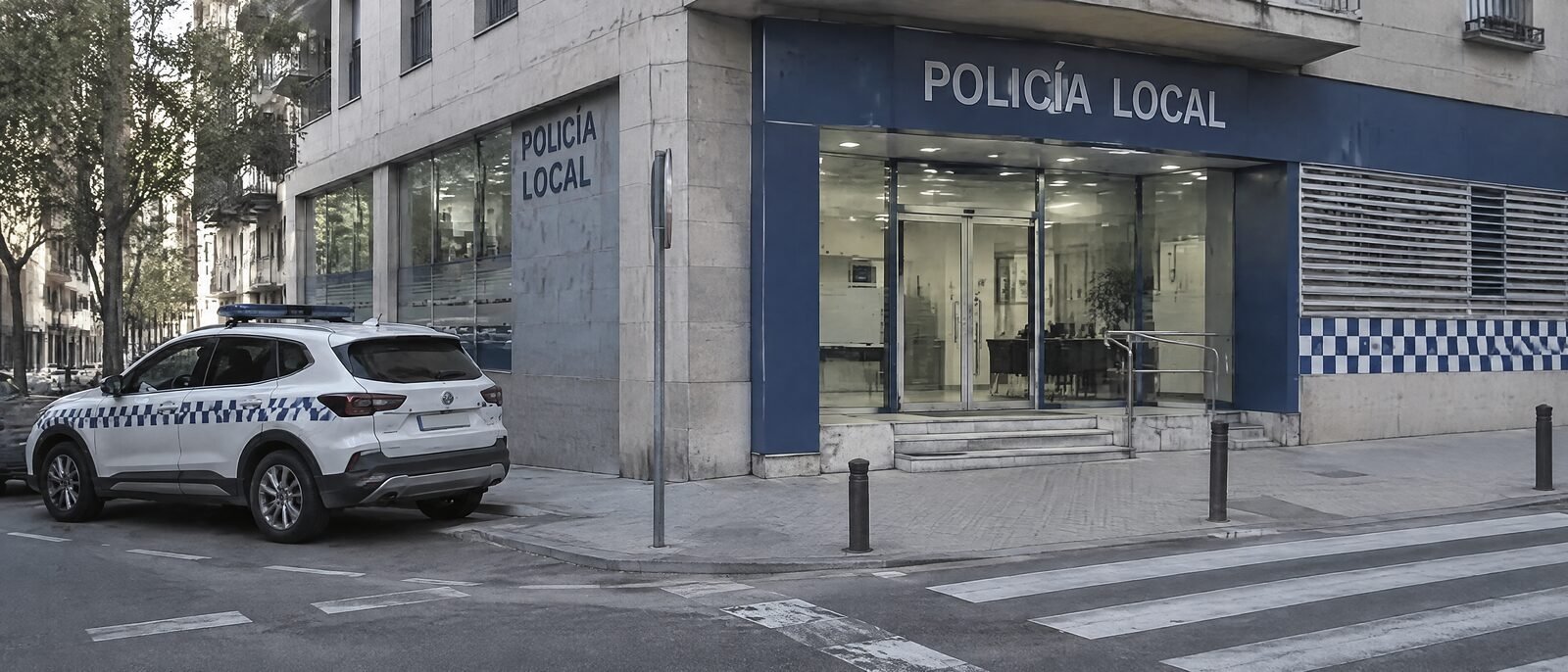
112 first112 is the general emergency number, EU-wide, free and multilingual, and it is what the Mossos themselves tell you to call. If you need a specific force: 088 Mossos d’Esquadra, 091 Policía Nacional, 092 Guàrdia Urbana, 061 ambulance, 080 or 085 fire.
Filing the denuncia, and the consulate
72 hoursMossos accept online reports for petty theft, burglaries and car break-ins — but not if the crime was violent, and not if you saw or can identify the perpetrator. If you file online you must sign it at a station within 72 hours; stations are open 24/7/365. Take ID and a specific list: serial numbers, IMEI, receipts, photos. The US Consulate General is at Passeig Reina Elisenda de Montcada 23, 08034 Barcelona, covering Catalonia, Aragón and Andorra. Main line +34 91 123 8866; emergency after-hours +34 93 280 2227; Embassy Madrid after-hours +34 91 587 2200.
Health and environment
Heat is the real hazard. The drought advice you have read is out of date.
Heat, and both kinds of water
14:00–18:00Barcelona broke its all-time temperature record at around 40.5–41°C on 8 July 2026, followed by a fourth heatwave in late July with orange alerts and 42°C inland. Check AEMET warnings and put your indoor hours between 14:00 and 18:00 in July and August. Tap water meets drinking-water standards under the Catalan Water Agency’s supervision; it tastes of chlorine, which is a taste issue, not a safety one.
Beaches, pharmacies, insurance
Read the flagGreen means swim. Yellow means caution — and in Barcelona that is the flag used for jellyfish or dirty water, which is routine; six of the eleven beaches flew it at once in one recent episode. Red means swimming prohibited, and only the city council can raise it, typically for waves of two metres or more. No vaccinations are required for Spain.
Go anywhere. Come back.
Advisories, transport rules and app licensing here have all moved in the last year, and they change without notice. Check what has changed, then run the pre-trip list once.