Seventh safest country.
Ten thefts a day.
Both are true, and they are not in tension. Peace indices measure violence, conflict and militarisation. Pickpocketing is an economic activity that follows tourist volume, and the crews here are itinerant Europeans who fly in for the season. Low violence, high opportunistic theft — plan for the second one.
The advisory, in plain words
The lowest possible rating, and a notable silence about what will actually happen.
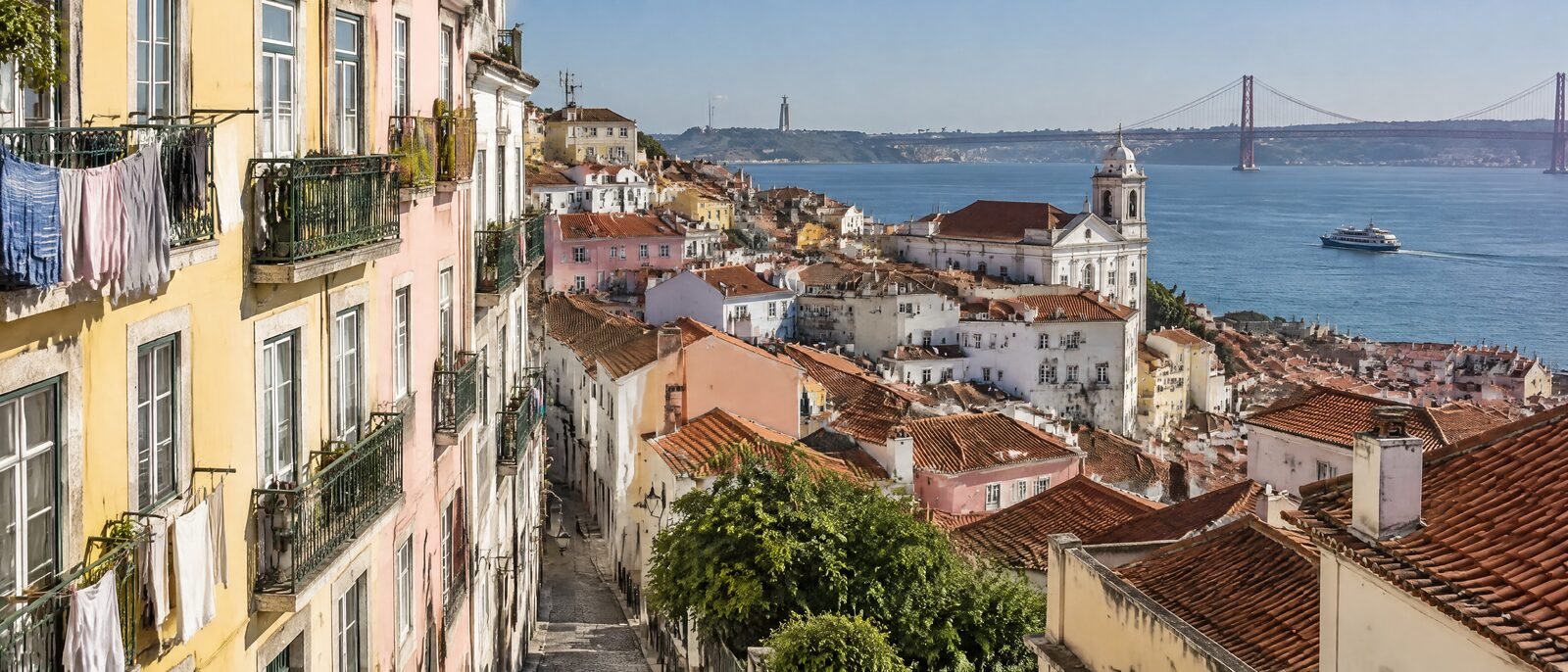
US — Level 1, exercise normal precautions
11 Dec 2025The lowest of four levels, marked “reissued after periodic review with minor edits.” Sources disagree on the date but not the level: the State Department page’s own “Last Updated” field reads 11 December 2025, while several secondary summaries give 23 December 2025 — almost certainly issue date versus page-update date. Take the figure printed on the page itself.
UK — FCDO, generic and city-blind
17 Jul 2026Last updated 17 July 2026. Its crime language is national: be alert to street crime, take care on public transport and at crowded bus and tram stops, thieves use distraction techniques and often work in teams. On nightlife, attacks including sexual assaults are rare but do occur, with risk highest late at night around nightlife areas — and drinks here are often poured stronger than in the UK. New for 2026: Albufeira’s Code of Conduct carries on-the-spot fines of €150–€1,800.
What actually happens
One dominant crime, with mechanics precise enough to plan around.
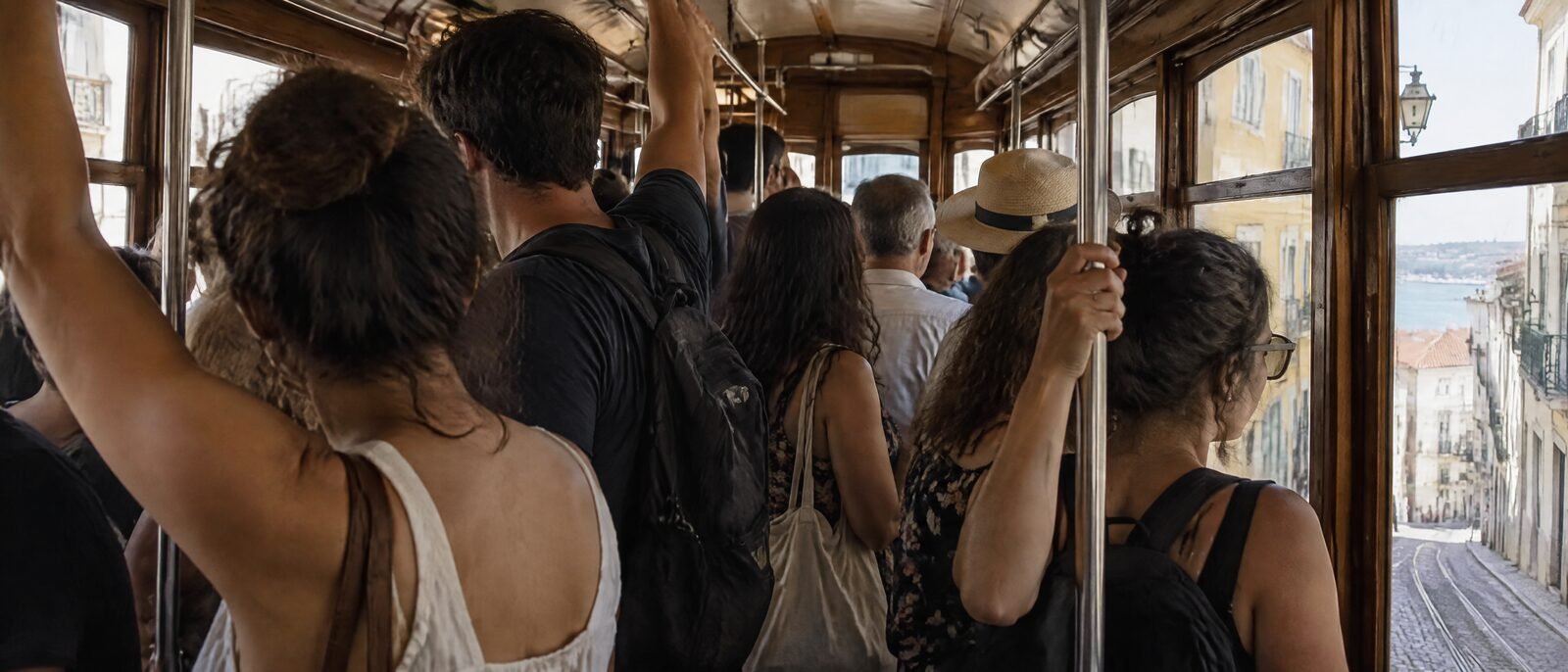

Trams 28 and 15
The boarding crushThe vector is not the ride. It is the boarding crush at a stop where twenty people funnel through one narrow door. A crew boards with you; one stalls in the doorway so the queue compresses; the lift happens in that two-second press; the item is handed off and the crew steps off at the next stop while you are still standing. It concentrates at the uphill stops where the tram crawls — Graça, the Sé, Baixa-Chiado, Estrela — and in the queues at Martim Moniz and Praça Luís de Camões.
The scale, and who is doing it
Ten a dayPortugal’s 2025 national security report, published 31 March 2026, recorded serious and violent crime down 1.6%, falling in both Lisbon (−3.4%) and Porto (−8.4%). Pickpocketing runs the other way: 7,443 thefts nationally in 2025, up 7.7%, with Lisbon district at 46% and Porto 26%. In Lisbon city there were 1,770 thefts in the first half of 2026, up 9.5% — about ten a day, against roughly nine arrests a month. It concentrates in Santa Maria Maior and Misericórdia parishes: Baixa, Bairro Alto, Cais do Sodré, Alfama, plus Belém and around Castelo de São Jorge.
Metro, miradouros and Porto
Red lineLisbon’s Metro itself is safe; the theft is at the crush points — Baixa-Chiado and Restauradores on the Blue line, and the Red line from the airport, where you are visibly a new arrival with both hands full. The viewpoints at Senhora do Monte, Santa Luzia, Portas do Sol and São Pedro de Alcântara sit inside the two worst parishes and concentrate exactly what a crew wants: dense evening crowds, everyone facing outward with a phone up. Porto carries 26% of the national total, with 1,233 city cases in H1 2026, up 298; its squeeze points are the Ribeira terraces, São Bento’s atrium, the Clérigos queue, the Dom Luís I upper deck, Rua das Flores and the Gaia riverside after the wine-lodge tours empty.
The men selling “hashish, cocaine?”
Não, obrigadoIn Baixa, Rossio, Praça da Figueira, Cais do Sodré and Bairro Alto you will be offered drugs constantly. The product is usually louro prensado — pressed bay leaf sold as hashish, asking price around €70 — or bicarbonate sold as cocaine. Police can rarely detain the seller: selling bay leaves is not trafficking, and a fraud charge generally needs the buyer to complain about an illegal purchase.
Car break-ins, booking fraud, funiculars
Sintra, CascaisThe GNR dismantled a network working the car parks at Portela de Sintra, Sintra station, the historic centre and the Sintra-coast beaches, targeting rental cars; two suspects were tied to 55 vehicles across Lisbon, Cascais and Sintra. Separately, PSP and GNR logged over 6,000 false holiday-rental frauds in three years — real photos lifted from Airbnb or Booking, a below-market price, payment pushed off-platform. And a safety item: the Elevador da Glória derailed on 3 September 2025, killing sixteen including an American, after a cable between the cabins failed. Bica and Lavra remain closed with no reopening date; Graça reopened around 30 April 2026.
Where you’ll be
Almost everywhere is normal. What changes is the hour, not the postcode.
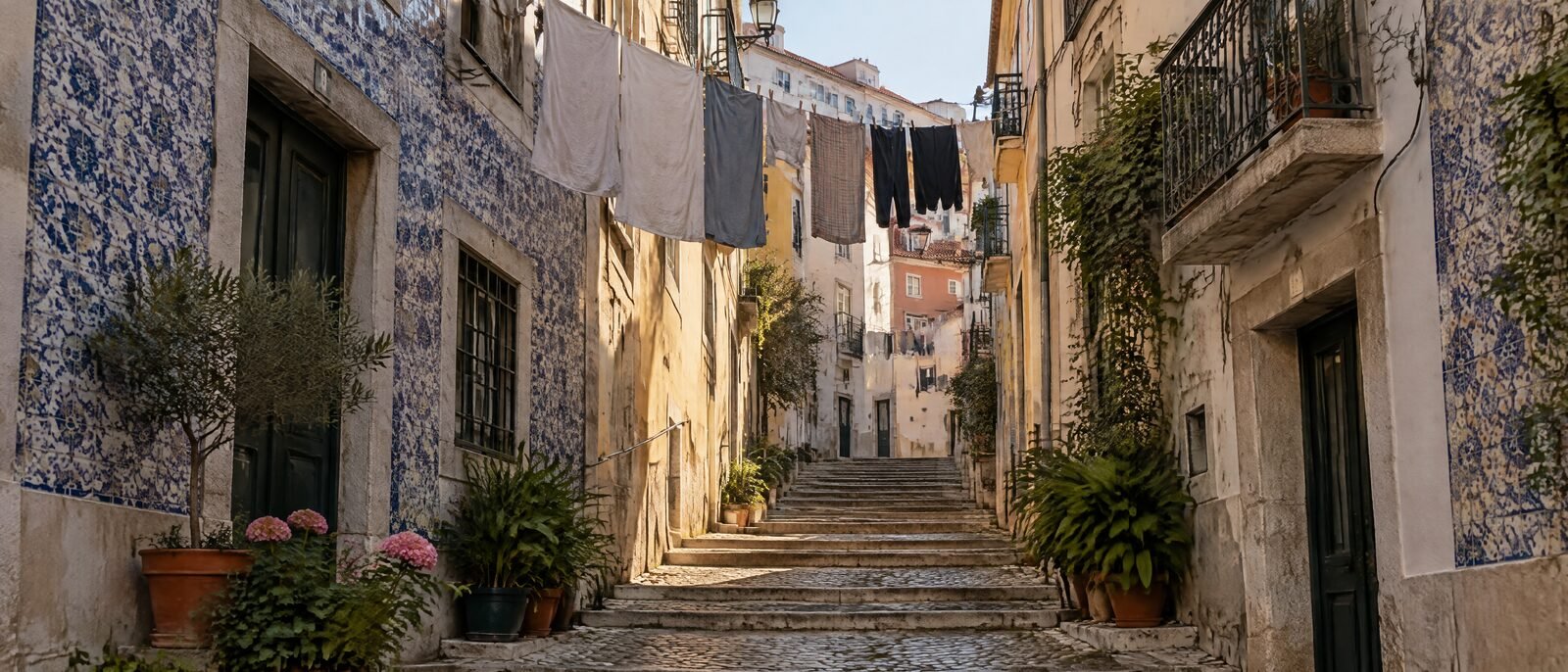
Lisbon
2–3amBaixa, Chiado, Príncipe Real, Avenida da Liberdade, Belém, Parque das Nações and Alfama are all normal bases; the middle three are quietest at night. What changes after dark is narrow: Bairro Alto at closing, around 2–3am, when a street-drinking crowd spills out disoriented — that is the harvest window, not the bars. Cais do Sodré around 3am, same dynamic plus the river; Pink Street is the densest street-drinking corridor in the city, where the FCDO’s spiking advice and its note about strong pours both land. Rossio and Praça da Figueira late, where the fake-drug sellers concentrate.
Porto
CampanhãRibeira, Cedofeita, Bonfim, Boavista and Foz are all reasonable bases. Boavista and Foz are quiet and residential; Bonfim is gentrifying and fine. Campanhã station at night is the one place to be deliberate — arrive, get your transport, leave. It is a transit interchange with little street life once the trains thin out.
Getting around
Excellent public transport, one legitimate airport voucher, and a toll system built to catch you.
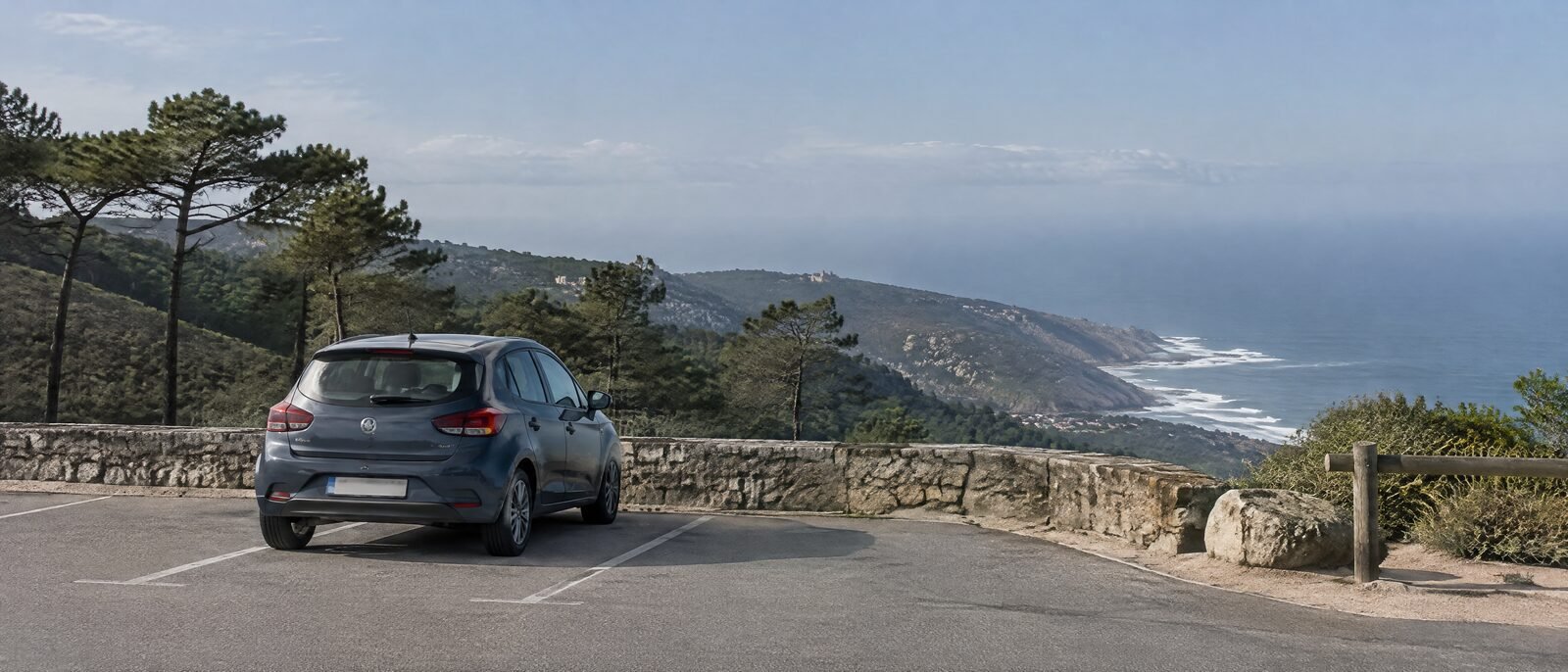
The airport, and the voucher desk
Ask Me LisboaThe Red line runs from Humberto Delgado into town and it is the highest-exposure ride you will take: jet-lagged, luggage in both hands, in a crowd that knows the flight schedule. Wear the bag on your front. If you would rather not, the official pre-paid Taxi Voucher is legitimate — sold only at the Turismo de Lisboa “Ask Me Lisboa” desk in the arrivals hall, at fixed prices set by protocol with the taxi federations.
Tickets, trams and Sintra
€1.72Buy a navegante ocasional card for €0.50, reusable for a year, and load “zapping” credit, which works across Metro, Carris buses and trams; the Metro zapping fare was €1.72 in 2026. Ride tram 28 early morning or late evening, not at 11am — bag on your front, phone in a zipped inner pocket, nothing in a back pocket. For Sintra, train from Rossio then bus 434 or 435, €2.30 on board; March 2026 rules moved coaches to peripheral car parks at Lourel and Ramalhão. In Porto, Metro Line E runs airport to Trindade in about 25 minutes.
The toll trap, and two money traps
23:59, day oneSeveral Portuguese motorways are electronic-only — no booths, gantries read your plate. If nothing is registered you are still liable, and the bill arrives months later via the rental company with an admin fee. Fines run €21.53 to €107.66 if not settled at a post office within five days of notice. Either rent the Via Verde transponder, typically around €2.21 a day capped near €22.14 per rental, or register a card to your plate via EasyToll at a border kiosk — and you only have until 23:59 on the day of first use.
Widely believed and wrong
The third one is the most likely to actually injure you.
“Drugs are legal in Portugal”
False. Law 30/2000, in force since July 2001, made use, acquisition and possession for personal use an administrative offence — up to a ten-day average supply — handled by a dissuasion commission rather than a court. Anything above that threshold, and all trafficking and cultivation for sale, remains a crime, with prison terms commonly one to twelve years. The FCDO is blunt: illegal drugs including cannabis carry severe penalties. And the men selling on Rossio are selling bay leaf.
“It’s so safe you needn’t think about theft”
Seventh in the world for peace, and 7,443 pickpocket thefts in 2025 with Lisbon up 9.5% in the first half of 2026. Not a contradiction — two different measurements. Portugal’s intentional homicide rate is 0.72 per 100,000, among Europe’s lowest. But roubo, theft with force or threat, is 61.6% of the violent-crime category, and reported rape hit its highest level in a decade in 2025 — worth stating plainly rather than hiding.
“Lisbon is walkable in normal shoes”
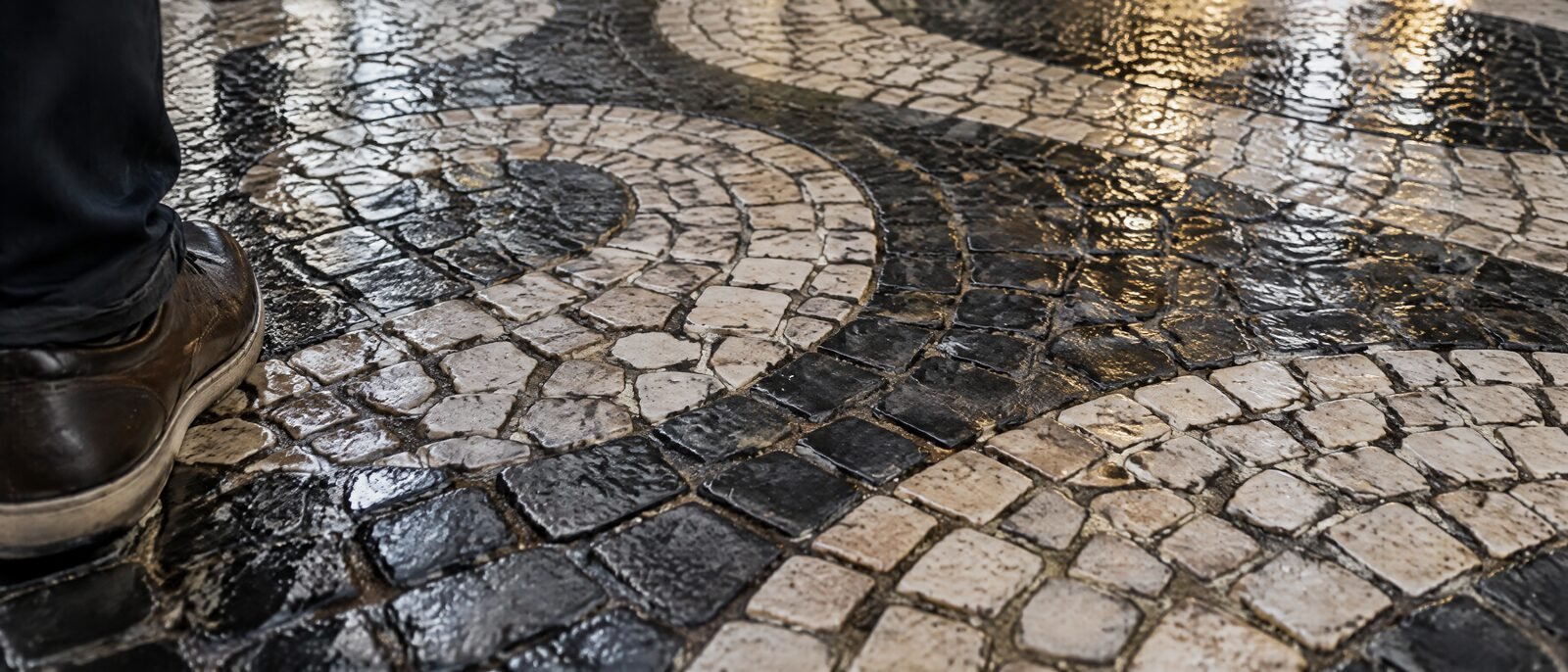
The calçada portuguesa polishes smooth under foot traffic and becomes genuinely slippery wet. Lisbon’s own survey of residents aged 55 and over found 55% had already fallen on the pavement and 92% feared falling — and the council conceded the true figure is worse, because the survey excluded the least mobile. A doctoral thesis reconstructing 1,935 hospital deaths found a recurring chain: pavement fall, fracture, hospitalisation, long bed rest, pneumonia. Bring shoes with real rubber tread.
If something happens
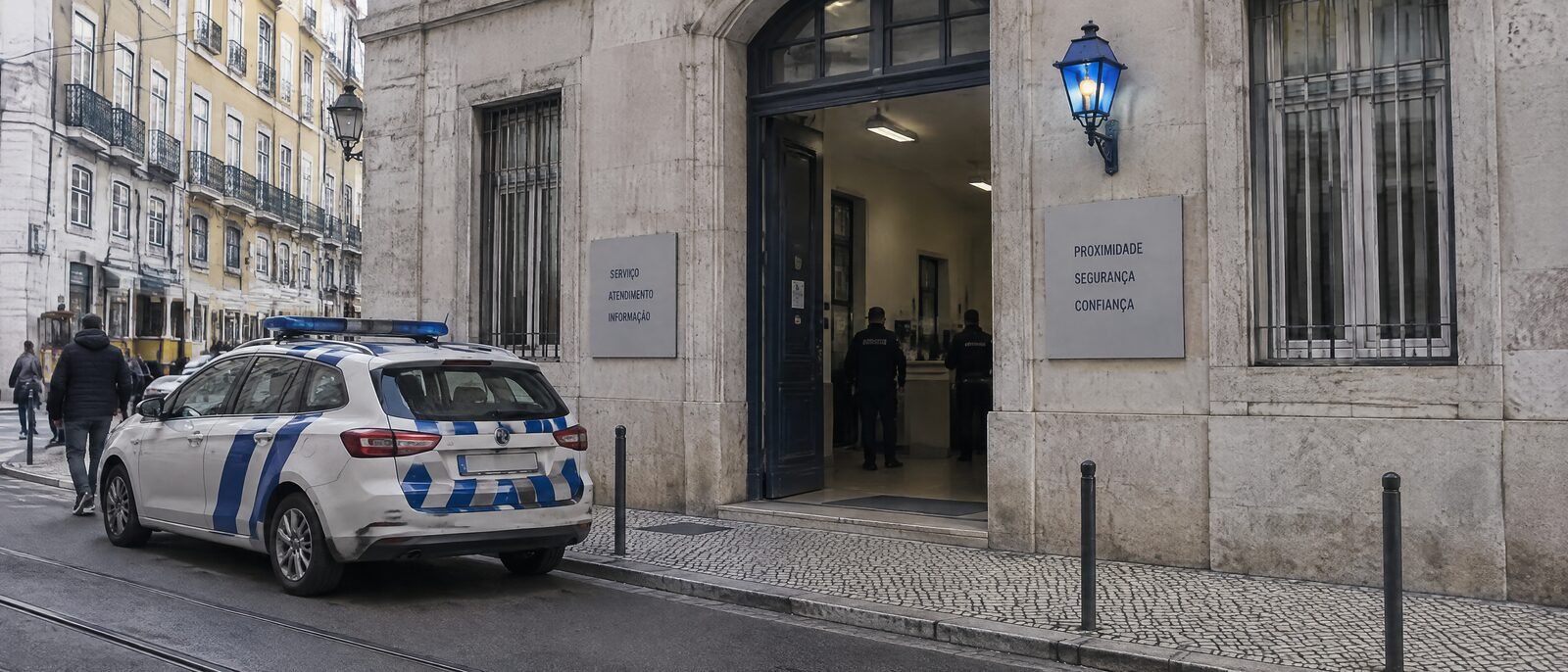
There is a dedicated tourism police service. Phone before you cross the city to it.
Emergency and health lines
112112 is the national and European emergency number for police, fire and ambulance. 117 is the forest-fire alert line. 144 is the national social emergency line. SNS 24, on 808 24 24 24, is the national health line with clinical triage 24 hours a day, every day, free.
Tourism police, and a live address conflict
Call firstTurismo de Portugal’s current official listing gives Lisbon’s tourism police station as Doca Jardim do Tabaco, Terminal de Cruzeiros, Edifício SW, 1100-651 Lisboa, on +351 219 021 950, lsbetur@psp.pt. Porto: Praça Pedro Nunes 16, 4050-466 Porto, +351 222 461 190, prtetur@psp.pt. Cascais: Largo Mestre Henriques Anjos, +351 219 022 180.
US Embassy Lisbon
After hours: same numberAvenida das Forças Armadas, 1600-081 Lisboa. Telephone +351 21 727 3300 — the same number is the after-hours emergency line for US citizens. There is no US consulate in Porto. The only other post is Ponta Delgada in the Azores, on +351 296 308 330; outside its hours you call Lisbon and ask for the Azores duty officer. A 2025 report suggested that post was slated for closure, but the embassy’s own pages still list it as operating, so treat that as unconfirmed.
Health and environment
Fire and water. Both harm more visitors here than crime does.
Wildfire is the serious one
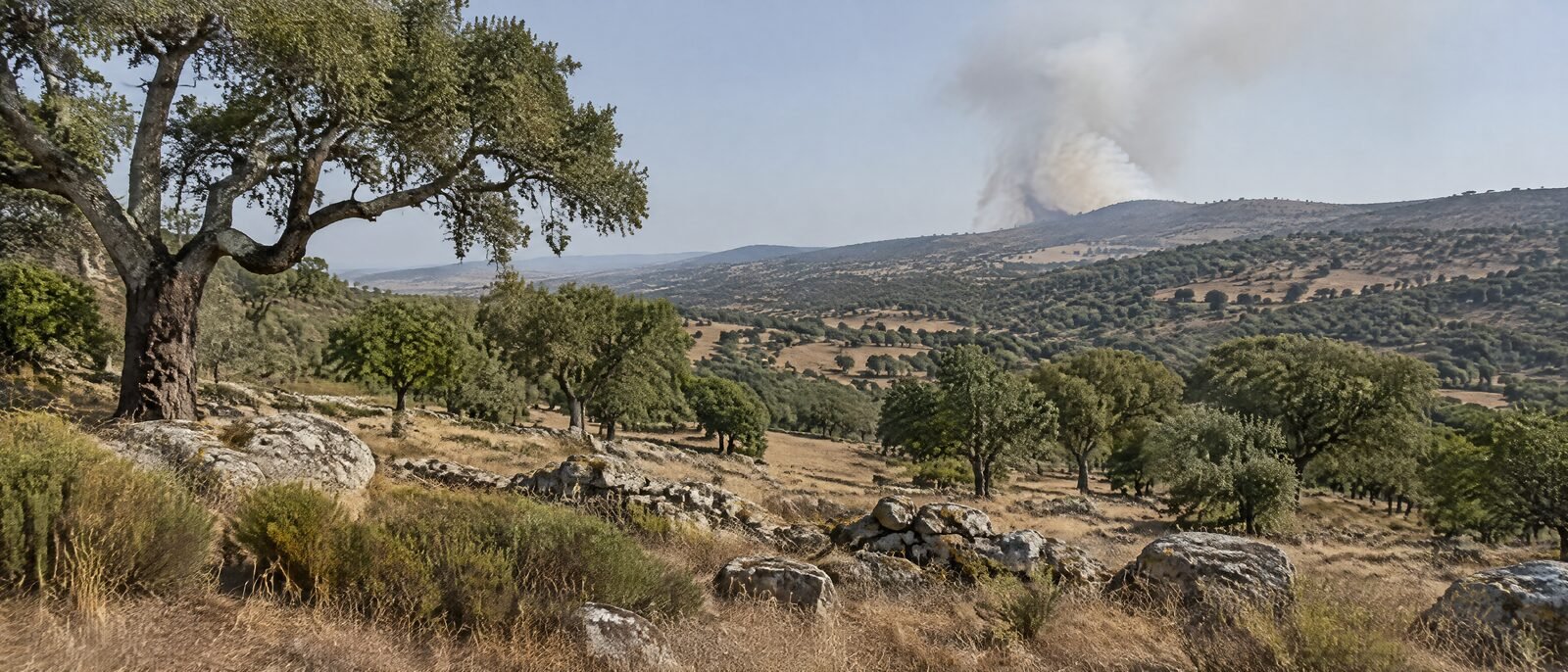
April–OctoberThe FCDO puts the season at April to October and notes fires can start anywhere. In 2026 the civil protection authority issued a rural-fire-danger notice on 1 July, a formal Declaration of Alert Situation on 2 July, extended on 7 July, and Portugal activated the EU Civil Protection Mechanism on 3 July. This reaches visitors directly: Parques de Sintra closed the Sintra hills monuments outright for very high fire risk in July 2025. Check the ICNF fire-risk index and the IPMA forecast the morning of any hike. Starting a fire, even accidentally, is a criminal offence.
The Atlantic is colder and rougher than it looks
Read the flag142 people drowned in Portugal in 2025, up 17.4% on 2024, and 75 had drowned by 30 June 2026 — the highest at that point in the year since 2017. Between 1 May and 31 July 2026 the Maritime Authority logged 17 deaths, 868 rescues and 1,606 first-aid actions on beaches, and notes Portugal has around 350 km of unguarded coast, where most drownings happen. Red means do not enter the water; yellow means paddle at the edge only. Caught in a rip, swim parallel to the shore until it releases you. Algarve cliffs erode and drop rocks, and authorities fine people who ignore the signs.
Vaccines, insurance and earthquakes
ProportionateNo vaccinations are required. An EHIC or GHIC covers state care for EU and UK visitors — it is not travel insurance, and Americans have no equivalent, so a US traveller needs a policy including medical evacuation. Pharmacies, marked with a green cross, handle a lot of front-line care, and a rotating 24-hour one is always posted in the window. Lisbon is seismically active, and IPMA runs the monitoring network and the national tsunami warning centre.
Go anywhere. Come back.
Advisories, funicular closures and Sintra’s traffic rules have all changed in the past year, and they change without notice. Check what has moved, then run the pre-trip list once.