The safest country
you can still get burned in.
Japan asks almost nothing of you. What it does ask is specific: don’t follow the man who speaks English to you outside Shinjuku Station, don’t bring your ADHD medication without permission, and don’t treat a Tokyo August as something you can simply walk through.
The advisory, in plain words
Two governments, two emphases. The gap between them is the useful part.
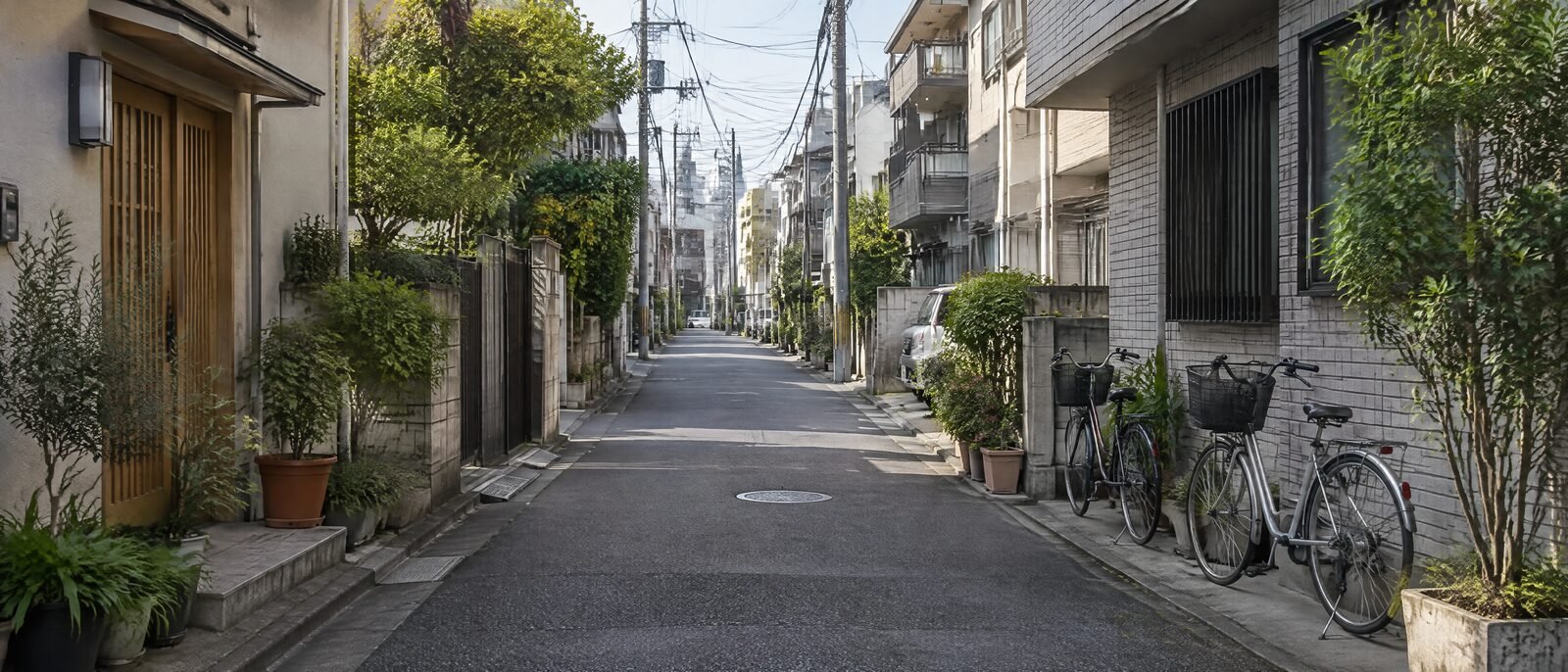
US — Level 1, exercise normal precautions
11 Aug 2025The lowest of four levels, and its substance is geology and weather rather than people: typhoons “from summer to fall”, earthquakes because Japan sits on the Pacific Ring of Fire, plus tsunamis and landslides. A global Worldwide Caution banner sits above it, as for every country.
UK — no advice against travel anywhere
4 Aug 2026Updated 4 August 2026, still current at 13 August 2026. Its newest addition: a magnitude 7.1 quake struck Kumamoto prefecture on 28 July 2026 and aftershocks may disrupt travel. The US Embassy issued a matching alert. The 2024 Nankai Trough megaquake advisory was lifted a week after issue and is not in force.
What actually happens
Four things, all documented by Japanese police in their own words.
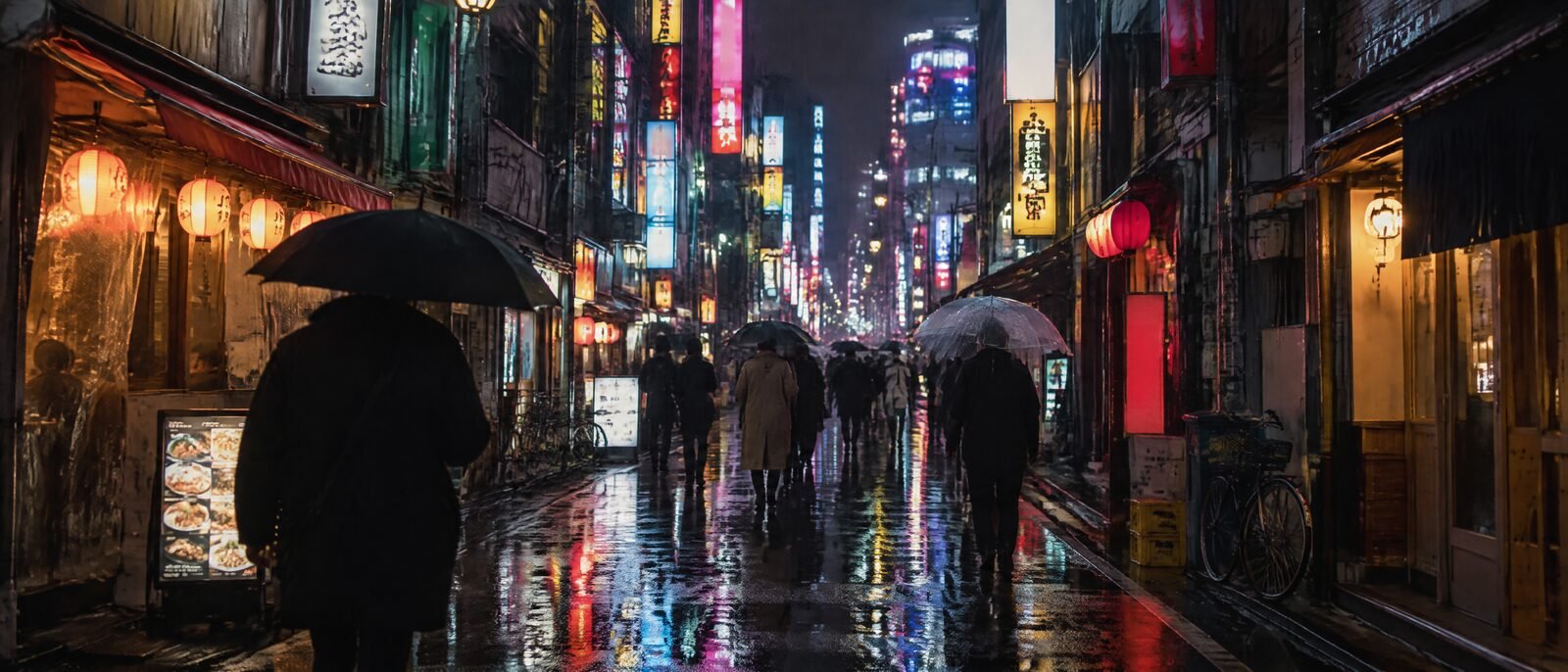

The tout-to-bar pipeline
KabukichoTokyo Metropolitan Police describe it themselves: touts lure you to partner bars, then charge excessive fees or use your card without your knowledge while you are drunk. The forced-ATM step is police-documented — bars have spiked drinks and then walked customers to a cash machine. There is a dating-app version too. TMPD refreshed its warning maps in February 2026, so this is current, not historical.
Drink spiking and card fraud
After darkThe FCDO reports victims waking with no memory and large sums billed to their cards, from hundreds to tens of thousands of pounds. The police-identified zones are Kabukicho, Roppongi, Shibuya and Ikebukuro; most British victims were targeted in Kabukicho. Some incidents escalated to robbery and assault.
Groping on trains
Rush hourA 2024 Cabinet Office survey of over 36,000 people aged 16–29 found 10.5% had been groped or subjected to indecent acts in public. Women were nearly 90% of those reporting assault, and about two-thirds said it happened on a train, mostly in the rush.
Theft, and fake monks
+4.9%Reported crime rose 4.9% in 2025 to 774,142 offences, the fourth straight rise and above 2019. Theft was about two-thirds of it. Separately, men in orange robes near temples in Tokyo and Osaka slip a bracelet onto your wrist and demand a donation, reported up to ¥10,000.
Where you’ll be
The risk isn’t the district. It’s a behaviour, in a few blocks, after about 21:00.
Tokyo
All bases fineMarunouchi, Ginza, Asakusa, Ueno, Shibuya and Shinjuku are all normal places to stay. Kabukicho is where the tout economy concentrates — but walking through it, eating in it, drinking in a bar you picked yourself is unremarkable. Street prostitution clusters at Okubo Park; buying sex is illegal, and TMPD warns about the “badger game”, where a promise of sex ends with third parties demanding money.
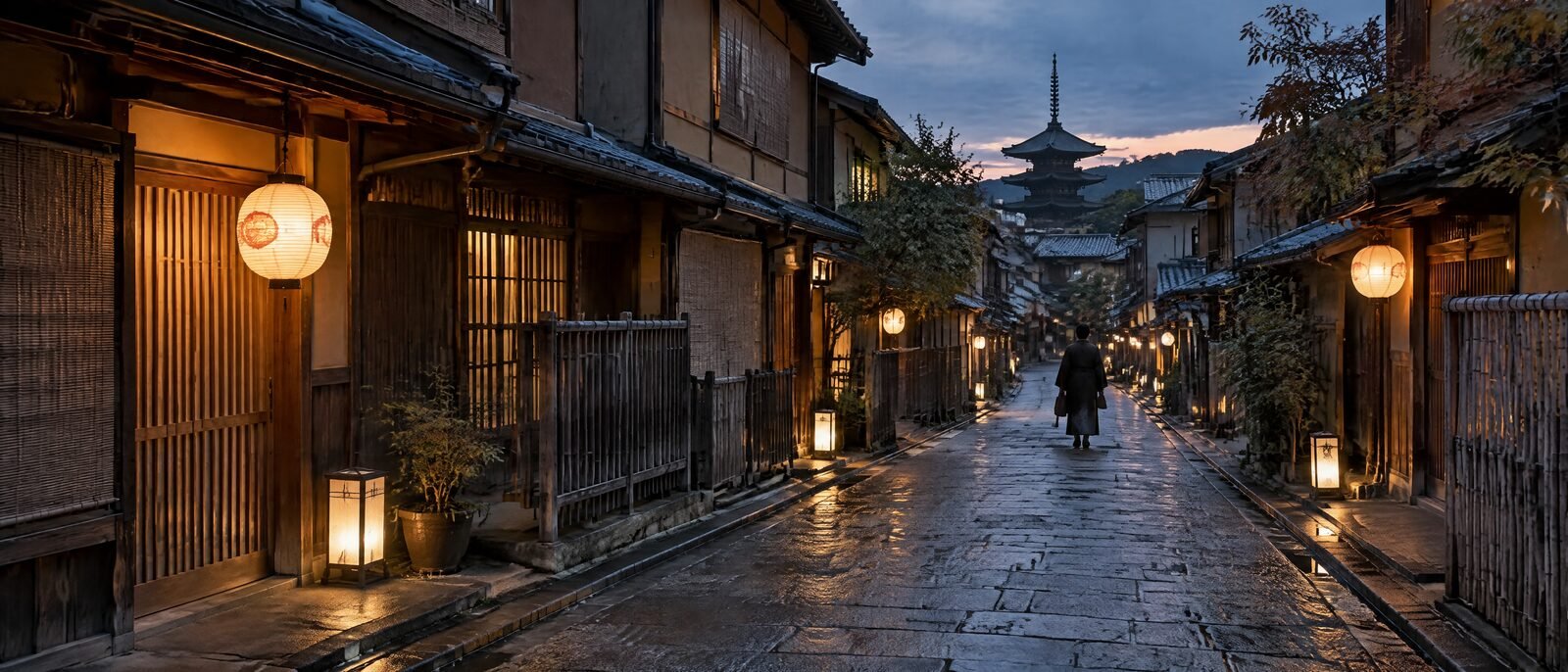
Kyoto
Rules, not crimeSince October 2023 the Gion district association has banned photography on its private alleys, with a ¥10,000 fine, after geiko and maiko were chased and pressured into selfies. It is still permitted on public streets including Hanami-koji and Shirakawa-dori. Treat the small side lanes off Hanami-koji as private property, because they are.
Getting around
Trains solve almost everything. The place to be careful is the arrivals hall.
The airport transfer trap
Check the plateUnlicensed “white taxis” work Haneda and Narita arrivals, negotiating through a translation app. One couple was quoted ¥10,000 to Ginza, about ¥2,000 over the legal fare; another paid ¥30,000 Haneda to Shinjuku, roughly triple. Five people were arrested in February 2024 for running unlicensed services out of Haneda.
The last train, and what missing it costs
00:00–01:00Last trains in central Tokyo run roughly midnight to 1am; the first resume around 04:30. Missing one is a money problem — a capsule hotel is typically ¥3,000–5,000. A taxi adds a 20% surcharge between 22:00 and 05:00 on a ¥500 flag-fall for roughly the first kilometre. Guides report an upward fare revision on 20 April 2026; we could not confirm the exact increment officially.
Tickets, and where to buy them
IC cardSuica, PASMO and the other IC cards work on trains, buses and in convenience stores nationwide. The 7-day Ordinary Japan Rail Pass rises to ¥53,000 on 1 October 2026; confirm that on the official pass site before budgeting.
Widely believed and wrong
The three beliefs that cost visitors the most.
“Crime doesn’t exist in Japan”
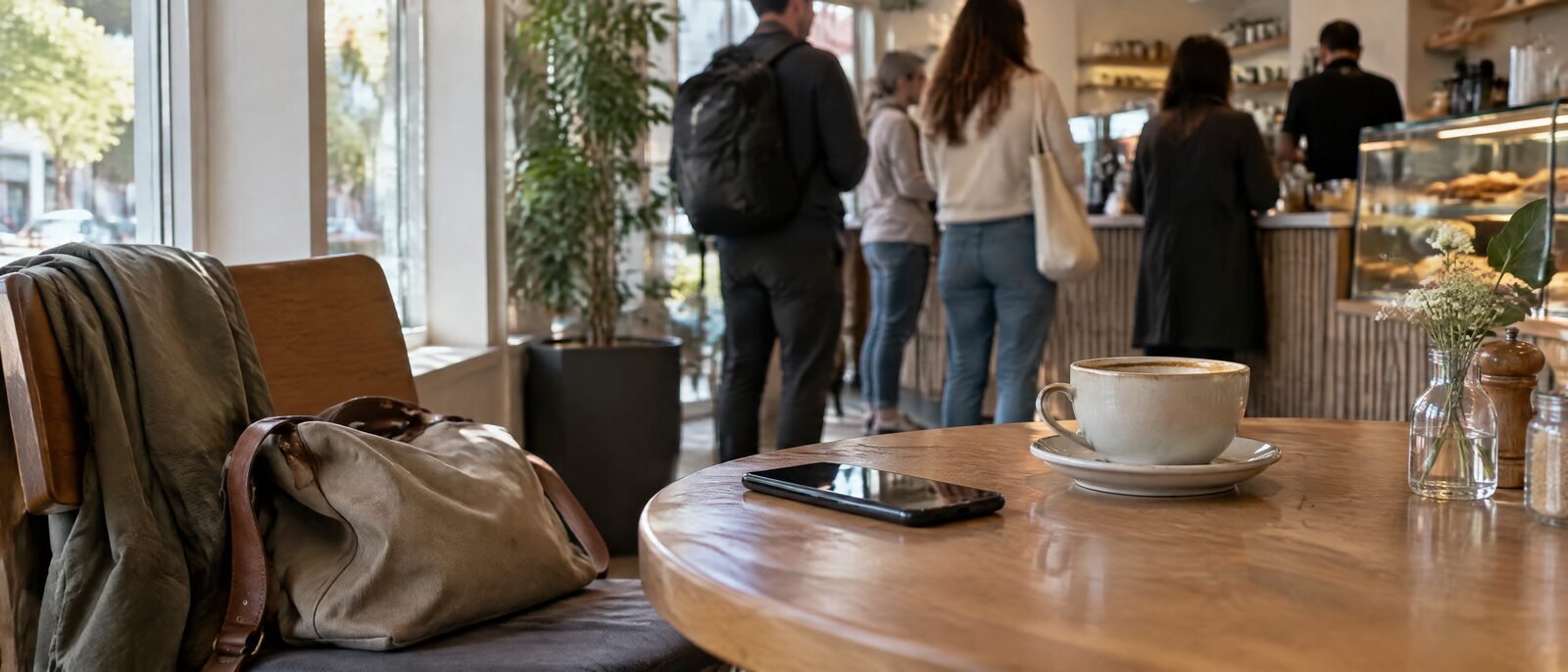
Reported crime has risen four years running, hitting 774,142 offences in 2025 and exceeding 2019. Tokyo’s own police tell visitors to keep bags zipped and backpacks worn on the front. The people who get burned here skip insurance, leave a bag on a café chair, or assume a friendly English-speaking stranger in Kabukicho is being friendly.
“Japan is relaxed about drugs”
The opposite, and it got harsher: cannabis was reclassified as a narcotic on 12 December 2024. Cannabis, cocaine, MDMA, ketamine or LSD carry up to seven years; stimulants ten; smuggling can draw life. The real exposure is process — 48 hours’ custody plus two ten-day detention orders is 23 days before indictment, bail is virtually unheard of for foreigners, and the conviction rate after indictment is over 99%.
“Japan is cash-only”
Wrong in both directions now. Cashless payment reached 58.0% of consumer spending in 2025, and cards work almost everywhere a visitor goes. But shrine offerings, ramen ticket machines, owner-run diners, market stalls and some local buses are still cash. Carry ¥10,000–20,000 and stop thinking about it.
If something happens
Verified numbers, and the specific English-language routes.
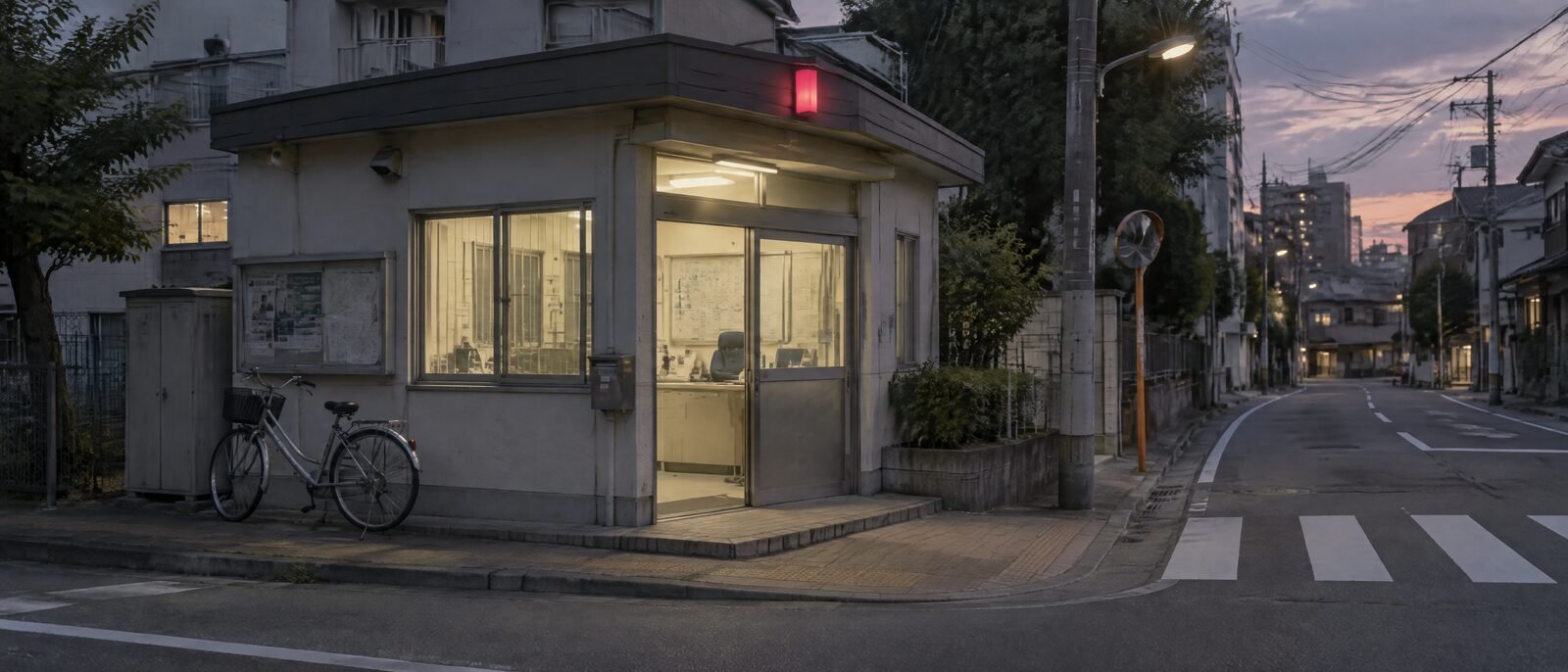
Emergency and English-language lines
Save thesePolice 110. Fire and ambulance 119. Coast guard 118. Police non-emergency with English available, #9110. JNTO’s Japan Visitor Hotline runs 24/7/365 in English, Chinese and Korean on 050-3816-2787 (+81-50-3816-2787 from overseas). TMPD’s English helpline is 24 hours on 03-3501-0110. Police lost and found: 0570-550-142. Tokyo English Life Line: 03-5774-0992.
US Embassy Tokyo
After hours: same number1-10-5 Akasaka, Minato-ku, Tokyo 107-8420. Phone 03-3224-5000 — the same number after hours; ask for the duty officer. For Kyoto the relevant post is Consulate General Osaka-Kobe, 2-11-5 Nishitenma, Kita-ku, Osaka 530-8543, on 06-6315-5900. Enrol in STEP before you go.
Health and environment
Heat and medication rules derail more trips here than anything criminal.
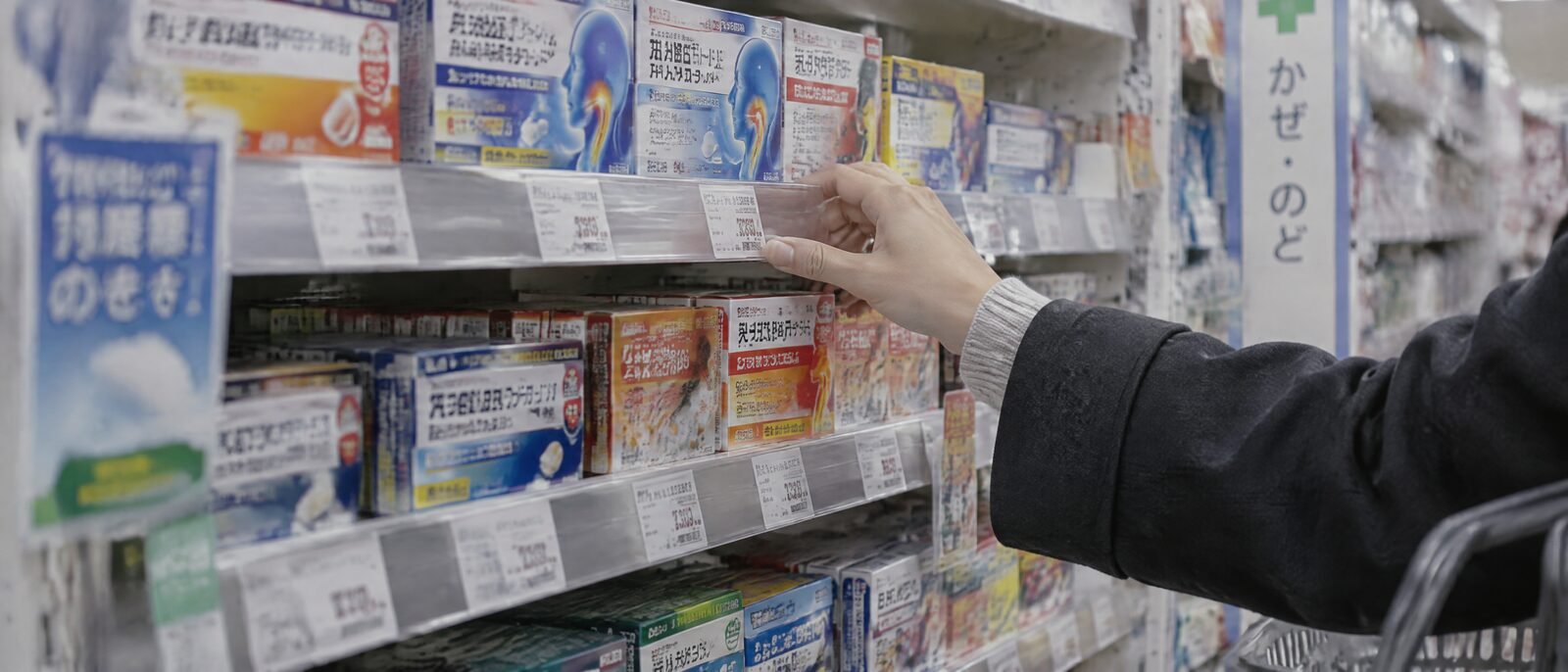
Your medication may be illegal here
Plan weeks aheadMany common American prescription and over-the-counter drugs are illegal in Japan regardless of a valid US prescription, and bringing them risks arrest and detention. Without an import certificate you may bring one month’s supply of prescription drugs. Narcotics and psychotropics — where ADHD stimulants and some codeine products land — need advance permission from a Regional Bureau of Health and Welfare, which can take weeks. Email yakkan@mhlw.go.jp (Narita, Haneda) or kiyakuji@mhlw.go.jp (Kansai).
Heat is the biggest environmental risk
July–AugustTemperatures often exceed 35°C in July and August. Japan recorded an all-time high of 41.8°C in 2025 and over 100,000 heatstroke hospitalisations that summer; 2024 saw a record 2,000-plus heatstroke deaths. The Environment Ministry runs an alert system from late April to late October, with a prefecture-level Special Alert at wet-bulb globe temperature 35 and above.
Earthquakes, typhoons, vaccinations
Level 1 risksThe drill, per JNTO and the embassy: check the evacuation route at check-in; indoors during a large quake, stay put and follow staff; extinguish naked flames, because secondary fire is the main killer; near the coast, move to high ground without waiting for confirmation. Install JNTO’s Safety Tips app for government alerts in English. Typhoon season runs June to December, peaking July to September.
Go anywhere. Come back.
Advisory levels and embassy alerts change without notice. Check what has moved, then run the pre-trip list once.