The national number
is not your risk.
Between January and March 2026, Sea Point, Camps Bay, Claremont, Fish Hoek and Simon’s Town each recorded zero murders. In the same quarter Mfuleni recorded 53, Delft 51, Gugulethu 49 and Philippi East 48. Both of those are Cape Town. Risk here is sharply geographic and sharply time-dependent, and once you know where the lines fall the planning is straightforward.
The advisory, in plain words
One is national and generic. The other names roads, exits and trails.
US — Level 2, exercise increased caution
27 May 2025Issued 27 May 2025, page last updated 11 August 2025. Indicators: Crime, Terrorism, Unrest, Kidnapping. The text is national — violent crime is common and includes robbery, rape, carjacking and mugging, and kidnappers target foreign travellers to steal money, often forcing victims to withdraw cash before releasing them. No “Do Not Travel” sub-areas are listed for South Africa.
UK — FCDO, and this is the operational one
8 Jul 2026The FCDO names Cape Town twice, and names infrastructure. On the airport routes: increased violent crime and targeted attacks, including incidents involving visitors driving hired cars. Stay on the M3 and N2 rather than the R300; take exit 16, the airport approach road, rather than Borcherd’s Quarry Road towards Nyanga; don’t follow GPS routes off main roads. On the mountain: recent violent attacks and muggings against hikers and foreign tourists, including on Lion’s Head and Signal Hill — busy marked trails, popular days, groups of four or more.
What actually happens
Four patterns account for nearly everything that affects a visitor.

Smash-and-grab, on named roads
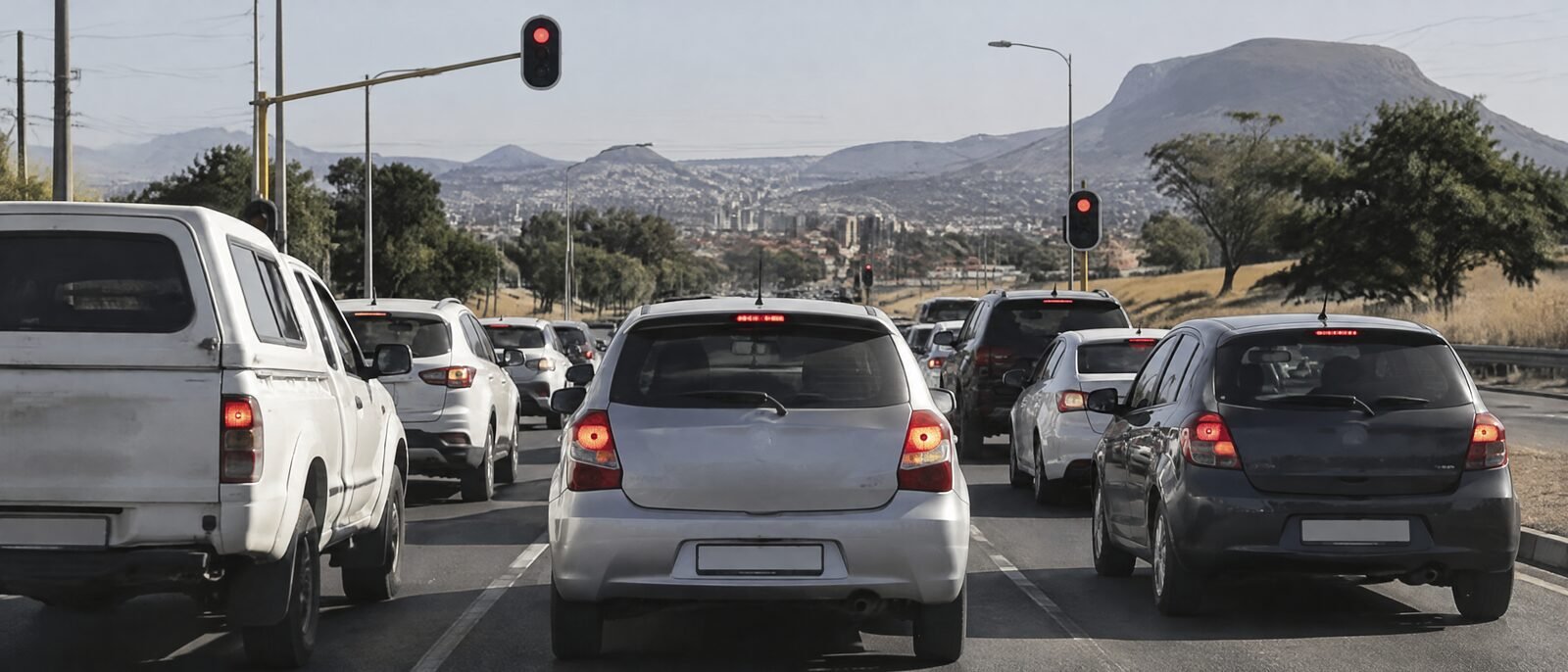
The N2The named stretches: the N2 between Somerset West, the airport and the city, past Nyanga, Philippi, Borcherds Quarry and Mew Way — the “Hell Run”; Jakes Gerwel Drive between Bonteheuwel and Langa; the robots at the Stellenbosch Arterial fire station, Belhar side; Elsies River at 35th Street and Owen Road; Malibongwe Drive at the N7 by Du Noon; Van Riebeeck Road near Beaconvale; parts of Philippi Main Road. Risk peaks in late afternoons, early evenings and weekend traffic — when you are boxed in. Some crews throw cement blocks from blind spots at cars at speed: in April 2026 a motorist was knocked unconscious at around 120 km/h near Mew Way, and a retired teacher was fatally stabbed after her window was smashed near the Jakes Gerwel intersection, travelling from the airport.
Fake e-hailing drivers at the airport
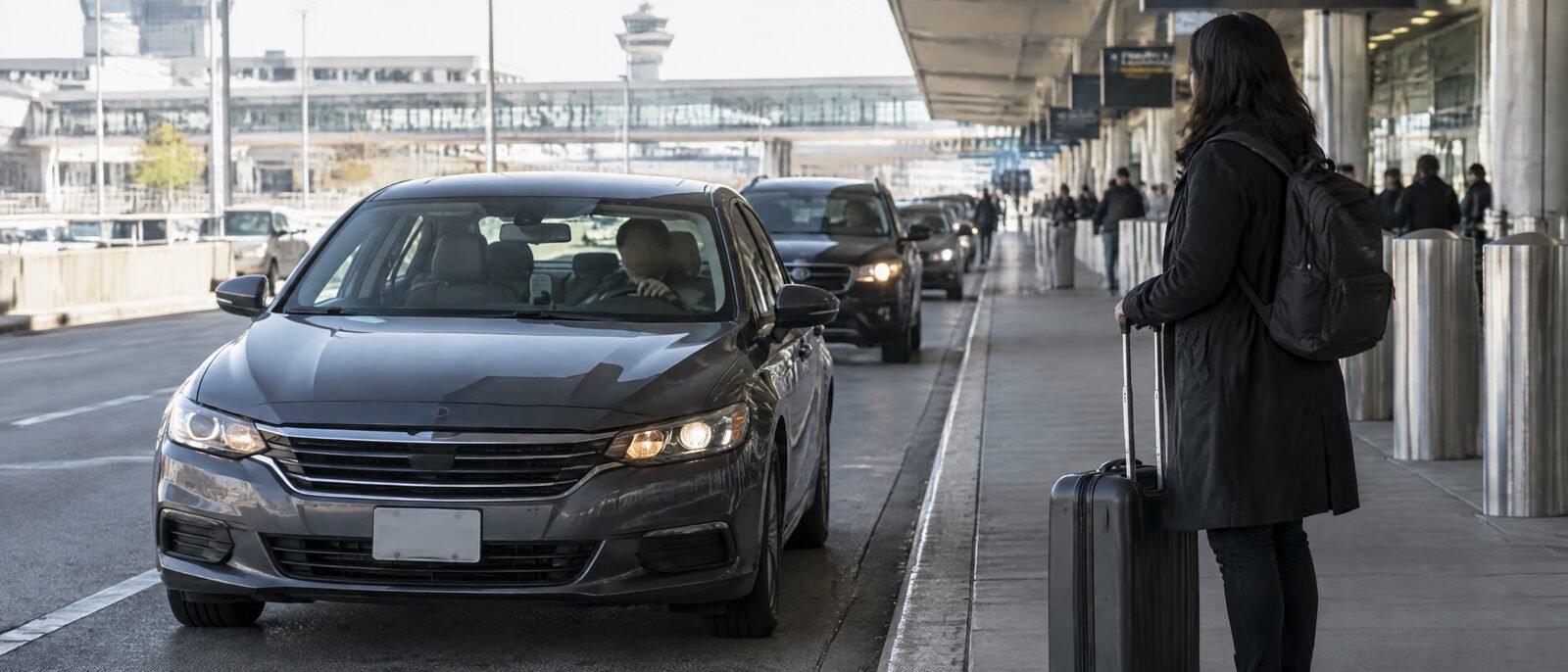
Parkade 1The most active tourist-specific play of 2026. The US Consulate issued an alert on 4 February 2026 about people at Cape Town International claiming to be Uber drivers without a confirmed booking. Reported losses include R4,200 for a trip that should have cost R420, and one visitor who lost close to R40,000 in November 2025. Touts wear homemade Uber-branded lanyards and check arrivals’ phones.
The mountain
Groups of fourReal, specific, and it targets visitors — SANParks says so on its own site. In 2026: a couple hiking The Glen were assaulted and robbed by armed suspects on 18 January; a runner was stabbed at Deadman’s Tree near Tafelberg Road on 8 July, between 07:15 and 07:30; two further stabbings followed in the Deer Park area in the week of 14 July. Recurring hotspots: the Pipe Track’s Camps Bay section, the Sea Point fringe including Pat’s Track, the Noon Gun, Poyser Road, Deer Park to Rhodes Memorial, and the dirt roads below Tafelberg Road.
Being stopped: fake police, ATMs, carjacking
Appointment certificateCriminals pose as police using blue lights on plain, often white, vehicles; if you are suspicious don’t stop — drive to a police station or petrol station. At cash machines, refuse all offers of help, and change larger sums only inside banks or malls, because people carrying cash have been followed and robbed. Carjacking clusters after dark around traffic lights, junctions, petrol stations and driveways, and criminals can jam a car’s central locking — check the handle after locking.
Where you’ll be
Of 116 wards, 34 score safe or very safe — and those are the ones you will stay in.
Atlantic Seaboard and the V&A
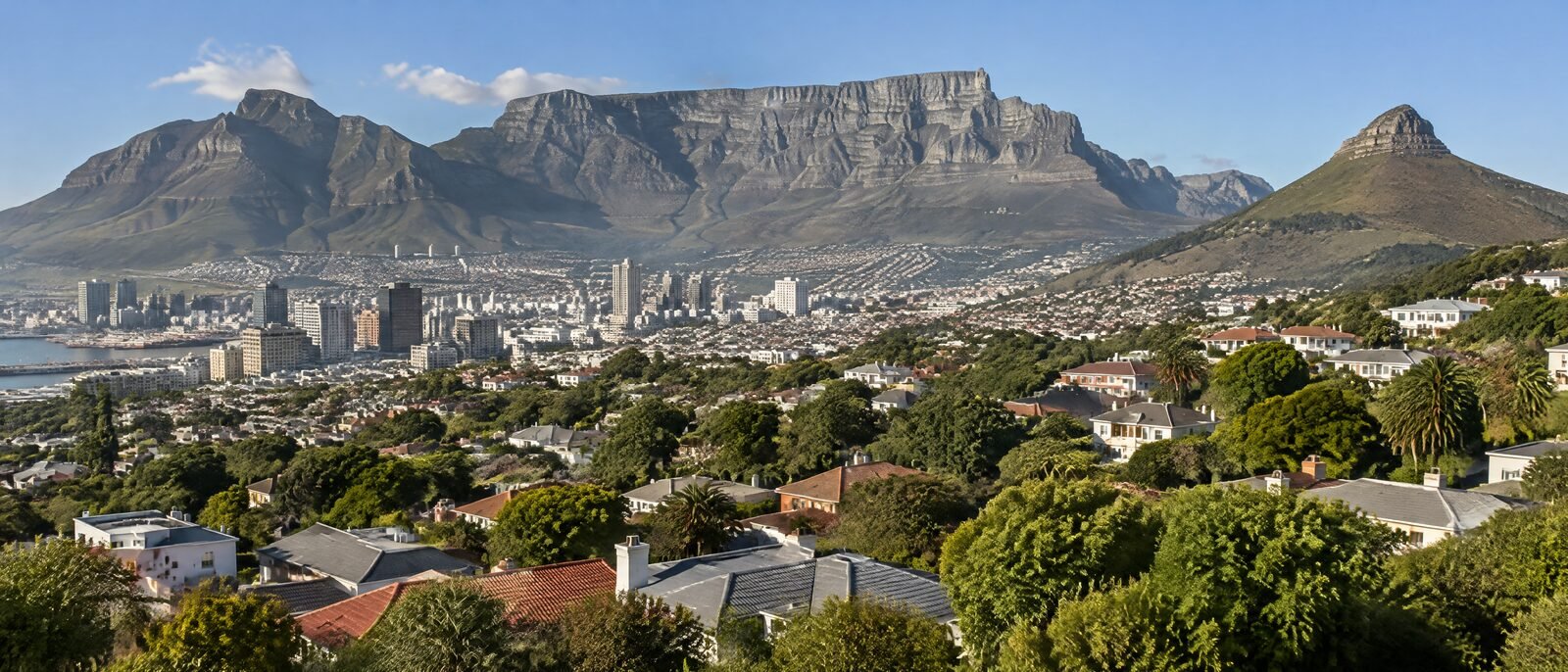
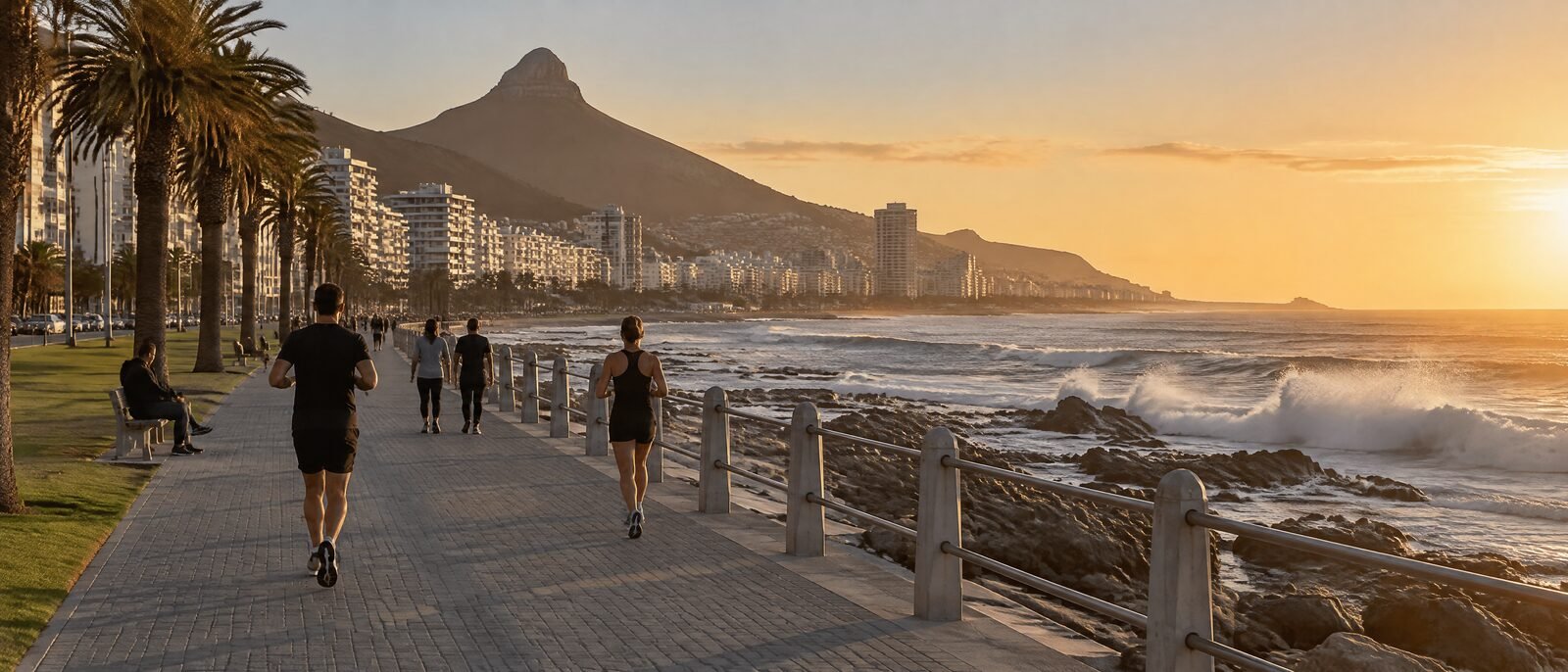
Score 6.5–9.0Camps Bay, Clifton, Sea Point and Green Point score 6.5 to 9.0; the V&A Waterfront 7.0. Inside the Waterfront precinct, walking is fine at any hour; the walk between the Waterfront and the CBD along the foreshore at night is not. Camps Bay recorded zero murders in the quarter — walk the strip freely, just don’t leave anything in a car on Victoria Road.
City Bowl, Gardens, Bo-Kaap
CBD emptiesKloof and Bree Streets are good on foot into the evening while restaurants are full, and Long Street is fine in daylight. Cape Town Tourism describes the central city as heavily patrolled, well lit and busy with locals by day, and Cape Town Central cut aggravated robbery by 42% in Q1 2026. What changes is the hour, not a corner: the CBD empties after business hours, and between last orders and dawn, lower Long Street is somewhere to leave from the door by Uber.
Southern Suburbs, False Bay, Hout Bay, Woodstock
Mixed, and say soConstantia, Newlands and Bishopscourt score 7.0–9.0 — car territory by design, not by risk. The False Bay coast scores 6.5–8.0; its weak point is the Muizenberg beach car park, where you leave nothing, including in the boot if you were seen putting it there. Hout Bay is generally fine but its precinct includes Hangberg, a gang base — stay on the harbour and Chapman’s Peak side. Woodstock and Salt River vary block by block; petty theft is the top recorded offence there, 24% of recorded crime in H1 2026 and down 5.7% year on year. Go in daylight, to a specific destination, and come back by car.
Getting around
E-hailing is the default. Two other options are good; one is off the table.
Uber, Bolt, metered taxis and MyCiTi
Parkade 1Book through the app; wait somewhere you have identified as a place of safety rather than on the street; check registration and driver ID before getting in; keep your phone out of sight. At the airport use only the designated pickup on the ground floor of Parkade 1. Metered taxis booked through a hotel with a registered fleet are fine and worth it late at night. The FCDO names MyCiTi among the safer options for CBD and Atlantic Seaboard routes; the A01 runs airport to Civic Centre in about thirty minutes, with enclosed, access-controlled, CCTV-covered stations — but never to townships.
The Southern Line, and driving yourself
M3, N2, exit 16From 2 February 2026 weekday trains run direct from Cape Town to Simon’s Town; Saturdays still use the Fish Hoek shuttle, there is no regular Sunday service, and a suspension for track laying has been flagged with dates to be confirmed. In daylight, on a weekday, in a busy carriage, that run is now plausible and spectacular — verify the day’s service first, and don’t use it after dark or take the Central Line towards Khayelitsha. Driving is workable: left-hand drive, 120 km/h on highways and 60 on major roads, first-to-arrive priority at four-way stops, and keep the tank above half.
Widely believed and wrong
Two errors in opposite directions, and one that costs people needless side effects.
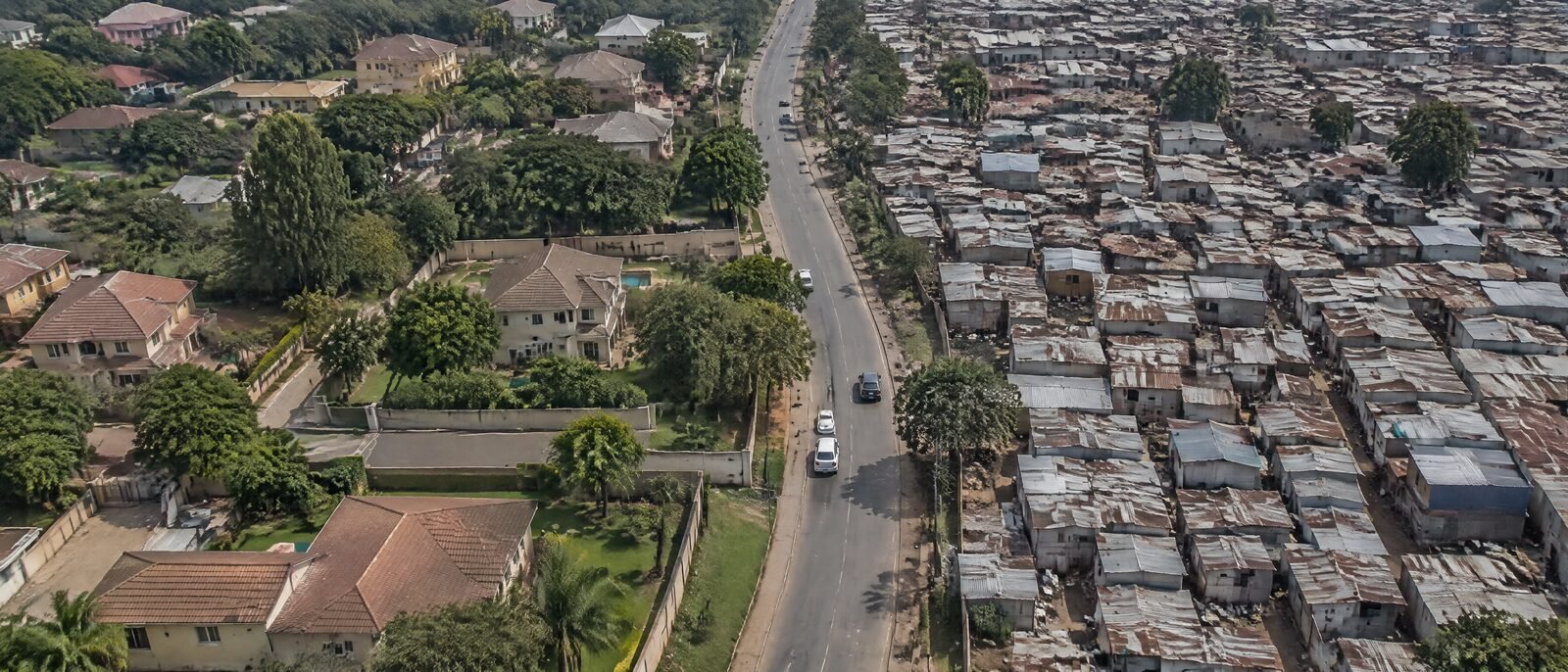
“The whole city is dangerous”
This does the most damage, because it makes visitors either cancel or make frightened, undirected decisions. In January to March 2026 Sea Point, Camps Bay, Claremont, Fish Hoek and Simon’s Town each recorded zero murders. Ninety-three percent of South Africa’s identified gang-related murders that quarter happened in the Western Cape, concentrated in Manenberg, Hanover Park, Mitchells Plain, Khayelitsha, Delft, Mfuleni, Lavender Hill and Bishop Lavis. Those deaths are real. They are also generated in precincts a visitor has no itinerary reason to enter.
“Tourists are never targeted”
The opposite error, and equally wrong. The FCDO names violent attacks on hikers and foreign tourists in Table Mountain National Park, and incidents involving visitors driving hired cars on the airport routes. The US Consulate issued a February 2026 alert about arrivals being intercepted at the airport. A German tourist was robbed and thrown to the ground on the Sea Point Promenade in February 2025. Solo dawn hikers with a visible phone, and freshly landed travellers with luggage on the N2, are selected populations — not unlucky ones.
“You need malaria pills for Cape Town”
You do not. Only two South African national parks sit in a malaria risk area — Kruger and Mapungubwe — and Table Mountain is not one of them. Risk is confined to the north-east: low-altitude Mpumalanga, Limpopo and the far north of KwaZulu-Natal. You need nothing for Cape Town, the Winelands, the Peninsula or the Garden Route. People routinely take prophylaxis with real side effects for a trip carrying zero malaria risk.
If something happens
Short codes may not route from a roaming foreign handset. Save the long forms too.
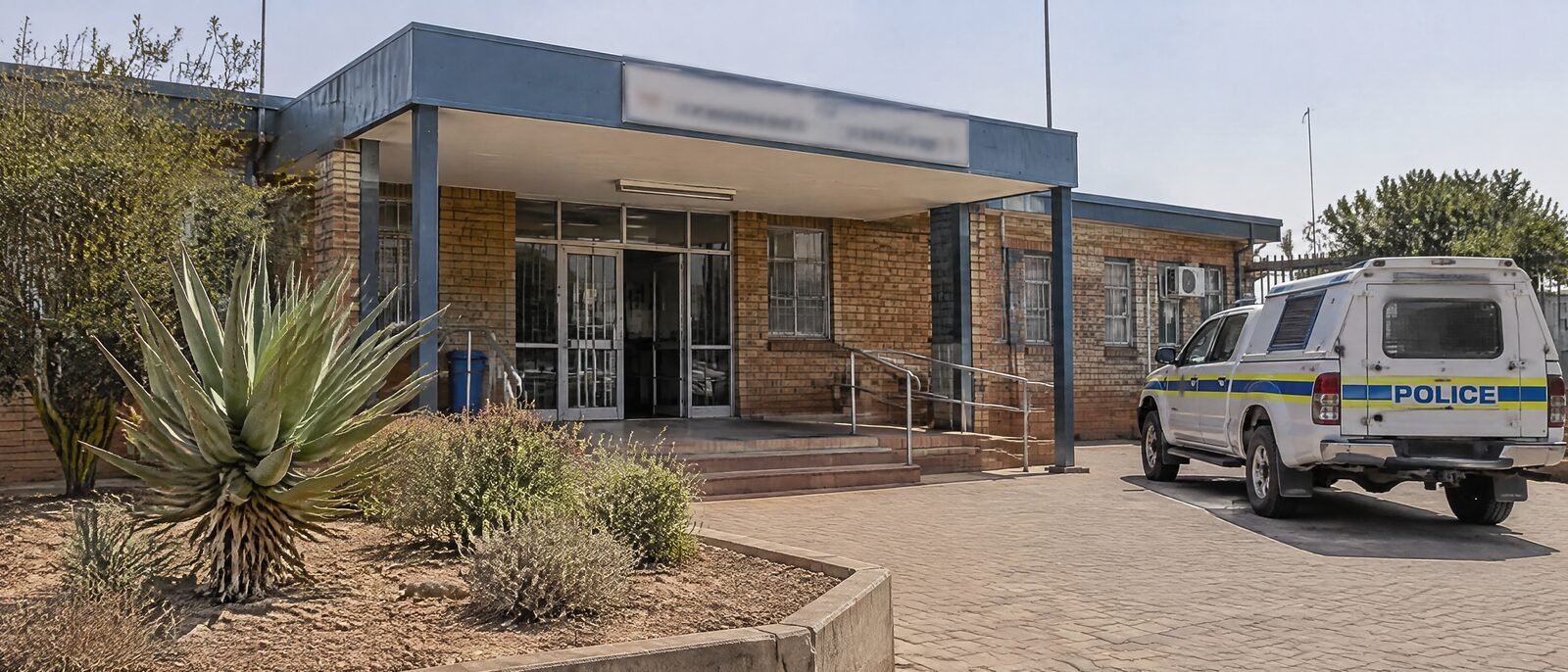
Emergency numbers
112 from a mobile112 works from any mobile including a foreign SIM, and is the number both the FCDO and the US mission name. 107 is Cape Town’s city emergency line from a landline. Police (SAPS) 10111, or 021 10111 from a mobile. Ambulance 10177. City emergency 021 480 7700. Medical and Fire 021 535 1100. Table Mountain National Park 086 110 6417. Wilderness Search and Rescue 021 937 0300. NSRI sea rescue 087 094 9774. Shark Spotters 078 174 4244. Baboon monitors 071 588 6540. Tourist crisis incident line 086 187 4911. Netcare 911 082 911, ER24 084 124. UK Consulate General 021 405 2400.
US Consulate General Cape Town
Save all three2 Reddam Avenue, Westlake 7945, Tokai. District: Western, Northern and Eastern Cape. Main line +27 21 702 7300, Monday to Thursday 08:00–17:00, Friday 08:00–12:00; ACSCapeTown@state.gov. On after-hours the sources disagree: the consulate’s own page says the same 021 702 7300; travel.state.gov lists 079 111 0391; the February 2026 OSAC alert gives a main line of 021 702 7411 and after-hours 079 111 0391. Save all three. Johannesburg after-hours is +27 79 111 1684.
Health and environment
Mountain weather and the fire season deserve more attention than the crime statistics.
Water, power, and the myths attached to both
Drink the tapCity tap water complies with the national standard SANS 241 and has held “excellent” compliance. Dam levels were 78.1% on 3 August 2026, down from 84.8% a year earlier, with the City urging conservation but no restrictions in force. Day Zero did not happen and is not happening.
The mountain, the wind and the fire season
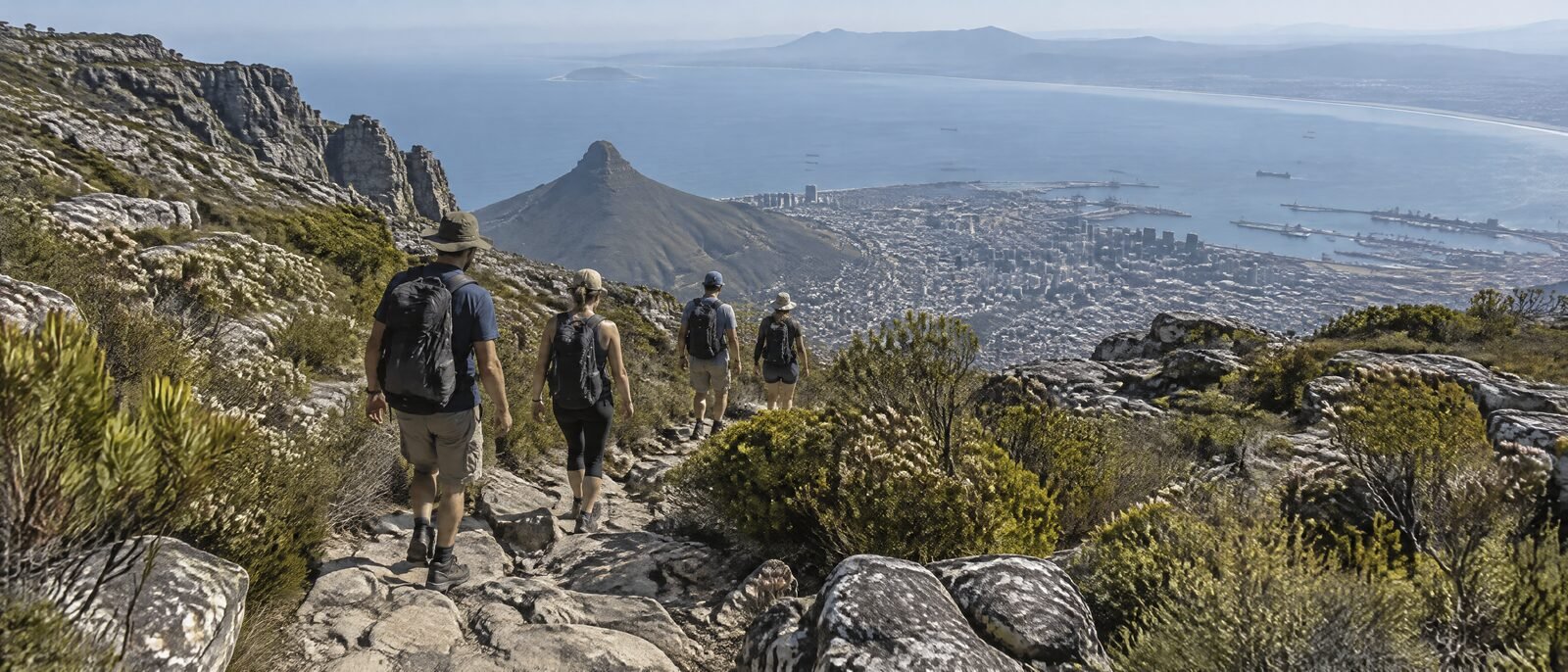
Nov–MaySANParks: take waterproofs even in midsummer, because the weather changes rapidly — and if caught out, stay together and stay in one place. Trails are strenuous and rescuers get regular calls, so start early, finish before dark, and check the cable car is running before relying on it to get down. The south-easter, the Cape Doctor, is what makes fires spread fast. Fire season runs roughly November to May, worst in February and March: the major fire of 23 February 2025 started in Newlands Ravine and reached the City Bowl side within days.
The sea, the seals and the paperwork
Read the flagAtlantic-side water sits in the low teens Celsius year-round; False Bay is warmer. People drown here every year in strong currents — swim between the red and yellow flags. Shark Spotters monitor Muizenberg, Fish Hoek, Caves and St James year-round: green means no sighting, white means a shark has been spotted and you leave the water, black means poor spotting conditions. Rabies has been detected in seals along the Cape Peninsula coastline — relevant at Hout Bay harbour, on Duiker Island trips and at Kalk Bay. If bitten, get immediate medical attention and notify the authorities.
Go anywhere. Come back.
Cape Town rewards planning more than almost anywhere. Advisories and park security notices change without notice — check what has moved, then run the pre-trip list once.