Go anywhere.
Come back.
Practical safety for people who actually travel — checklists, awareness habits and honest gear picks. No fear-mongering, no tactical cosplay, no telling you to stay home.
The work that happens at home
Almost everything that keeps a trip from going wrong is done before you leave. None of it takes long, and none of it costs much.
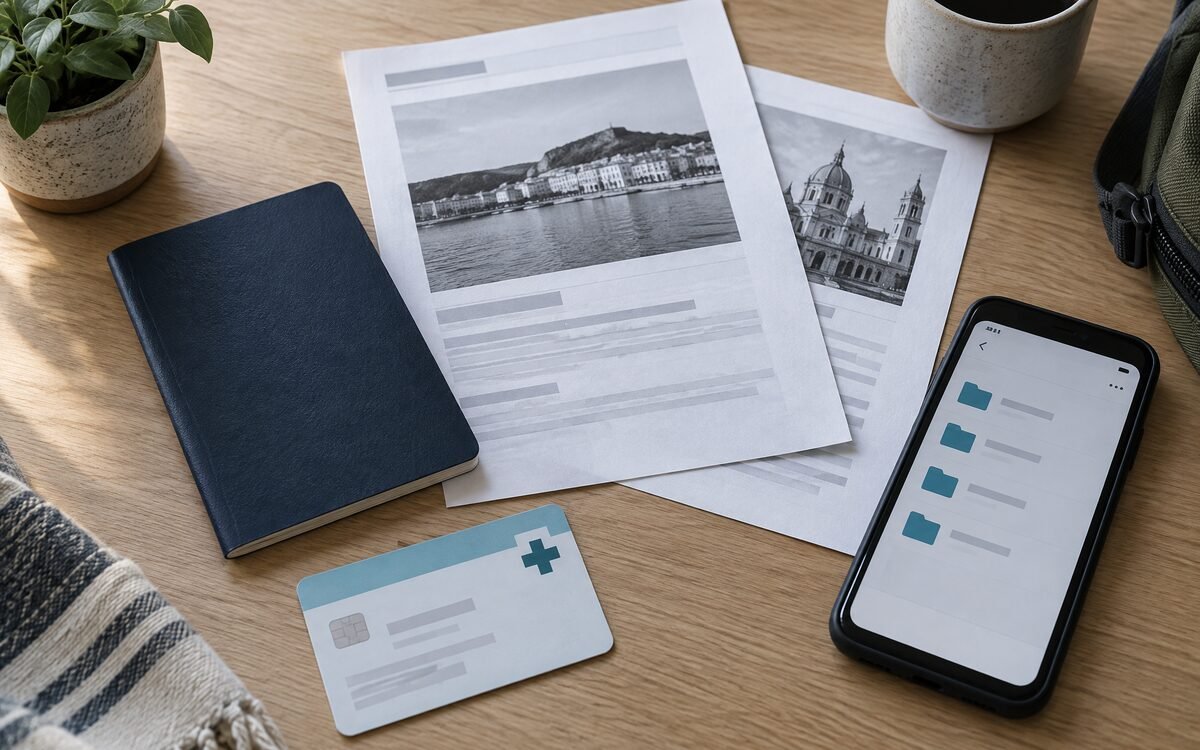
Documents, duplicated
Photos of your passport, visa, cards and insurance in offline storage plus one printed copy in a separate bag. Losing a wallet becomes an inconvenience instead of a crisis.
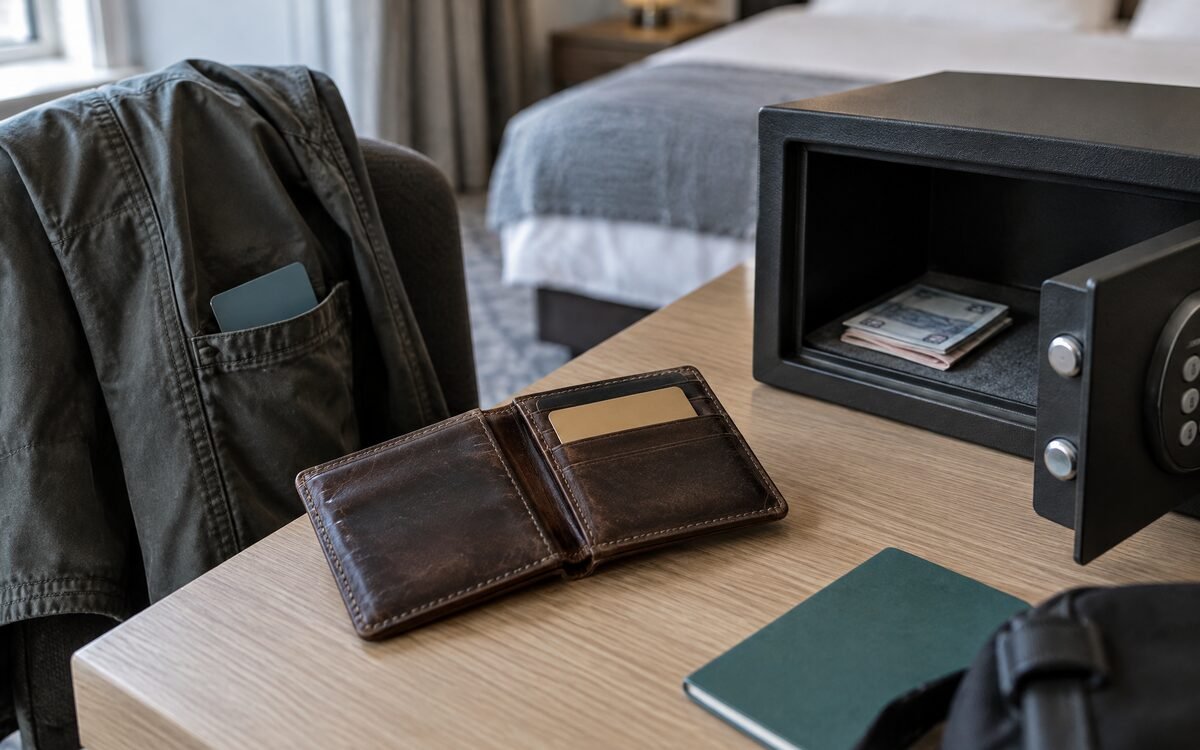
Money in three places
A card you carry, a card you leave at the accommodation, and some local cash split between them. Never let one pickpocket end the trip.
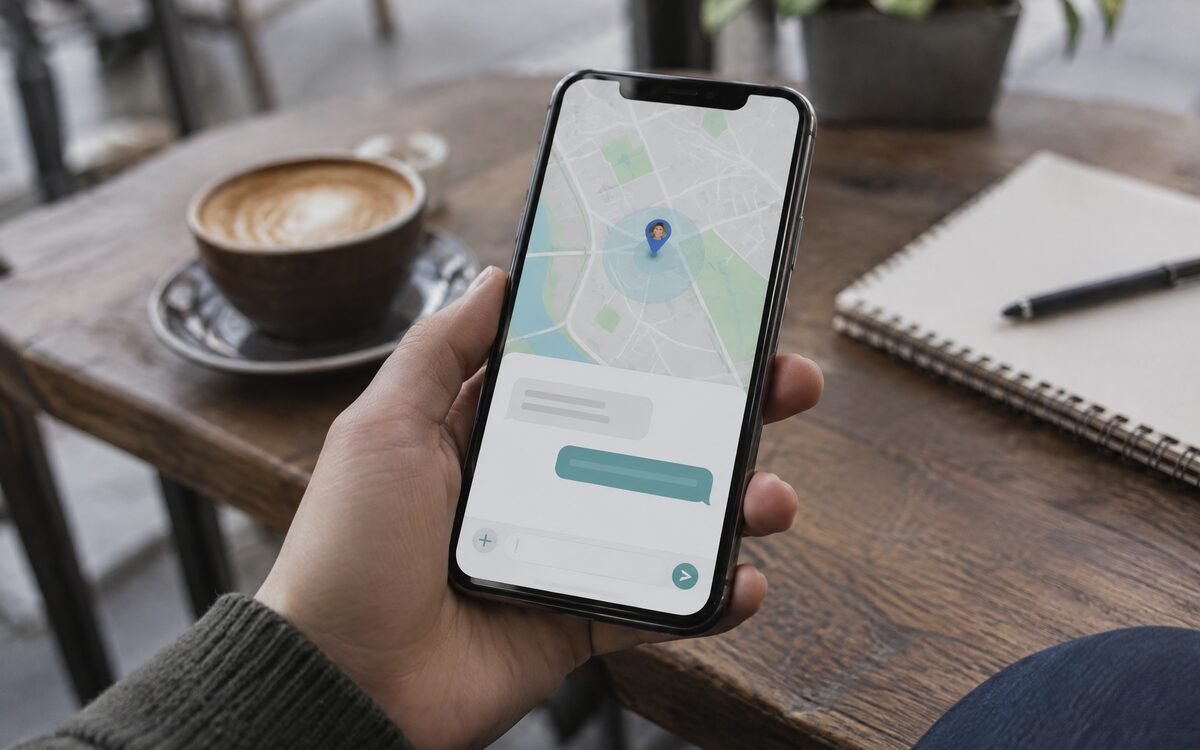
Someone knows where you are
Two people with your itinerary and check-in times you actually keep. Live location sharing while you're moving between cities.
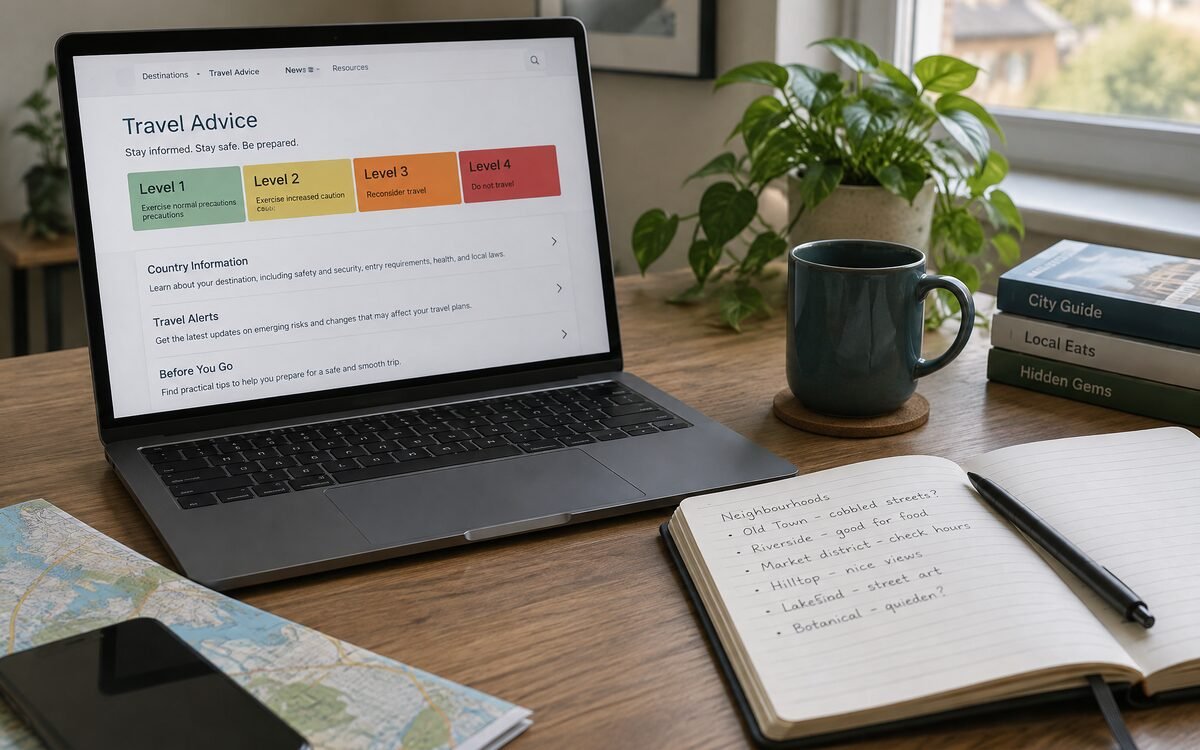
Read the real risk
Government advisories are blunt instruments. Pair them with recent forum posts and local news to find out what actually happens, and where.
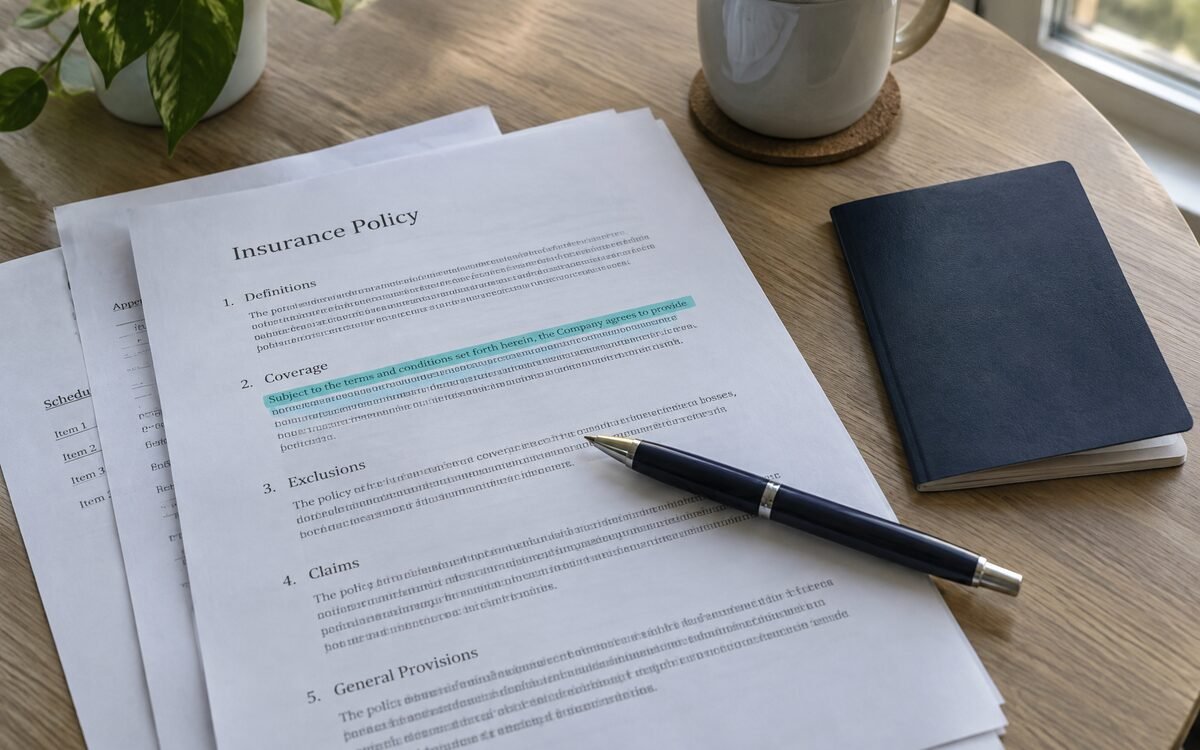
Insurance that covers you
Check it includes medical evacuation and whatever activity you're actually planning. Most policies quietly exclude the interesting parts.
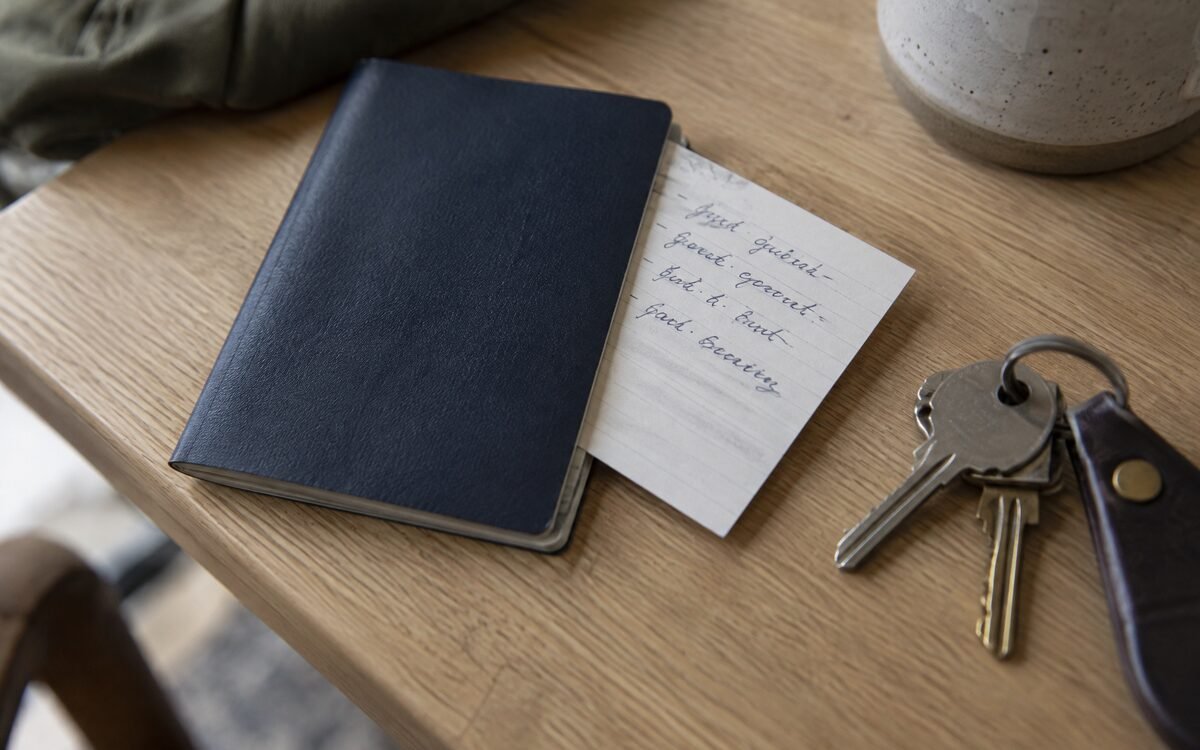
Arrival plan, written down
Know how you're getting from the airport before you land, at whatever hour you land. Improvising at 2am tired and disoriented is where things go wrong.
Paying attention is a skill, not a personality trait.
It isn't paranoia and it isn't scanning every room for exits. It's a handful of small habits — where you sit, when you look up from your phone, how you carry yourself walking into somewhere unfamiliar.
Most of it comes down to being a slightly harder target than the person next to you, and noticing trouble early enough to simply walk the other way.

What actually happens where
Honest, specific risk notes — the scams that are common, the areas worth avoiding after dark, and the parts of a place that are far calmer than the headlines suggest.

Brazil
One advisory, two very different cities. Rio's tourist beaches recorded zero homicides last quarter — the phone in your pocket is the real target.

Morocco
The medina isn't dangerous, it's persistent. A badge check and a healthy doubt about 'this street is closed' cover most of it.
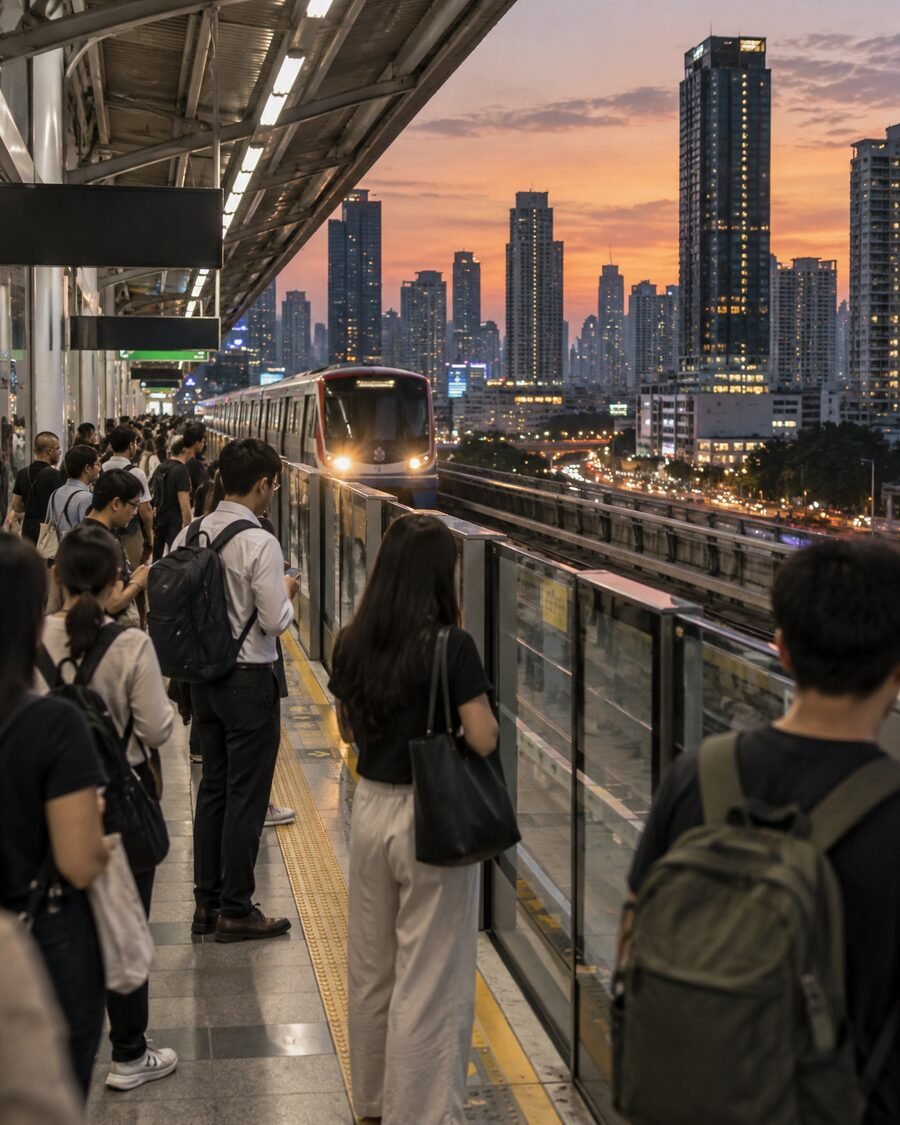
Thailand
Very low crime, very high road risk. The gem shop is a nuisance; the unlicensed scooter is what actually hurts people.
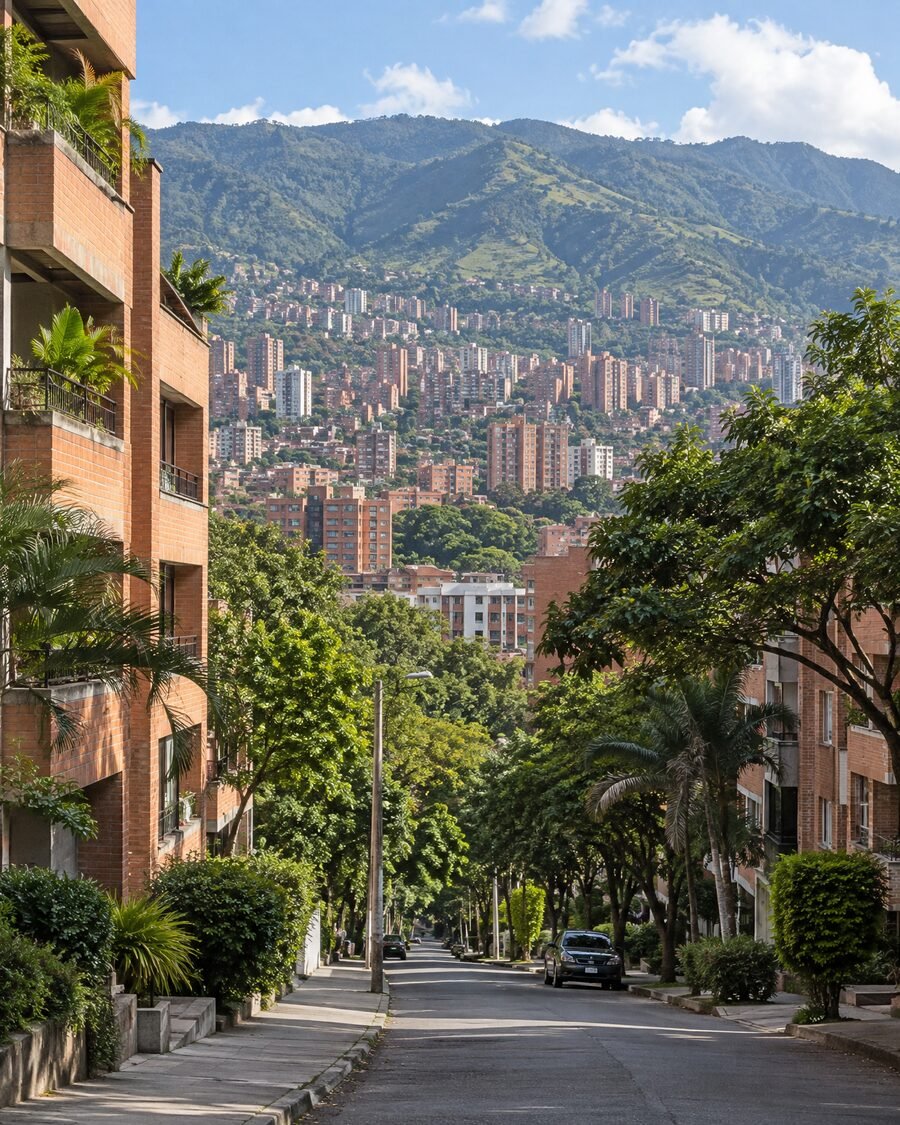
Colombia
The advisory is written about departments you will not visit. The real risk in Bogotá and Medellín is a drink, a street taxi, and one rule about resisting.
What changed, and where
Advisory levels move without notice, and almost nobody checks them until the week they fly. These are the six most recent changes in the official US State Department feed, pulled live rather than copied.
One safety brief a week.
A short, practical email — one habit, one gear pick, one destination note. Plus the full pre-trip checklist as a PDF when you join.