Geography sets the map.
Behaviour sets the risk.
The four departments the United States tells you not to enter — Arauca, Cauca, Valle del Cauca and Norte de Santander — contain none of the places you are going. Bogotá, Medellín, Cartagena and the Coffee Region sit outside all of them. Meanwhile El Poblado, which recorded zero homicides in the first five months of 2026, is also where visitors are most often robbed — and the robbery usually starts with a drink. The map tells you where not to drive. Everything else is a decision you make.
The advisory, in plain words
Level 3 nationally, Level 4 in four departments, none of which you are visiting.
US — Level 3, reconsider travel
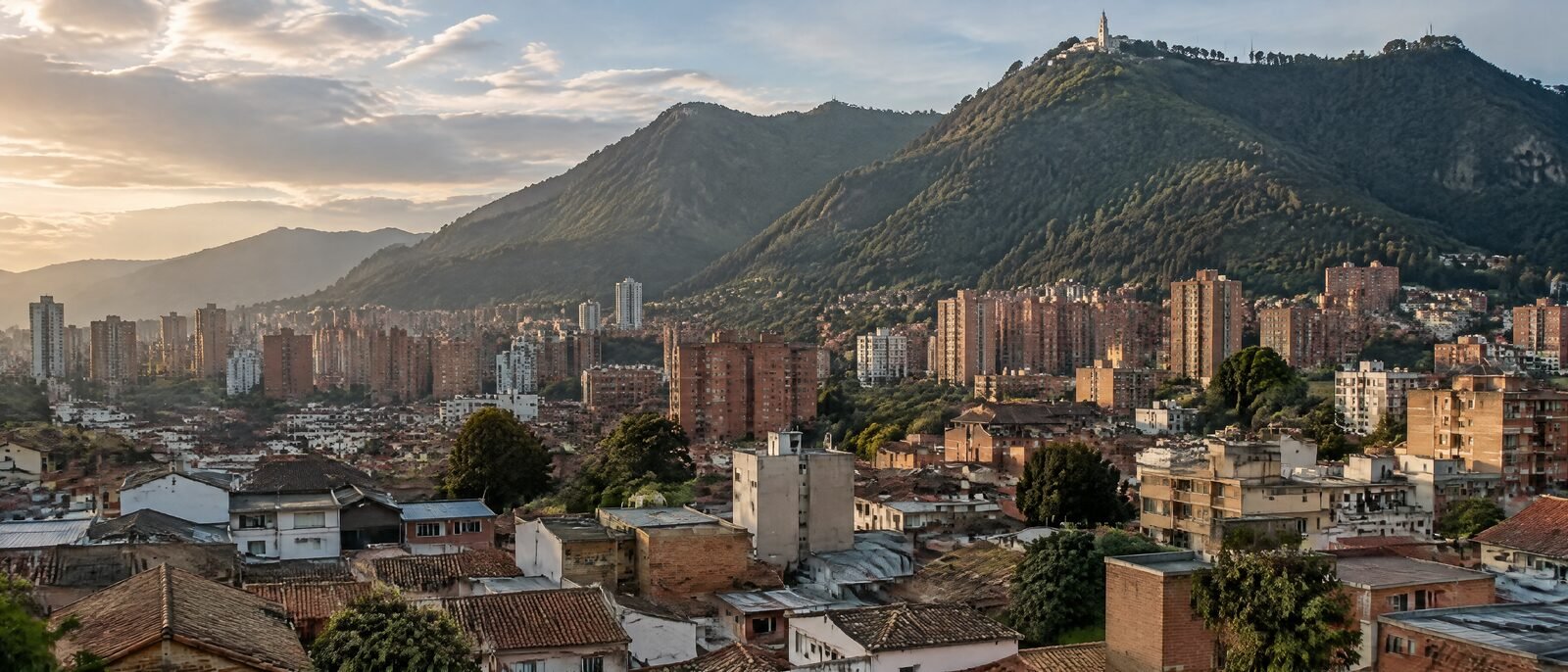
31 Mar 2026“Reconsider travel to Colombia due to crime, terrorism, civil unrest, kidnapping, and natural disasters.” The level did not move in March 2026; what changed was a natural-disaster indicator and one new Level 4 entry, Valle del Cauca, excluding Cali. The Do Not Travel list: Arauca, Cauca (excluding Popayán), Valle del Cauca (excluding Cali), Norte de Santander, and within 10km of the Venezuelan border. Bogotá, Medellín, Cartagena and the Coffee Region are Level 3, and none sits inside a Level 4 department (travel.state.gov, read 20 August 2026).
UK — wider zones, and a live earthquake notice
18 Aug 2026The FCDO advises against all but essential travel to parts of Colombia, on a broader map: all of Norte de Santander including Cúcuta, all of Arauca, the border strip, most of Chocó, western Valle del Cauca including Buenaventura, Urabá and Bajo Cauca in Antioquia, and all of Cauca except Popayán. None of the four main tourist cities falls in any exclusion zone (gov.uk, still current at 19 August 2026, read 20 August 2026).
The line that matters most
Put this above the neighbourhood maps further down.
Do not resist, and do not give papaya
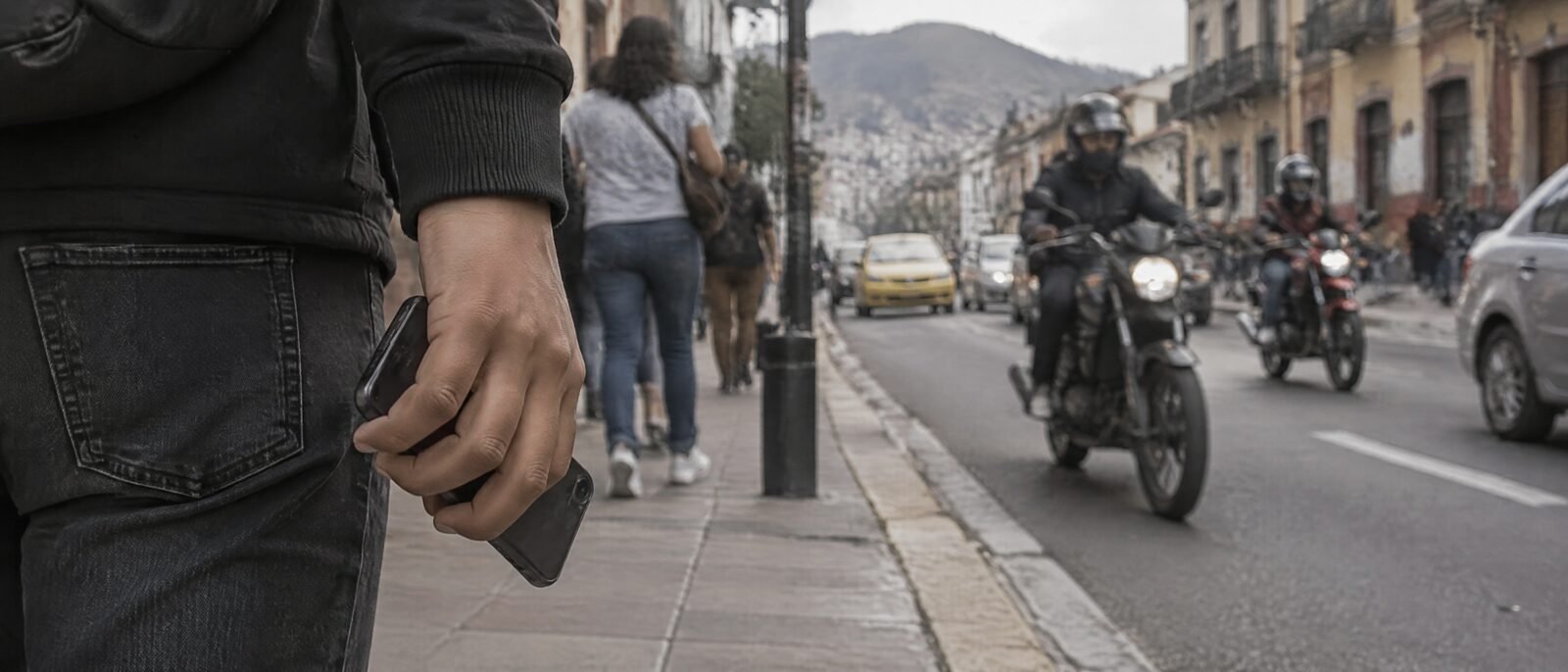
Every source agreesThe US Embassy puts it in bold: “Do not physically resist any robbery attempt. Victims of crime who resist robbery are more likely to be killed” (US Embassy, 10 January 2024, read 20 August 2026). Of roughly fifty foreigners murdered in Medellín over a decade, most were in crime themselves or resisted — the named case a Japanese tourist killed in Laureles on his first day, struggling over his phone (Medellín Advisors, read 20 August 2026).
What actually happens
Four patterns account for nearly everything that reaches a visitor.
What is actually in the glass
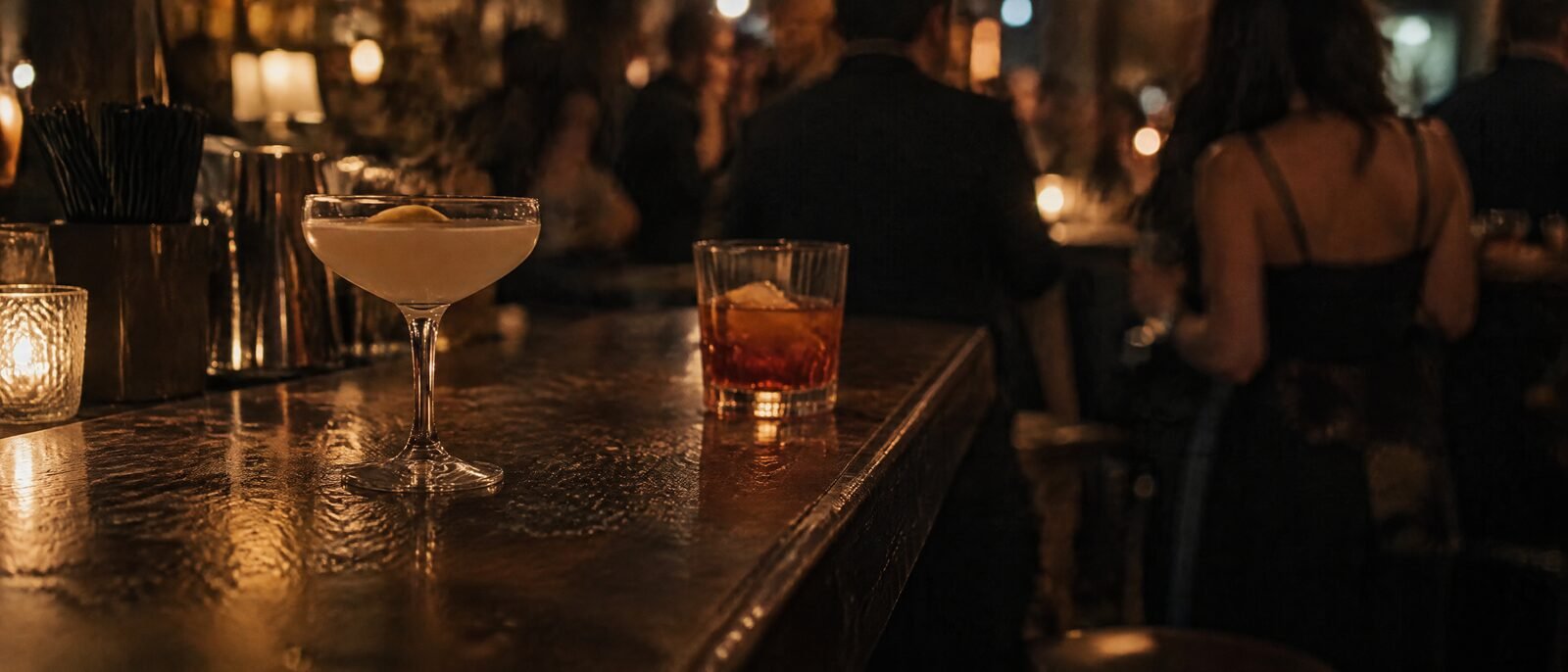
12.5%Most “scopolamine” is not scopolamine. A Colombian Neurological Association study of 860 patients admitted for suspected scopolamine poisoning found benzodiazepines in around 43.7% of cases and scopolamine in only 12.5%: the plant grows near Bogotá, but processing it is expensive and Xanax is cheap (The Bogotá Post, read 20 August 2026). The embassy names benzodiazepines and one zolpidem case, and says it is administered “in liquid, spray, or powder form in foods and beverages”.
Dating-app robbery, and the passport tell
Eight deathsOn 10 January 2024 the embassy said it was “aware of eight suspicious deaths of private U.S. citizens in Medellin between November 1 and December 31, 2023”, several involving dating apps. It cites the city’s Tourism Observatory: thefts against foreign visitors, excluding Venezuelans, rose 200% in the third trimester of 2023, violent deaths 29% (US Embassy, read 20 August 2026). That is one quarter, one victim class, one city — not “crime in Colombia up 200%”.
Paseo millonario
Calle 85A taxi taken off the street diverts, collects accomplices and drives you between cash machines until the daily limits are gone. The FCDO says the crews pose as drivers and select victims “from around ATMs and often at night”, and that those who resisted have been killed (gov.uk, read 20 August 2026). Since 2025 it is charged as extortive kidnapping, carrying up to 42 years. The named Bogotá hotspot is the taxi rank on Calle 85 in Chapinero.
Fleteo, cash machines and fake police
Business hoursFleteo is being watched at a bank, followed and robbed, usually by two men on a motorbike. Bogotá runs 19 “Reacciones Bancarias”, rapid-response deployments at bank clusters, to prevent exactly this (bogota.gov.co, read 20 August 2026). The State Department’s rule is one line: “Avoid ATMs located on the street.” The FCDO adds the timing: business hours, inside a bank or shopping centre.
Where you’ll be
The difficult ground is next to the sightseeing ground, and nothing marks the line.
Bogotá: the direction you walk
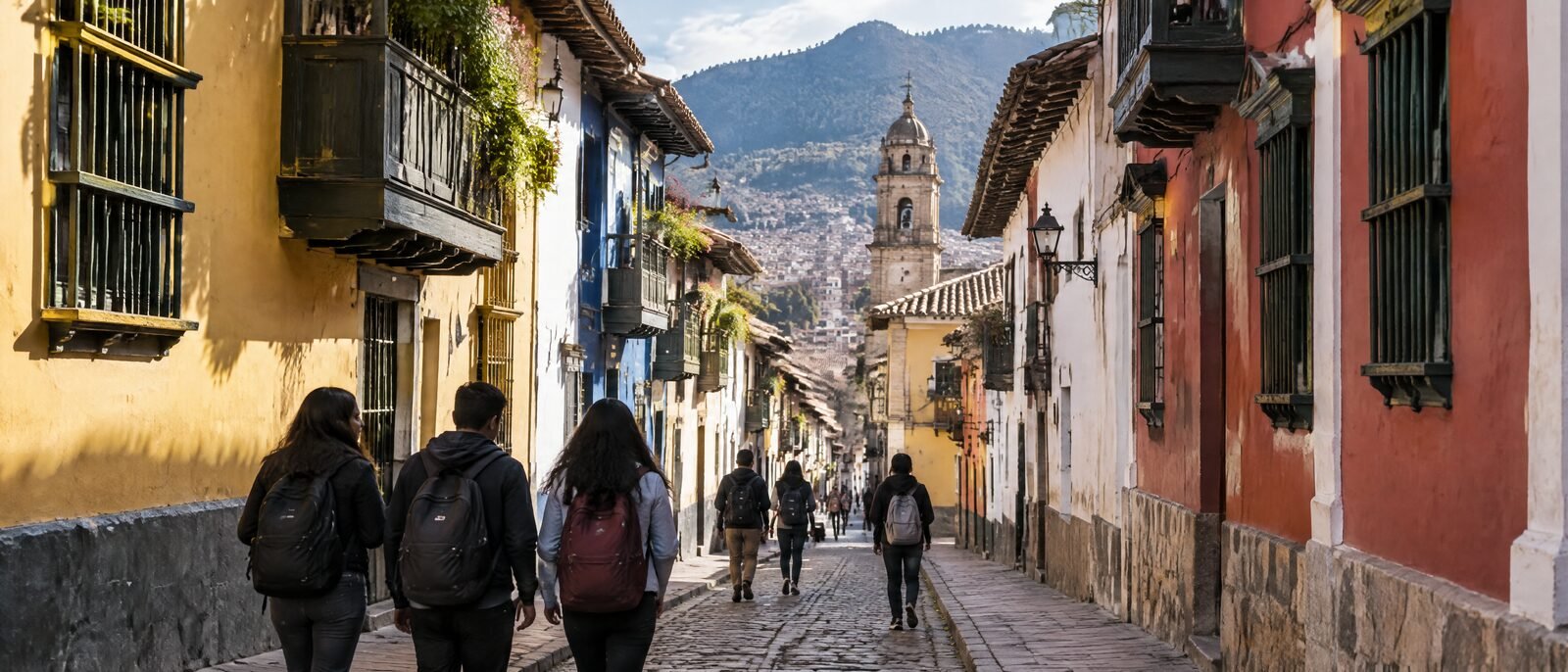
North and eastLa Candelaria is the colonial old town and the only Bogotá neighbourhood the FCDO names: “British nationals have been robbed at gunpoint in the Candelaria area” (gov.uk, read 20 August 2026). In daylight, with police posts and students about, it is fine. It borders Santa Fe and Los Mártires directly — ten minutes west or south-west puts you in the streets of the former Bronx drug market and Voto Nacional. There is no wall and no sign. Walk north and east, never west or south.
Medellín: zero homicides, plenty of robbery
El PobladoYear to date at 6 June 2026: La Candelaria, the centre, 22 homicides; Aranjuez 13; Villa Hermosa 9; San Cristóbal 8. El Poblado and Altavista: zero (El Colombiano, read 20 August 2026). Yet El Poblado and Laureles sit near the top of the robbery table, third and second citywide behind El Centro — 2019 figures updated in July 2025, so directional. Parque Lleras is the sharp end: three blocks holding the nightlife, the sex trade, the drug market and the drugging-robbery risk.
Comuna 13, and Cartagena
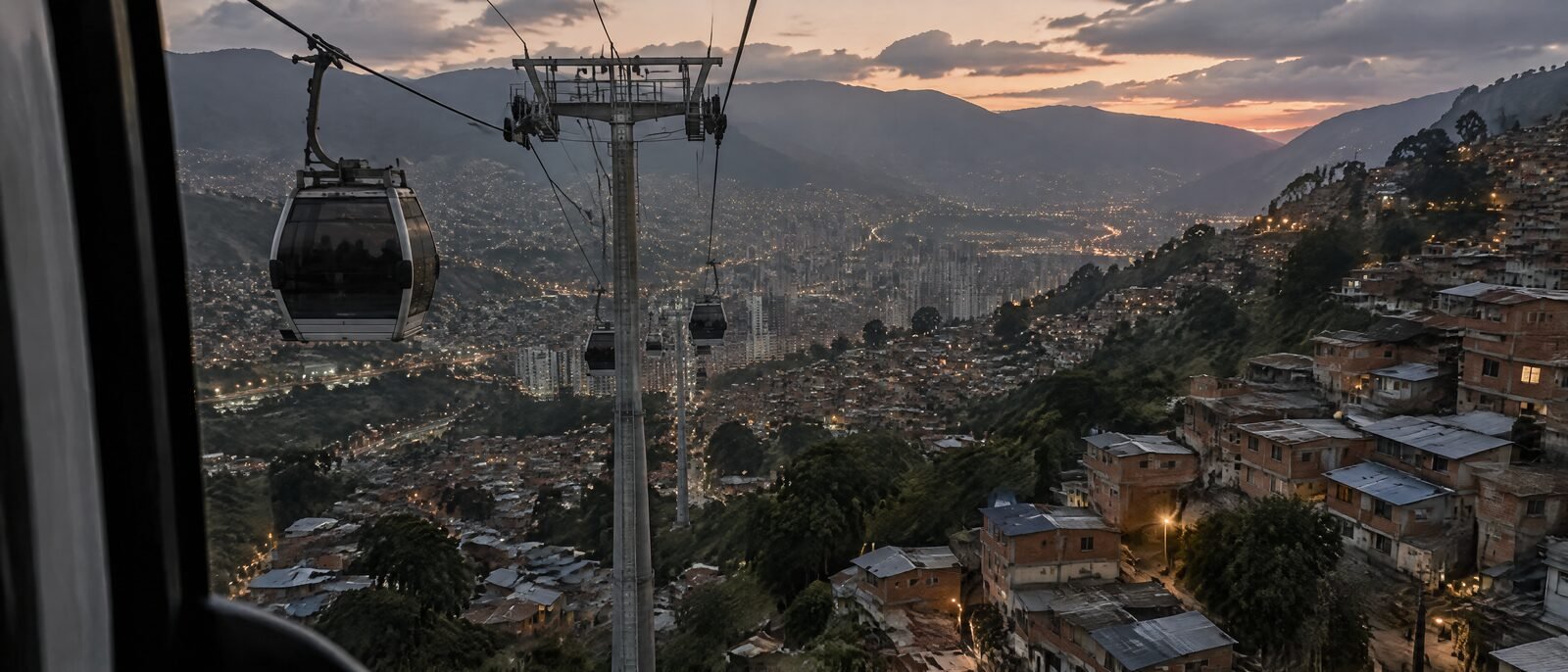
Off the hill by duskComuna 13 takes hundreds of walking-tour visitors a day. It is not among Medellín’s top four comunas for homicide in 2026, and San Javier recorded the city’s largest fall in personal-injury offences in 2025, down 44% (El Tiempo, read 20 August 2026). The caveat is geometry and time, not the barrio: go in the morning, stay on the escalator corridor, book a guide from the barrio, be off the hill by dusk.
Getting around
One rule outranks all the others.
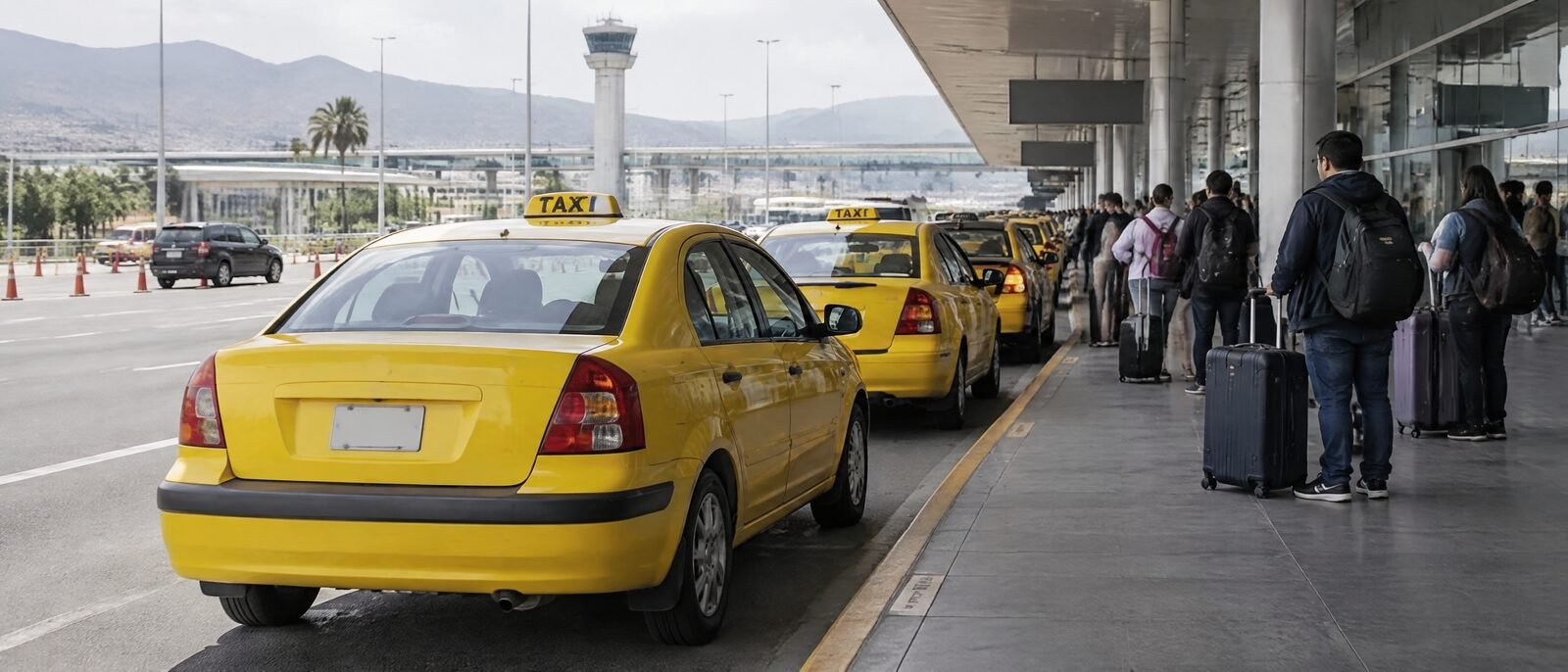
Never hail a taxi off the street
The one hard ruleThe State Department: US government employees “are prohibited from hailing taxis on the street … U.S. citizens have been killed during robberies while using taxis hailed off the street” (travel.state.gov, read 20 August 2026). Uber, DiDi and Cabify are unregulated but everywhere; drivers may ask you to sit up front and look like a friend. The FCDO endorses app booking anyway. The benefit is the audit trail, not the vehicle.
The two airport transfers
Desk, slip, plateBogotá El Dorado allows only authorised taxis to pick up at its terminals, and they are “yellow with white licence plates and plate numbers on doors and roof” (gov.uk, read 20 August 2026). Use the desk inside the terminal, take the slip, match the plate. At Medellín José María Córdova, 45 minutes east at Rionegro, touts walk arrivals to unmarked cars; the legitimate rank is the white-and-yellow line on the first level outside, at a government-set flat rate. Read the posted rate — the 110,000-peso figure circulating from 2024 is commercial and will have moved.
TransMilenio and the Medellín Metro are opposites
Metro yes, BRT noBogotá’s bus rapid transit has a bad theft record: reported station thefts rose from 1,891 in 2024 to 3,600 in 2025, and January to March 2026 produced 3,372 reports, about 37 a day. A student was stabbed to death in a robbery at La Granja. Those figures come from search summaries we could not open at source, and rising reports are not automatically rising incidents — unconfirmed. Medellín’s Metro and Metrocable have the opposite reputation, on no official statistics.
Widely believed and wrong
One misdirects your fear, one insults a city, one blames the wrong cause of death.
“Scopolamine gets blown in your face”
Dr Joe Alexander, MD PhD FACC, a senior medical director at a global pharmaceutical company, on the puff of powder and the doped card: “If someone were to take tablets and pulverise them into a powder and blow it into your face, or if someone dipped a business card into a powdered or liquid preparation, I doubt that it would have much of an effect” — and it does not make people “follow suggestions or fall into a ‘zombie-like’ state” (The Bogotá Post, read 20 August 2026). It does cross skin, but patches need hours of contact. It still costs you: people fear a stranger with flyers and ignore the real vector. Fear the soup, not the business card.
“Medellín is more dangerous than Bogotá”
Wrong on homicide, and for years. Per Medellín’s own SISC, 6 June 2026: Medellín 9.85 per 100,000, Bogotá 14.8, Colombia around 25.9 (El Colombiano, read 20 August 2026). In 1991 Medellín recorded 6,809 murders, 18.6 a day; May 2026 recorded fourteen, with 22 days on which nobody was killed. Two caveats: the count rose to 325 in 2025 before reversing, and analysts credit part of the fall to truces between gangs rather than policing. Medellín is less likely to kill you and more likely to rob you. Bogotá is the reverse.
“Foreigners in Medellín are being murdered”
Mostly they are not. In 2024, 61 foreign nationals died in Medellín’s metro area; 29 were violent deaths, a category that includes suicides and accidents. By 11 April 2025, seventeen had died in the Valle de Aburrá — two ruled suicides, one from complications during plastic surgery, and none officially confirmed as homicide (ColombiaOne, read 20 August 2026). Officials say the cases that go wrong are “almost always related to drugs or prostitution” — and cosmetic surgery is a documented cause of foreign-visitor death here.
If something happens
Colombia does not use 911.
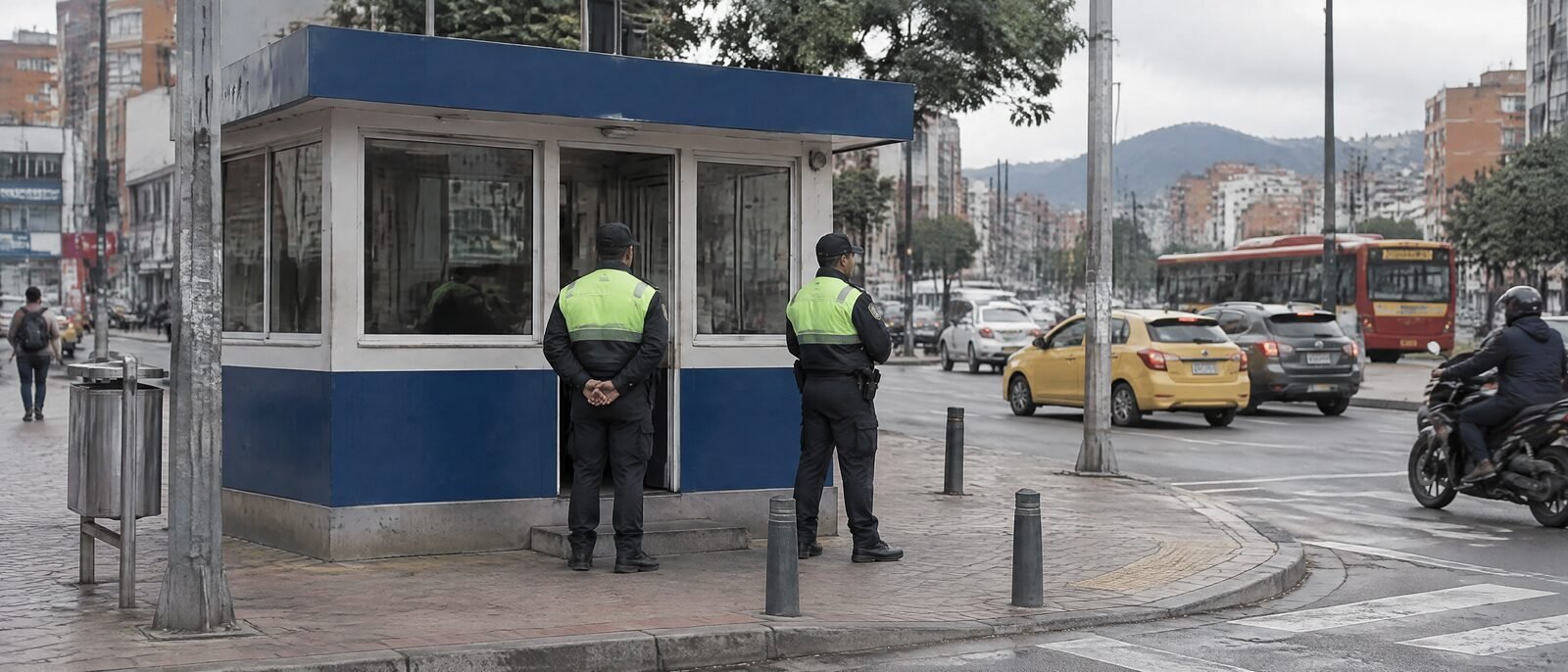
The numbers, with confidence levels
123123 is the national emergency number for police, ambulance and fire, confirmed by the State Department (“Dial 123 for all emergencies in Colombia”), the FCDO and the city of Bogotá. 165 is GAULA, the free 24/7 anti-kidnapping and anti-extortion line. 141 is child protection, 155 gender-based violence (*155 from a mobile). A Bogotá Tourist Police number of +57 601 337 4413 circulates; we found it on one source only, so treat it as unconfirmed and dial 123 first (numbers read 20 August 2026 at travel.state.gov and gov.uk).
US Embassy Bogotá, and the paperwork
+57 601 275 2000Calle 24 Bis No. 48-50, Bogotá D.C. Main line +57 601 508 8165. After hours +57 601 275 2000, then press 0 — the constant across every version of the page — while a second, +57 601 275 4021, appears further down the same page. Save both (travel.state.gov, read 20 August 2026). UK nationals: the FCDO emergency line is +44 1908 516666.
Health and environment
A live yellow fever situation, and one cup of tea that can cost you a job.
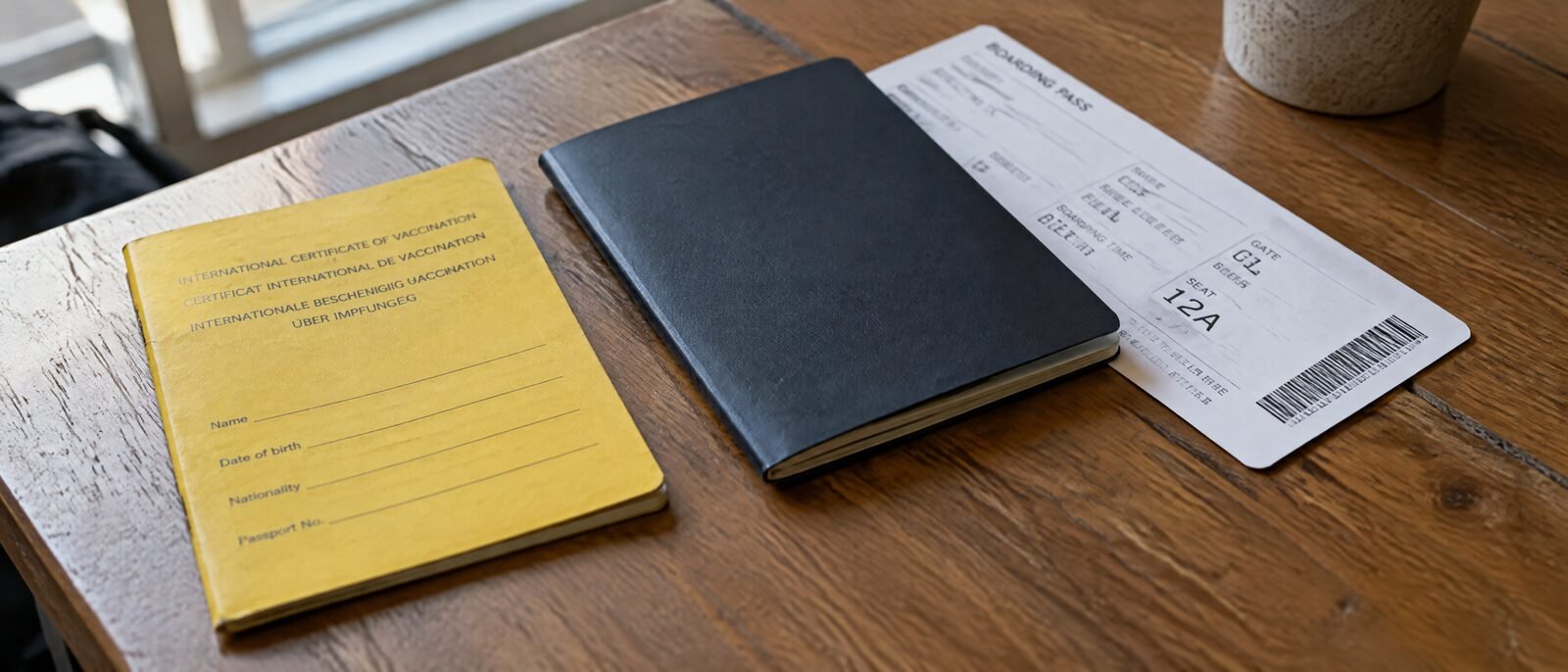
Yellow fever, still moving
Ten days outColombia declared a national health emergency over yellow fever in April 2025, after 34 deaths among 74 confirmed cases that year to date (CNN, read 20 August 2026). The CDC keeps a Level 2 “Practice Enhanced Precautions” notice covering Colombia: “travelers to these newly affected areas are now recommended to get vaccinated”, at least ten days before travel (CDC, read 20 August 2026; the page carried no update date).
Water, coca tea and the bill
4.14 mg a cupOn water the FCDO is clear: “Tap water is safe to drink only in Bogotá.” Drink Bogotá’s as locals do; bottled on the coast. Coca tea is the sleeper problem — in a controlled study every participant exceeded the 300 ng/ml benzoylecgonine threshold two hours after one cup, detectable for at least 20 hours, from an average 4.14 mg of cocaine per cup (PubMed, read 20 August 2026). If you face workplace drug testing, skip the mate de coca.
Go anywhere. Come back.
The planning is simple: stay out of four departments, never hail a taxi, don’t resist, and be careful who hands you a drink. Advisories, airport closures and health rules change without notice — check what has moved before you fly.
More cities on the destinations index, the habits in awareness, the kit in gear, and changes in the newsletter.